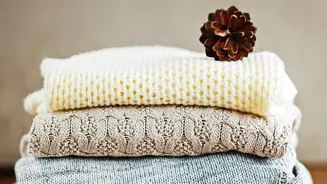






Nothing beats the cosy comfort of a woollen sweater on a chilly day. But what happens when that warmth is ruined by a persistent, distracting itch? The culprit might not be the wool itself, but rather what is left behind in the wash.
The Unseen Irritant in Your Clothes
That annoying itch
you feel, especially where clothes fit snugly, could be a mild form of contact dermatitis. This skin irritation is often caused by chemical residue left on fabric fibres after a wash cycle. Woollens, with their dense and absorbent nature, are particularly good at trapping these microscopic particles. When you use too much detergent or if your machine's rinse cycle isn't thorough enough, ingredients like surfactants, synthetic fragrances, and optical brighteners don't fully wash out. Instead, they stay embedded in the fabric. As you wear the garment, these chemicals are held directly against your skin, leading to redness, dryness, and that all-too-familiar itch, especially for those with sensitive skin or conditions like eczema.
Is It the Wool or the Wash?
While detergent residue is a significant factor, it is also true that wool itself can be prickly. This sensation is caused by the physical properties of the wool fibres. Coarser, thicker fibres are less flexible and can poke at nerve endings in your skin, which your brain interprets as an itch. This is purely a mechanical irritation, unlike the chemical reaction from detergent residue. Finer wools like Merino have fibres so thin they simply bend when they touch your skin, which is why they feel much softer. So, if a new sweater is itchy from the moment you put it on, it could be the 'prickle factor' of the wool. If a once-soft favourite becomes itchy over time, leftover detergent is a more likely cause.
How to Wash Woollens Correctly
Proper washing is your best defence against both residue buildup and fibre damage. First, always opt for cold water and a gentle, wool-specific cycle on your washing machine. Better yet, hand-wash your most delicate items. Use only a small amount of a suitable detergent—more soap does not mean cleaner clothes. In fact, excess suds are the primary cause of residue. To ensure all the soap is gone, add an extra rinse cycle. A splash of white distilled vinegar in the final rinse can also help dissolve any lingering detergent buildup and soften the fibres naturally. When the wash is done, never wring or twist the garment. Gently press out excess water and lay it flat on a clean towel to dry, away from direct sunlight or heat, which can make fibres coarse.
Choosing the Right Detergent
The detergent you choose makes all the difference. Standard laundry detergents are often too harsh for protein-based fibres like wool and can strip their natural oils, leaving them rough. Look for a pH-neutral, liquid detergent specifically formulated for delicates, wool, or silk. These gentle formulas are typically free of the ingredients most likely to cause irritation, such as enzymes, phosphates, and bleach. Enzymes, while great for breaking down proteinstains, can also damage the protein structure of the wool itself. If you have sensitive skin, consider a fragrancefree option to eliminate another potential irritant. Brands designed for delicates are widely available and are a worthwhile investment for protecting your favourite winter wear.
Other Tricks for Softer Wool
If a sweater is still scratchy after a proper wash, a few other methods might help. Soaking the garment in cold water with a bit of hair conditioner for about 20 minutes can soften wool fibres, much like it does hair. Just be sure to rinse it out thoroughly. Some people find success with a surprising trick: placing a slightly damp sweater in a sealed bag and freezing it overnight. The cold temperature can help tighten the fibres and make their ends less likely to poke out. If all else fails and you love the sweater too much to give it up, wearing a thin, long‐sleeved cotton shirt underneath provides a simple but effective barrier between the wool and your skin.