


The Green Solution for Your Hybrid Space
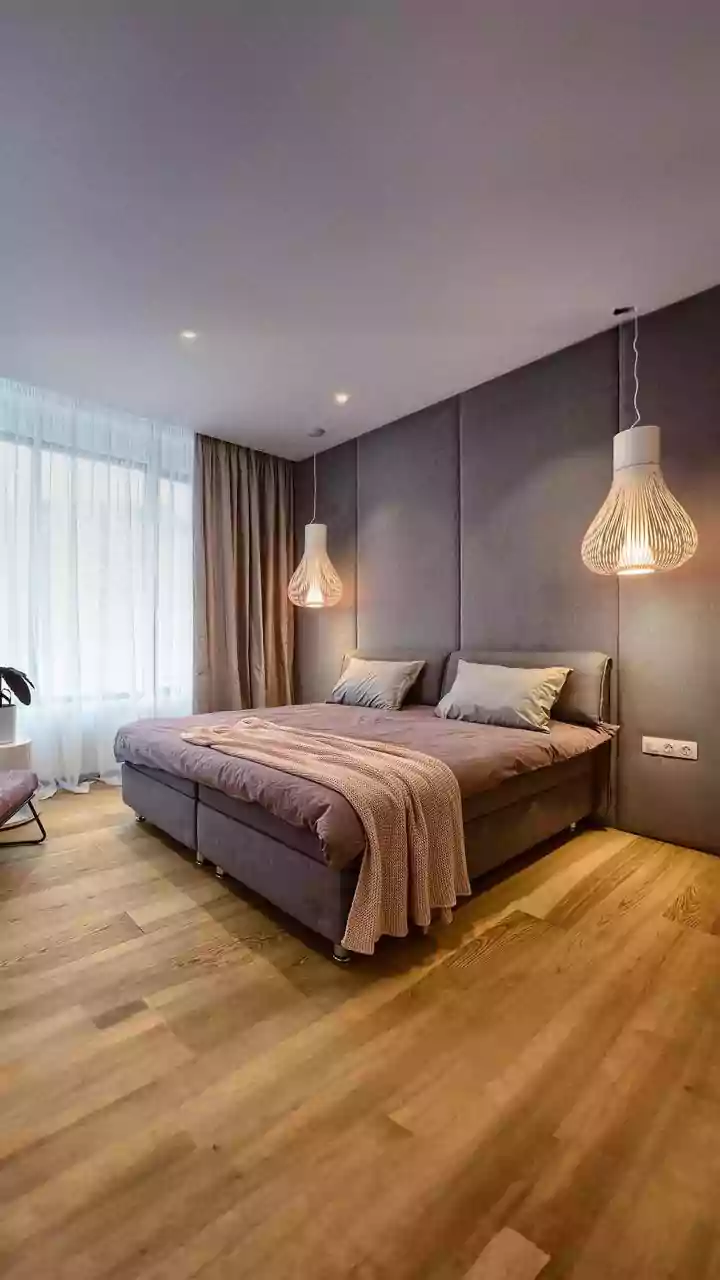
The line between a personal sanctuary and a professional hub has never been more blurred. Your bedroom, once a place solely for rest, may now host video calls, deadlines, and daily work stress. This new reality calls for simple strategies to make the
space more livable, healthier, and calmer. This is where houseplants come in. They are not just decorative items; they are living elements that can transform the feel of a room. For those who believe they lack a green thumb, the snake plant and pothos are the perfect starting points. They are renowned for their resilience and ability to thrive on relative neglect, making them ideal companions for a busy life.
Decoding 'Air-Purifying' Claims
The idea that houseplants can 'purify' indoor air largely comes from a 1989 NASA study which found certain plants could remove toxins like formaldehyde and benzene from small, sealed chambers. While snake plants and pothos were among the effective plants tested, it's important to have realistic expectations. A typical room has a much larger volume of air and more ventilation than a sealed lab container, so you would need a forest of plants to replicate those results. However, that doesn't mean they offer no benefits. They do contribute to the local air environment by absorbing carbon dioxide and releasing oxygen. Think of them not as powerful air purifiers, but as contributors to a healthier indoor ecosystem, with their primary benefits being ease of care, aesthetic beauty, and a boost to your mental well-being.
Meet the Snake Plant: The Resilient Night Owl
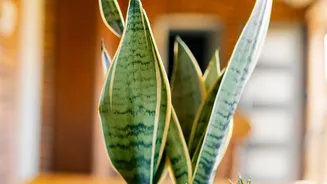
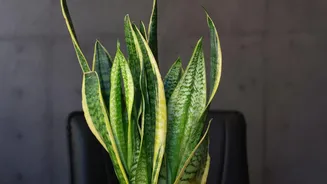
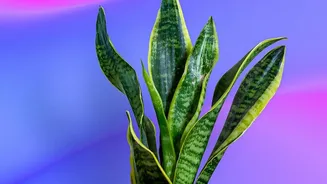
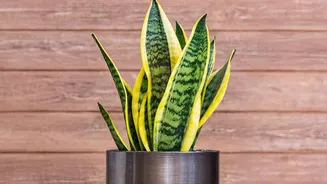
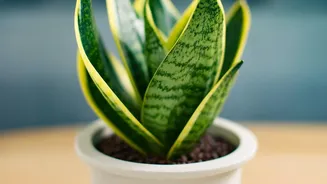
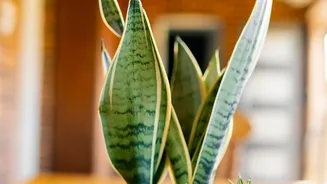
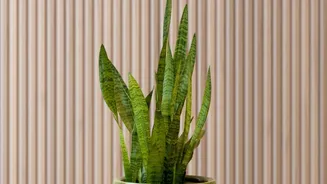
The snake plant (Dracaena trifasciata, formerly Sansevieria) is famous for its striking, upright leaves and near-indestructible nature. It's the perfect plant for beginners and busy people. One of its most unique qualities is that it performs CAM photosynthesis, meaning it releases oxygen at night, unlike most plants that do so during the day. This makes it an ideal plant for the bedroom, theoretically promoting better air quality while you sleep. Snake plants are incredibly drought-tolerant and prefer their soil to dry out completely between waterings—overwatering is their main enemy. They thrive in a wide range of light conditions, from low indirect light to brighter spots, although they grow faster with more light. Their vertical growth habit makes them perfect for tight corners or small desks where floor space is at a premium.
Discover the Pothos: The Forgiving Vine
Pothos (Epipremnum aureum), often called Devil's Ivy, is another low-maintenance favourite known for its beautiful, heart-shaped leaves and cascading vines. It's incredibly forgiving and will often 'tell' you when it needs water by slightly drooping its leaves. It prefers bright, indirect light but can easily tolerate lower light levels, though this might reduce the variegation in its leaves. Like the snake plant, it's best to let the top inch or two of soil dry out before watering again. Pothos is exceptionally versatile. You can let its vines trail down from a high shelf, hang it in a basket to create a curtain of green, or train it to climb up a small trellis on your desk, adding lushness without taking up much surface area.
A Note for Pet Owners
While these plants are wonderful additions to a home, it is crucial for pet owners to know that both snake plants and pothos are toxic to cats and dogs if ingested. The plants contain compounds that can cause mouth and stomach irritation, vomiting, and discomfort. If you have curious pets who like to chew on things, it is essential to place these plants well out of their reach—on high shelves, in hanging planters, or in rooms that your pets do not access. Alternatively, you might consider pet-safe plants like the spider plant or certain ferns.
Beyond Air Quality: Wellness and Focus
The benefits of having plants in your workspace extend far beyond any physical air filtration. The concept of biophilia suggests that humans have an innate tendency to connect with nature. Studies have shown that the presence of indoor plants can reduce stress, improve mood, and even boost concentration and productivity. In a space that serves for both work and rest, the simple act of caring for a plant and watching it grow can provide a welcome mental break. The green foliage offers a soft, natural focal point away from a computer screen, helping to reduce eye strain and create a more calming atmosphere.