




Answering the Monsoon's Call
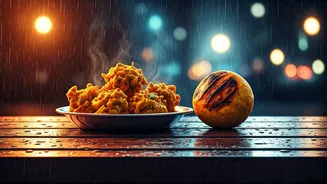
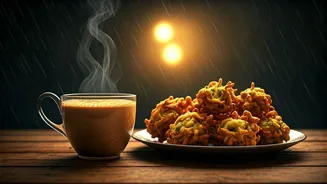
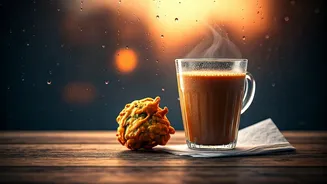
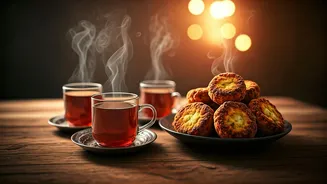
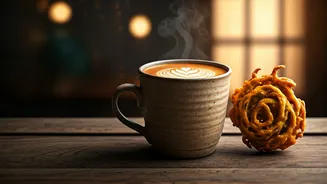
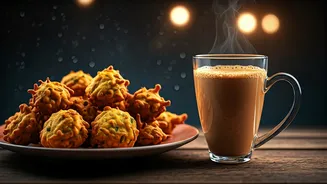
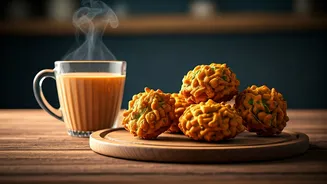
Let’s not be coy. The rainy-day duo that unites the nation is, of course, a steaming cup of masala chai and a plate piled high with hot, crispy pakoras. From a high-rise balcony in Mumbai to a rustic veranda in Kerala, this combination is less a snack
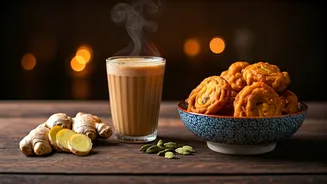
and more an unspoken cultural ritual. The moment grey clouds gather, it’s as if a collective, nationwide memo goes out. Kitchens spring to life with the sizzle of batter hitting hot oil and the fragrant aroma of ginger, cardamom, and cloves brewing in a pot. This isn't just about satisfying hunger; it's about answering the call of the season in the most delicious way possible.
The Comforting Contrast of Flavours
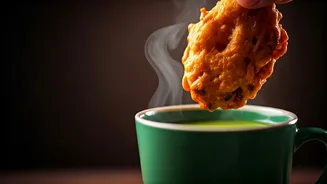
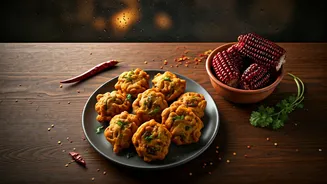
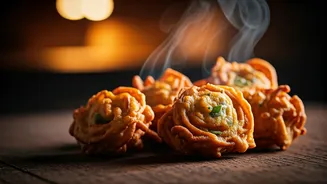
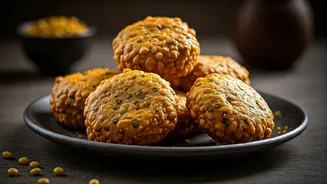
The magic of the chai-pakora combination lies in its perfect sensory contrast. Think about it: you have the pakora, a crispy, deep-fried fritter that can be savoury, spicy, and slightly oily. It’s a delightful assault on the senses—the crunch of the outer layer giving way to a soft, flavourful interior, whether it's onion, potato, spinach, or paneer. Then comes the chai. Not just any tea, but a robust, milky, and often sweet masala chai. Its spicy warmth cuts through the richness of the pakora, cleansing the palate and preparing you for the next bite. The heat of the tea contrasts with the cooler air, while the pakora provides a satisfying, hearty crunch. It's a culinary dialogue where each element makes the other better.
Why We Crave It
There’s a simple science to this craving. When the temperature drops and the weather turns damp, our bodies naturally seek warmth and energy. Fried foods and hot beverages deliver exactly that. Carbohydrates and fats in the pakoras provide a quick energy boost and a feeling of satisfaction, which can elevate our mood on an otherwise gloomy day. Psychologically, these are classic comfort foods. They are simple, unpretentious, and associated with feelings of being cared for. The act of preparing them—the chopping, the mixing, the frying—is itself a comforting ritual, filling the home with warmth and appetising smells that signal safety and pleasure.
A Vessel for Nostalgia
More than just taste and temperature, the chai-pakora duo is a powerful vessel for memory. For many Indians, the pairing is inextricably linked to childhood. It evokes memories of mothers or grandmothers bustling in the kitchen, the sound of rain drumming on the roof, and the whole family gathering together to share a simple, joyful meal. It’s the taste of cancelled school days, of huddling together while watching the downpour, of conversations and laughter shared over a plate of shared snacks. Every bite and every sip is infused with a potent dose of nostalgia, transporting us back to simpler times and reinforcing our connection to family and home.
An Infinitely Adaptable Tradition
Part of the duo’s enduring appeal is its incredible versatility. There is no single, definitive pakora. It changes from region to region, and even from household to household. In the north, you might find bread pakoras or paneer pakoras. In the west, onion (kanda) bhajis reign supreme. Down south, you might encounter banana or chilli fritters. The chai, too, can be customised. Some prefer it strong and spicy with extra ginger, while others like it sweet and milky with a hint of cardamom. This adaptability ensures that everyone has *their* perfect version of the pairing, making the tradition both universal and deeply personal. It’s a culinary canvas that invites improvisation, ensuring it never gets old.