



The Problem with Pesticides
Many well-intentioned gardeners reach for pesticides, herbicides, or fungicides to keep their plants looking pristine. Unfortunately, these chemicals are often indiscriminate. Even products marketed as 'safe' can be harmful to pollinators. Pesticides
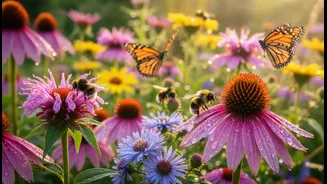
can kill beneficial insects on direct contact or through residue left on leaves and petals. Some systemic insecticides are absorbed by the plant, turning its nectar and pollen into a toxic meal that can impair a bee's memory, navigation, and reproductive abilities. Herbicides, used to kill weeds, destroy important food sources that pollinators rely on, especially in early spring. The widespread contamination of pollen and water with multiple pesticides puts enormous stress on already declining pollinator populations.
More Than Just a Pretty Flower
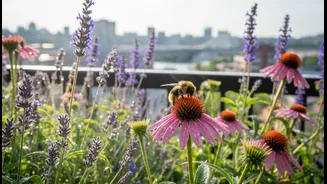
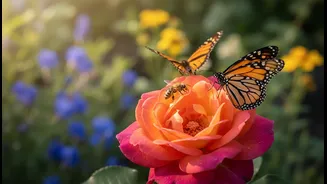
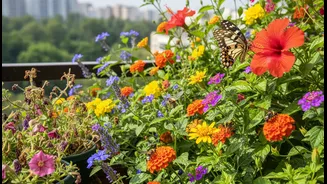
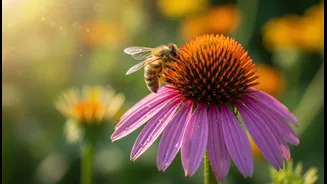
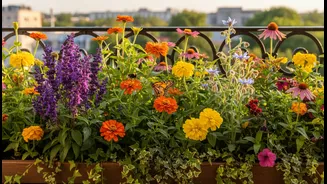
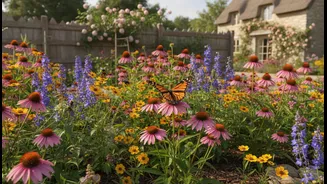
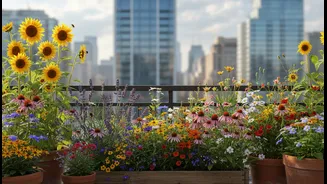
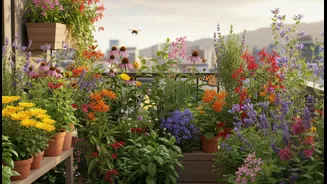
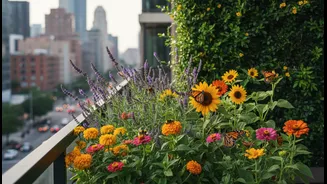
The second part of the equation is an abundance of flowers. This means more than just planting a single type of bloom. Pollinators, like people, need a varied diet. Different insects are attracted to different colours, shapes, and scents. A garden packed with a wide variety of plants creates a resilient ecosystem. It ensures that if one plant species struggles with a pest or disease, the entire garden doesn't fail. More importantly, diversity provides a continuous buffet. By choosing plants that bloom at different times from spring through autumn, you ensure there is always a food source available for emerging bees, migrating butterflies, and other vital insects.
Building a Pollinator-Friendly Buffet
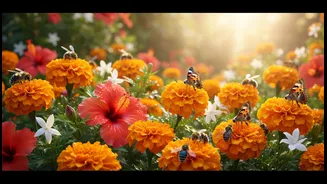
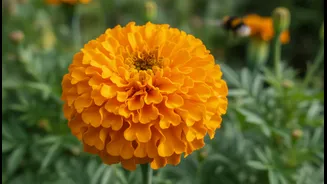
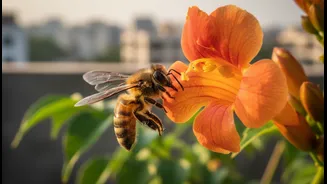
The best way to support local wildlife is to plant native flora. Native plants are adapted to the local climate and soil and have co-evolved with local pollinators, making them the perfect food source. In India, this could include flowers like Marigolds, Sunflowers, Tulsi (Holy Basil), Jasmine, and Hibiscus, all of which are powerful attractors for bees and butterflies. Lantana is a magnet for butterflies, while the flowers of the drumstick tree (moringa) and neem are also highly attractive to bees. Aim for variety in flower shape—from the open faces of sunflowers to the deep tubes of hibiscus—to cater to different pollinators with different tongue lengths. Plant in clusters rather than single specimens to create a more noticeable and inviting target for foraging insects.
Beyond the Bloom: Creating a Full Habitat
A truly great pollinator garden provides more than just food. It offers a complete habitat, which includes water and shelter. Pollinators need water for drinking and, in some cases, for nest building. A shallow dish of water with pebbles or marbles for insects to land on provides a safe drinking spot. Shelter is just as critical for nesting and overwintering. Many native bees are solitary and nest in the ground, so leaving a small patch of bare, undisturbed soil can provide a valuable home. Others nest in hollow stems or wood. You can help by leaving the stems of perennials standing through winter or creating a small brush pile in a corner of your garden.
Embracing a Chemical-Free Approach
Managing a garden without chemicals is not only possible but also promotes a healthier ecosystem. Start by building healthy soil with compost, as strong plants are better at resisting pests. Embrace companion planting; for instance, planting marigolds can deter pests from vegetables. Simple homemade sprays using neem oil, garlic, or soap can manage pests like aphids without harming pollinators if used carefully and not sprayed directly on flowers in bloom. Often, the most effective method is the simplest: hand-picking larger pests like caterpillars or using a strong jet of water to dislodge aphids. By tolerating a little imperfection, you create a garden that is truly alive.