

The Heartland: Uttar Pradesh's Devotional Delights
In Mathura and Vrindavan, the heart of Krishna's childhood tales, the offerings are deeply personal and rooted in legend. The quintessential prasad is Makhan Mishri, a simple blend of fresh white butter and rock sugar, honouring Krishna's famous love
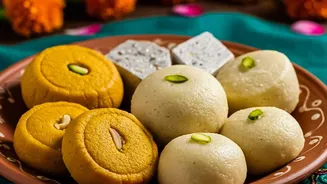
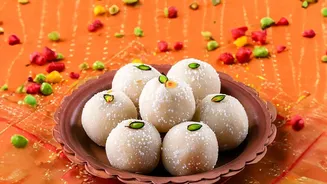
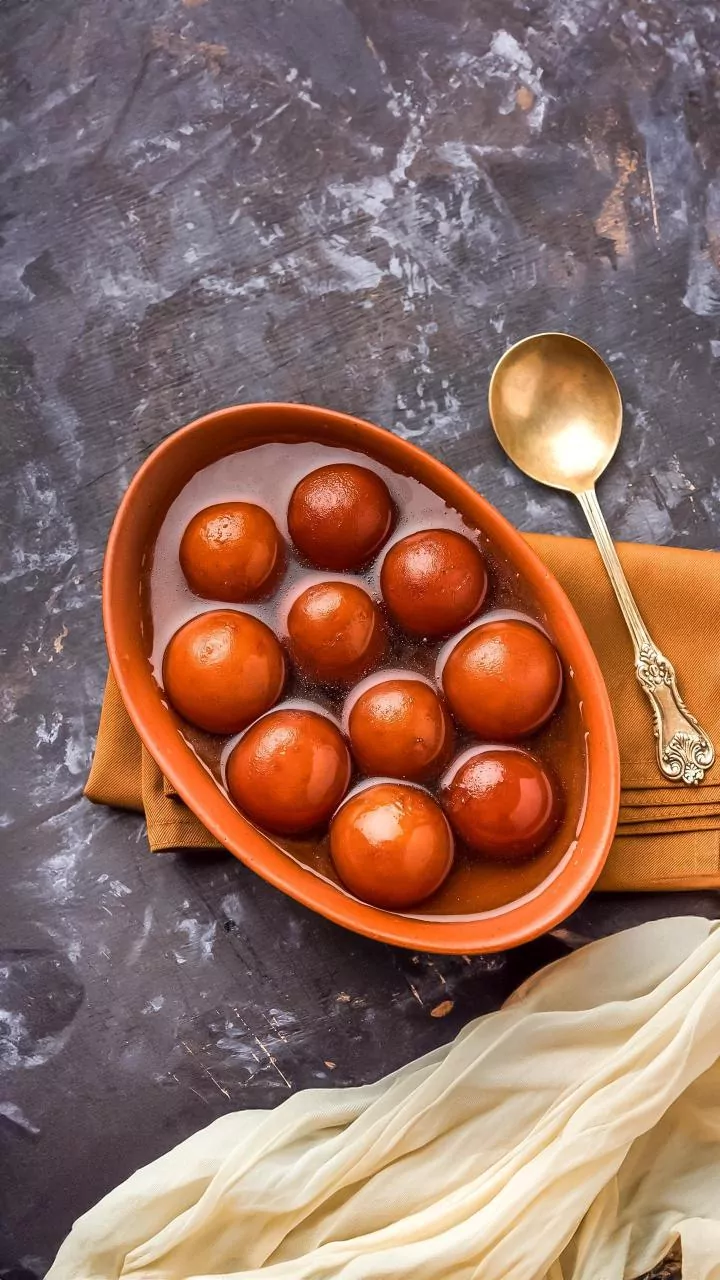
for butter. Another star is the Mathura Peda, a rich, caramelised sweet made by slowly roasting milk solids (khoya) with sugar. For those fasting, Dhaniya Panjiri is a staple. Unlike the usual wheat-based Panjiri, this version is made with roasted coriander seed powder, ghee, sugar, and nuts, making it a unique and fragrant offering.
Western Wonders: Maharashtra and Gujarat
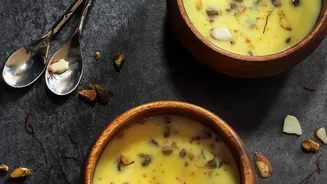
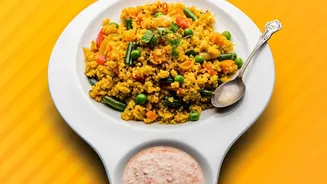
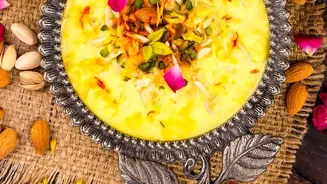
In Maharashtra, the festival is synonymous with Dahi Handi, and the food reflects this playful tradition. Gopalkala is a special dish prepared for the occasion. It’s a savoury mix of flattened rice (poha), yoghurt, cucumber, coconut, and mild spices. This dish is said to symbolise the meal Krishna shared with his friends, the cowherds, where everyone's food was mixed together. It is often the very delicacy filled into the Dahi Handi pot. In neighbouring Gujarat, the birthplace of Dwarka, you'll find an emphasis on sweets like Shrikhand, a creamy dessert made from strained yoghurt, alongside other milk-based preparations that are central to the Chappan Bhog (56 dishes) tradition.
Southern Spice and Savouries: Tamil Nadu and Kerala
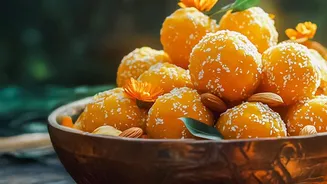
Down South, Janmashtami, often called Gokulashtami or Krishna Jayanthi, features a delightful array of crispy, savoury snacks. Preparations traditionally include Uppu Seedai (savoury rice flour balls) and Vella Seedai (their sweet jaggery counterpart). These small, crunchy delights are notoriously tricky to make but are a festive must-have. Other popular snacks include Kai Murukku, a hand-twisted chakli, and Thattai, a crispy flat disc made from rice flour. Sweets like Nei Appam, a ghee-fried dumpling of rice flour and jaggery, are also lovingly prepared as an offering. Many of these foods are made to be bite-sized, perfect for a young Krishna.
Eastern Flavours: West Bengal and Odisha
In West Bengal and Odisha, the festivities are marked by unique sweets. Taler Bora, or sweet fritters made from the pulp of the Asian palm fruit, is a seasonal delicacy prepared especially for Janmashtami. Malpua, a sweet pancake-like dessert fried in ghee and soaked in sugar syrup, is another festive favourite across Eastern India and is often served with a side of Rabri (thickened sweet milk). In Odisha, the food offered to Lord Jagannath (a form of Krishna) has its own distinct traditions, often including a version of Kheer or Payesh, a sweet rice pudding that is a staple in most Indian festivals.
The Universal Offering: The Chappan Bhog
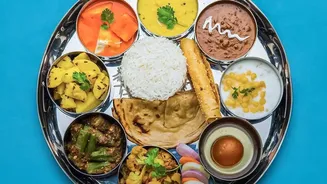
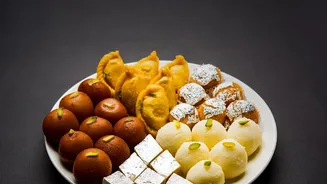
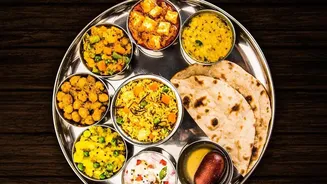
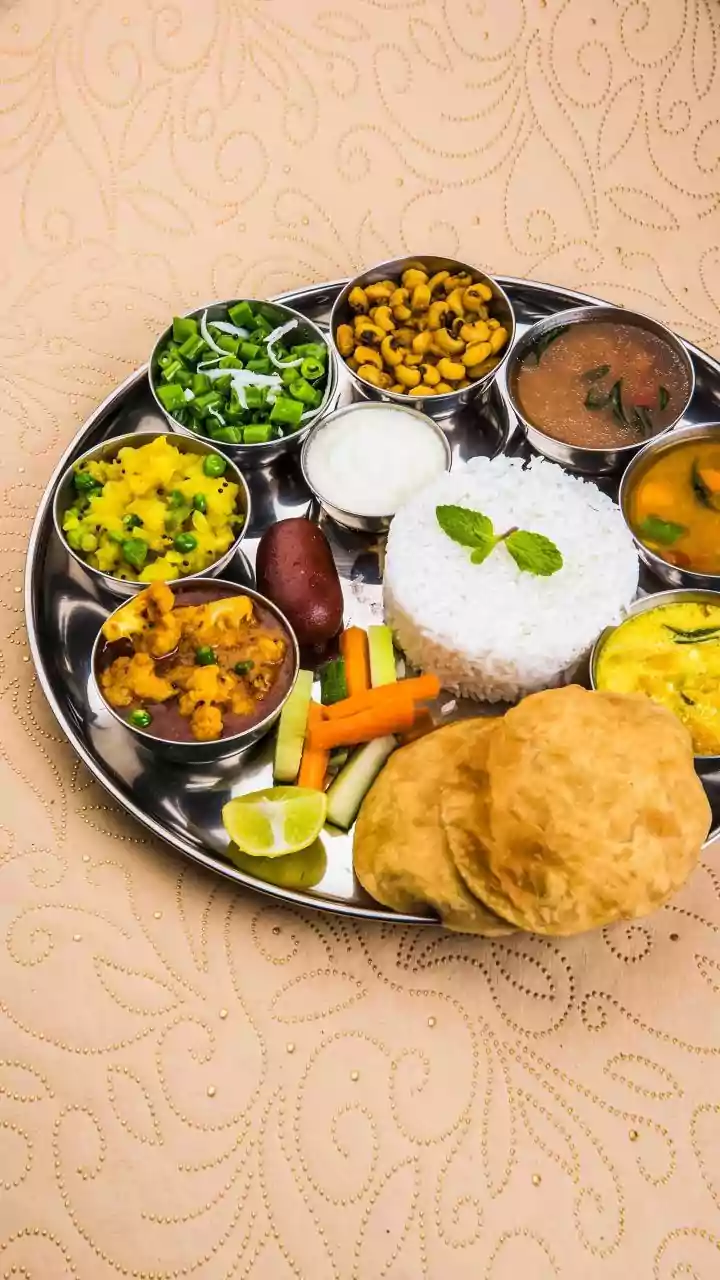
Beyond regional specialities, many devotees prepare or offer a 'Chappan Bhog', a grand feast consisting of 56 different food items. This tradition is rooted in the legend of Krishna lifting the Govardhan Hill for seven days, during which he missed his eight daily meals. To express their gratitude, the villagers offered him 56 dishes (7 days x 8 meals). While the full 56 items are a grand affair, the sentiment is what matters. The bhog typically includes a mix of sweets, savouries, grains, fruits, and dairy products, symbolising abundance and immense devotion.