






Harnessing the Power of Light
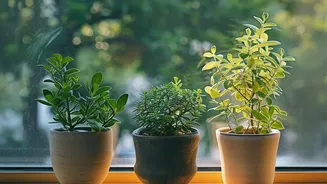
Light is the single most important energy source for your microgreens. Without enough of it, they will become 'leggy'—tall, pale, and weak—as they stretch desperately for a source. For windowsill growers, a south-facing window that receives at least six
hours of direct sunlight is ideal. However, even with a good window, growth can be slower and less consistent than with artificial light. If you notice your greens are leaning heavily in one direction, rotate the tray daily to encourage even growth.
Upgrading with Grow Lights
For truly consistent and high yields, a simple LED grow light is a game-changer. You don't need expensive, professional setups. A standard white, full-spectrum LED light with a colour temperature between 5500K and 6500K is perfect for microgreens. These lights mimic natural daylight and allow you to assess the health of your plants easily. Aim to give your microgreens 12 to 17 hours of light per day, followed by a period of darkness. This long light duration, even at low intensity, promotes robust growth.
The Two Phases of Watering
Proper watering is a delicate balance. Overwatering leads to mould and root rot, while underwatering will cause your crop to wilt and die. Your watering strategy should change based on the growth stage. For the first few days after sowing your seeds, you should top-water with a fine mist sprayer. This keeps the seeds and the surface of the growing medium consistently moist, which is essential for germination. During this phase, the trays are usually covered to create a humid environment.
Switching to Bottom Watering
Once your seeds have sprouted and you uncover them to see tiny green shoots, it's time to switch your technique. From this point on, you should only water from the bottom. Top-watering sprouted greens can damage their delicate stems and creates a damp canopy, which is a primary cause of mould. To bottom-water, simply place your growing tray (which must have drainage holes) into a slightly larger tray without holes. Add about a cup or two of water to the bottom tray and let the growing medium soak it up for 15-20 minutes. After that, discard any excess water.
Creating a Simple Schedule
How often you need to water depends on your home's humidity, the type of microgreen, and how mature they are. Instead of watering on a strict daily schedule, get used to the weight of your tray. A well-watered tray will feel heavy, while a dry tray will feel noticeably light. As a general rule, check the moisture daily. Once the greens are established, they will likely need water every one to two days. Varieties popular in India like Fenugreek (Methi), Mustard (Sarson), and Radish (Mooli) grow fast and are great for beginners to practice these techniques on.