


Gather Your Simple Toolkit
Before you begin, get all your materials ready. A little preparation makes the entire process smoother and more enjoyable. You don't need a professional art studio—most of these items are easily found at a local hardware or craft store. You will need:
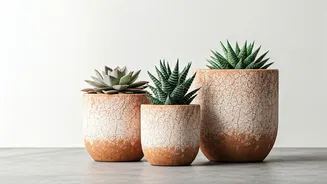
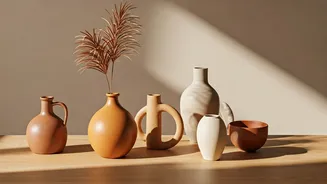
weathered clay or terracotta pots of various sizes, a stiff brush for cleaning, sandpaper (medium grit), a cloth, matte-finish acrylic or chalk paint in minimalist colours (think white, charcoal grey, beige, or black), paintbrushes, a clear matte sealant (optional but recommended), succulent and cactus potting mix, a selection of small indoor succulents, and decorative pebbles or gravel for a top dressing.
Prep Your Pots for a Flawless Finish
This is the most important step for a professional-looking result. Don't skip it! First, use your stiff brush to scrub off any dirt, moss, or mineral deposits from your pots, both inside and out. If they are particularly grimy, use a bit of soap and water, but make sure they are completely bone-dry before you proceed. Terracotta is porous and holds moisture, which can cause paint to peel later. Once dry, lightly sand the entire outer surface with sandpaper. This creates a slightly rough texture that helps the paint adhere better. Wipe away all the dust with a clean, dry cloth. For maximum durability, especially if you plan to water your plants in the pot, you can apply a clear sealant to the inside to prevent water from seeping through the clay and affecting the paint.
Paint with a Minimalist Aesthetic
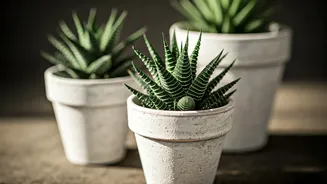
Now for the fun part. The key to a minimalist look is a simple, clean colour palette and application. Apply your first coat of acrylic or chalk paint. Matte finishes work best for this style, as they have a sophisticated, non-reflective quality. Let the first coat dry completely—this usually takes about an hour. Apply a second coat for a smooth, opaque finish. You can keep it simple with a solid colour or try some easy design ideas. A popular minimalist technique is 'colour blocking'—painting the bottom half of the pot a different colour from the top. You could also create simple geometric patterns with painter's tape or go for a 'dipped' look by only painting the bottom third. Let the paint cure for at least 24 hours before planting.
Choose the Right Succulents
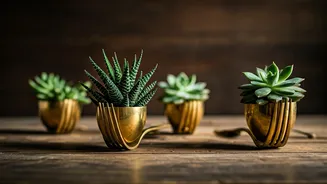
Not all succulents are created equal, especially for indoor living in India. You want hardy, low-maintenance varieties that don’t require intense, direct sunlight. Some excellent choices include the Snake Plant (Sansevieria), which is almost indestructible and a great air purifier; the Zebra Plant (Haworthiopsis fasciata), with its striking white stripes; and various types of Gasteria, also known as 'ox tongue' plants, which thrive in lower light. These plants are forgiving if you occasionally forget to water them and their strong, sculptural shapes perfectly complement the minimalist pot design. When selecting, look for healthy plants with firm leaves and no signs of pests.
Potting Your Succulent Correctly
Succulents hate having 'wet feet', which leads to root rot. Standard garden soil holds too much water. You must use a special succulent and cactus potting mix, which is sandy and well-draining. You can buy this pre-mixed or make your own by combining equal parts potting soil, coarse sand, and perlite. Ensure your clay pot has a drainage hole at the bottom—this is non-negotiable for succulent health. Place a small piece of a broken pot over the hole to prevent soil from falling out. Fill the pot about two-thirds full with your succulent mix. Gently remove your chosen succulent from its nursery pot, loosen the root ball slightly, and place it in the new pot. Fill in the gaps with more soil, pressing down lightly to secure the plant. The base of the plant should be just below the rim of the pot.
Add the Finishing Touches
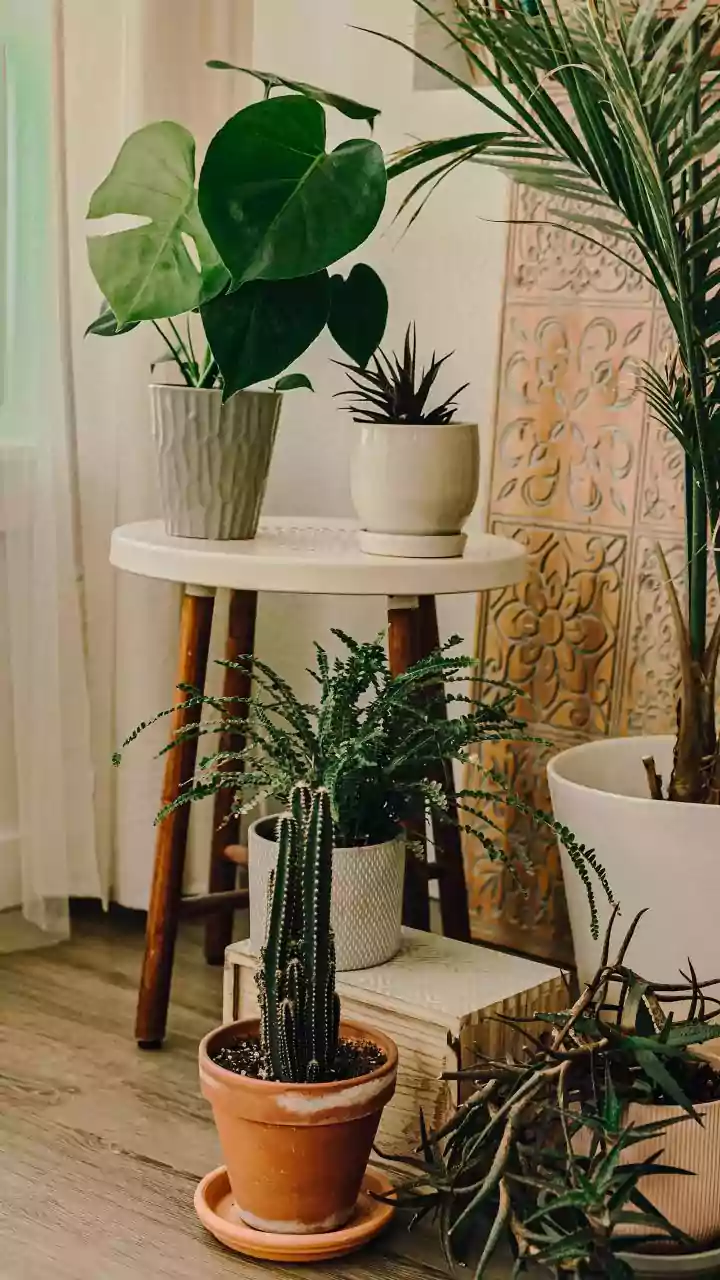
The final detail that truly elevates your upcycled pot is a top dressing. This not only looks clean and professional but also helps keep the soil in place and discourages pests. Gently spread a thin layer of small decorative pebbles, gravel, or even coloured sand over the top of the soil, right up to the base of the succulent. White or black pebbles provide a beautiful contrast against the green of the plant and the colour of your pot. Water your newly potted succulent lightly—just enough to settle the soil. Wait for the soil to dry out completely before watering again. Place your new creation in a spot that gets bright, indirect light, like a windowsill or a side table near a window, and enjoy your handiwork.