



Saturn's Prelude to Primetime
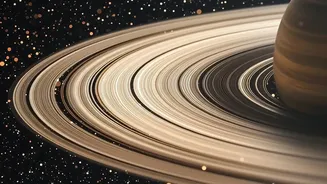
While Saturn's biggest night of the year is a little further away, August marks the beginning of its grand performance. The planet is heading towards its 'opposition' on October 4, 2026. In astronomical terms, opposition is when Earth passes directly
between the Sun and an outer planet. This alignment means Saturn will be at its closest, brightest, and largest for the year. Throughout August, you can watch this process unfold. The planet will rise earlier each evening, growing progressively brighter in our sky. This makes August the perfect month for Indian sky-watchers to get acquainted with the gas giant and follow its journey toward its October peak. By late August, it will be a prominent feature for most of the night.
How to Find the Ringed Planet
Finding Saturn is easier than you might think. You don't need a map filled with complex coordinates, just a little patience and a clear view of the eastern horizon. Look towards the east from around 10 p.m. onwards at the beginning of the month, and even earlier as the weeks go by. Saturn will appear as a steady, bright, yellowish-white point of light. Unlike stars, which twinkle due to atmospheric turbulence, planets like Saturn shine with a more constant glow. It will be located in the faint constellation of Cetus, the whale. For those in India, it will rise in the east, travel across the sky, and reach its highest point well after midnight before setting in the west around sunrise.
Naked Eye, Binoculars, or Telescope?
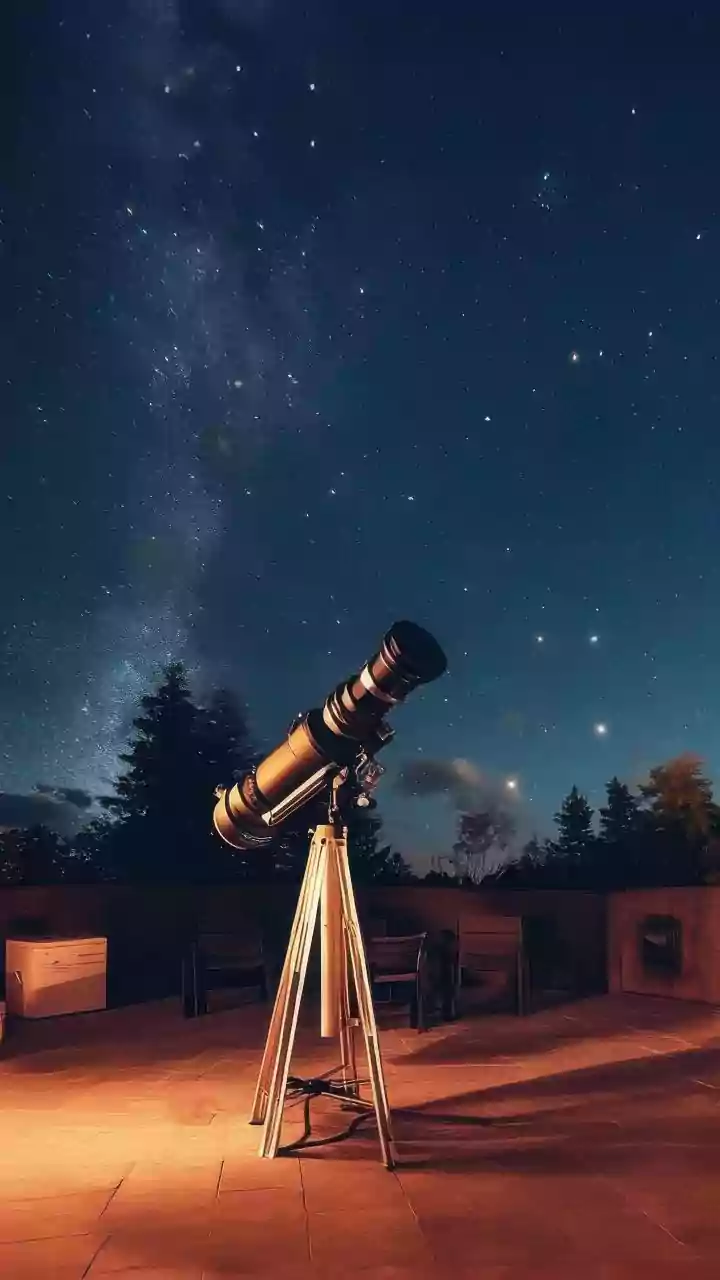
The beauty of watching Saturn is that it’s accessible to everyone. To the naked eye, it’s an impressively bright 'star' that commands attention. If you have a pair of good, steady binoculars, you might be able to discern that it's not perfectly round—it may appear as a slightly elongated oval. This is the first hint of its famous rings. However, to truly witness the planet's iconic feature, you'll need a telescope. Even a small, entry-level telescope with about 50x magnification has enough power to resolve the rings, separating them from the planet's disk. Seeing those rings for the first time is a breathtaking moment that has turned many casual observers into lifelong astronomy enthusiasts.
The Big Bonus: A Moonless Meteor Shower
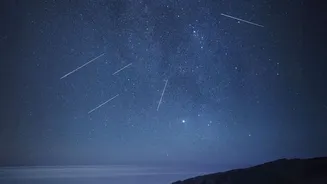
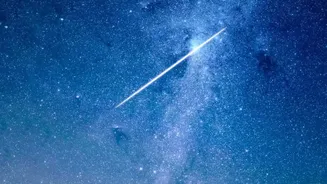
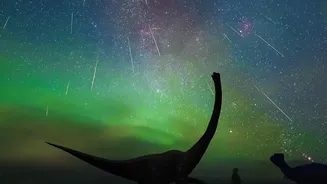
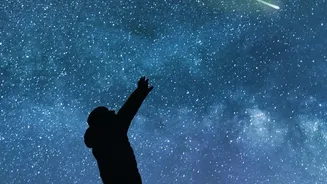
As if a rising Saturn wasn't enough, August 2026 offers another celestial treat: the Perseid meteor shower. Considered one of the best meteor showers of the year, the Perseids are set to peak on the night of August 12-13. In a stroke of cosmic luck, this peak coincides with a New Moon, meaning the skies will be perfectly dark and free from lunar glare. Under ideal conditions, you could see up to 100 'shooting stars' per hour. These streaks of light are actually debris left behind by the comet Swift-Tuttle. For the best view, find a dark location away from city lights, let your eyes adjust for about 30 minutes, and simply look up. The meteors can appear anywhere in the sky.
A Word on the Weather: Beating Monsoon Clouds
For stargazers in India, August brings one significant challenge: the monsoon. Widespread cloud cover can easily play spoilsport for any planned astronomical viewing. However, don't lose hope. Keep a close eye on your local weather forecast for any breaks in the clouds, which can often occur in the hours after midnight. If you're truly dedicated or planning a trip, the best chances for clear skies are in the country's rain-shadow regions. High-altitude deserts like Ladakh and Spiti Valley offer some of the clearest, darkest skies in the world during this period, making them ideal locations to witness both Saturn and the Perseids in all their glory.