


The River of Floating Boats
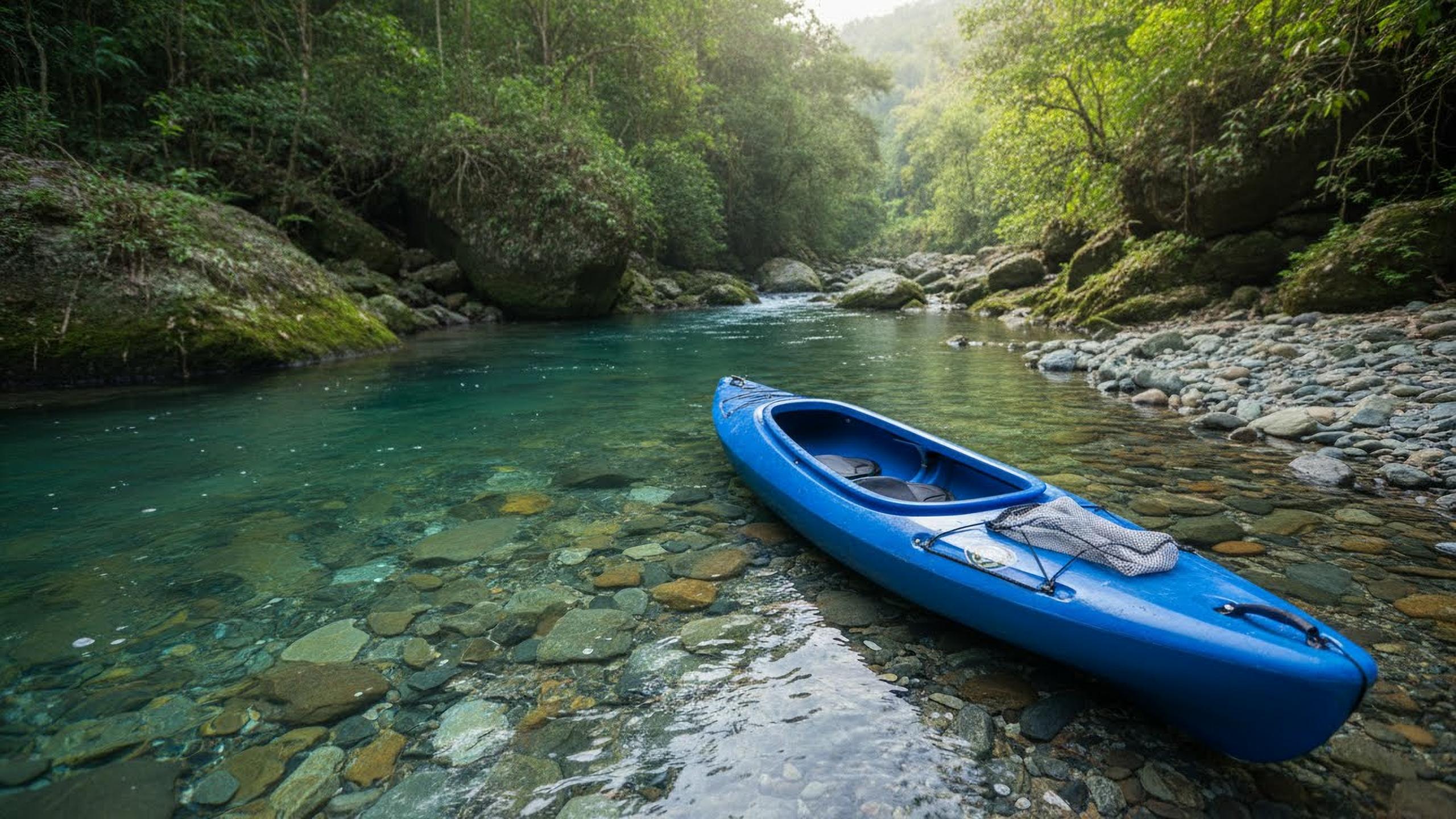
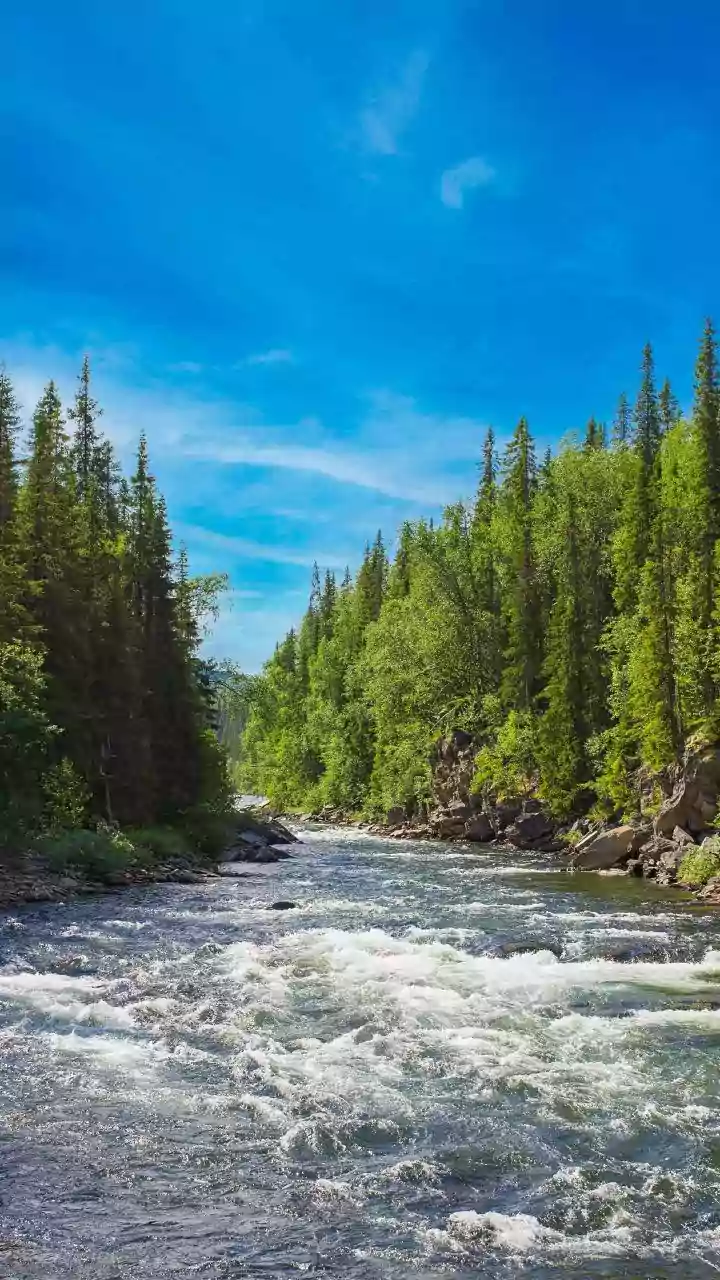
For years, the Umngot River, flowing through the towns of Dawki and Shnongpdeng in the West Jaintia Hills, has been the poster child for Meghalaya's natural splendour. Its legendary water clarity, which offers views of the riverbed up to 30 feet below,
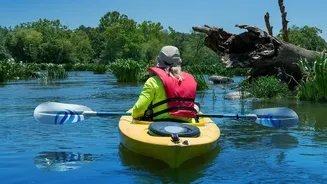
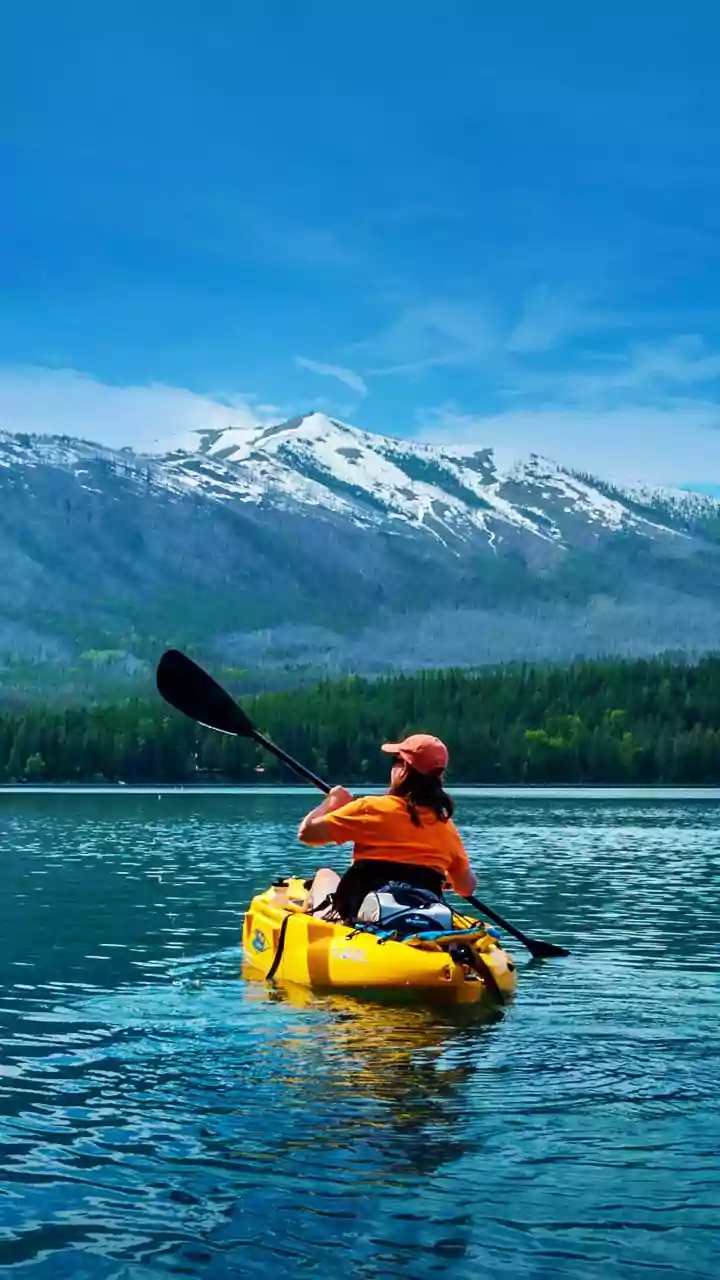
has made it a global attraction. The iconic image of colourful boats seemingly suspended in mid-air is not an illusion but a testament to a pristine ecosystem. This unique environment has become the backbone of the local economy, giving rise to a vibrant tourism scene built around boating, riverside camping, and a host of adventure sports. Kayaking, in particular, offers an intimate way to experience this serenity, allowing visitors to navigate the calm, emerald waters at their own pace, surrounded by lush green hills.
Paradise Under Pressure
However, this idyllic paradise has recently faced significant environmental threats. In late 2025, locals and environmentalists raised alarms as the crystal-clear waters of the Umngot began turning murky and brown. The discoloration was linked to soil dumping and debris from ongoing road construction projects in the region, which washed into the river and its tributaries. This pollution event was a stark reminder of the fragile balance between development and conservation. It not only disrupted the aquatic ecosystem but also threatened the livelihoods of hundreds of local families dependent on tourism, as the river’s main attraction—its clarity—was clouded. The incident highlighted an urgent need for more vigilant environmental stewardship to protect one of India's most iconic natural treasures.
Paddles with a Purpose
In response to these challenges, a subtle but powerful shift is taking place. While formal 'river-cleaning excursions' are still a developing concept, the act of kayaking itself is being reframed as an exercise in environmental awareness. Local operators and guides in villages like Shnongpdeng increasingly emphasize the principles of responsible tourism. Tourists are not just clients; they are guests in a delicate ecosystem. The briefing before a kayaking trip often includes instructions on not littering and respecting the natural habitat. By paddling through these waters, visitors gain a firsthand appreciation for their beauty and fragility. This immersive experience does more than provide an adrenaline rush; it fosters a connection and a sense of responsibility, turning a simple holiday activity into a lesson in active conservation.
A Culture of Guardianship
This evolving tourist mindset is rooted in Meghalaya's broader culture of community-led conservation. The state has a long tradition of local communities acting as guardians of their natural resources, from sacred groves to pristine villages like Mawlynnong, famously known as Asia's Cleanest Village. This ethos is now being formally supported through government initiatives like the Meghalaya Adventure Tourism Scheme, which aims to promote sustainable, community-based tourism. By empowering local entrepreneurs to run eco-friendly operations, the state ensures that the economic benefits of tourism remain within the community while encouraging the preservation of the natural assets that draw visitors in the first place. The tourist choosing to kayak here is, therefore, directly supporting a model where local people are incentivized to protect their environment.
From Tourist to Steward
The modern adventure tourist in Meghalaya is increasingly being asked to be more than a passive observer. They are becoming active participants in the preservation of the landscape. This transformation from tourist to steward happens not through grand, organized clean-up drives but in the small, conscious decisions made every day. It’s in choosing a certified local guide, respecting waste disposal rules, and carrying out what you carry in. It is understanding that the price of that breathtaking photo is a commitment to leaving the place as you found it, if not better. The kayaking excursion becomes a powerful symbol of this new pact between the visitor and the destination. The paddle in hand is no longer just a tool for propulsion but a vote for a more sustainable and respectful way of exploring the world.