




From Spice Box to Cocktail Glass
The cocktail bar is one of the most exciting new frontiers for Indian spices. Mixologists across the country and abroad are moving beyond the standard G&T, infusing spirits and crafting syrups with masalas that add unprecedented depth and character. Imagine
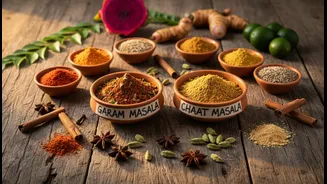
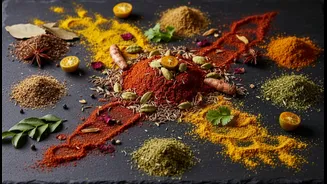
sipping a gin infused with cardamom, cumin, and ginger, or an Old Fashioned sweetened with masala-spiced demerara sugar. Cocktails featuring jal jeera, amchur (dried mango powder), and even tamarind are popping up on menus, offering a nostalgic yet novel flavour profile. This trend is about more than just adding heat; it’s about using spices like cardamom, fennel, and clove to create complex, aromatic beverages that tell a story. Bartenders are collaborating with chefs to ensure the spice notes are authentic, creating drinks that pair perfectly with modern Indian food and stand confidently on their own.
The Sweet and Spicy Surprise
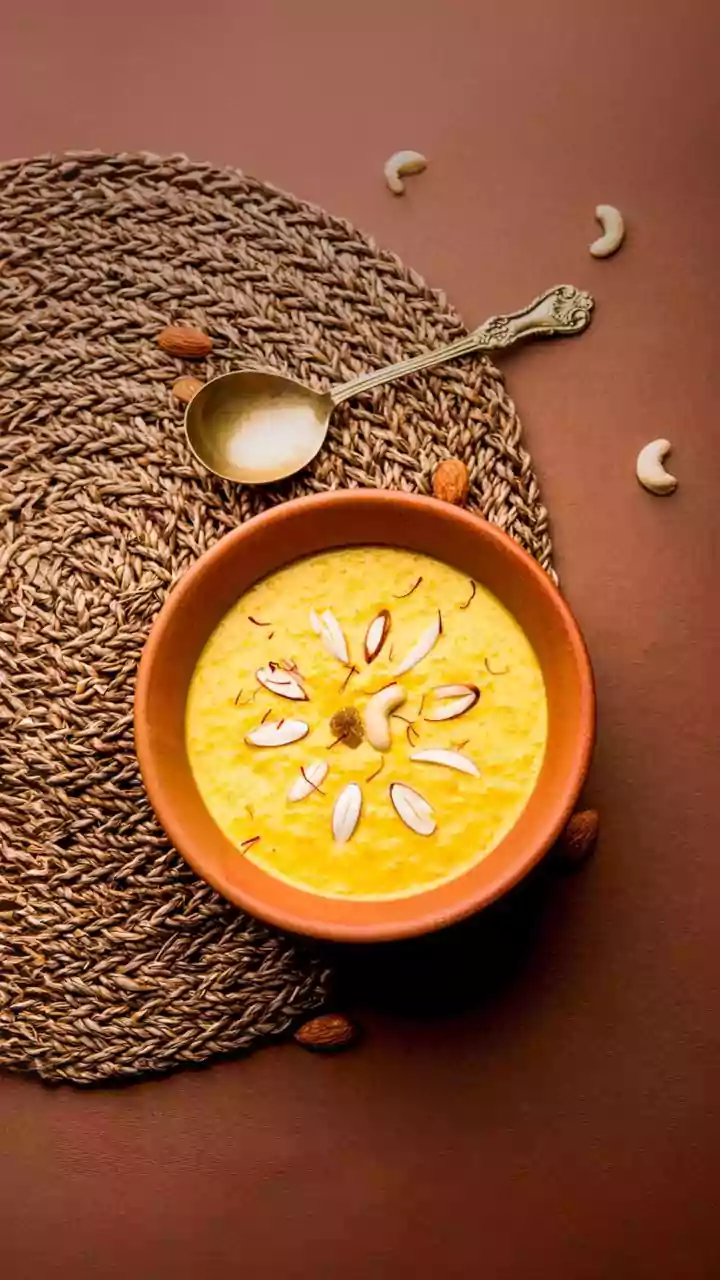
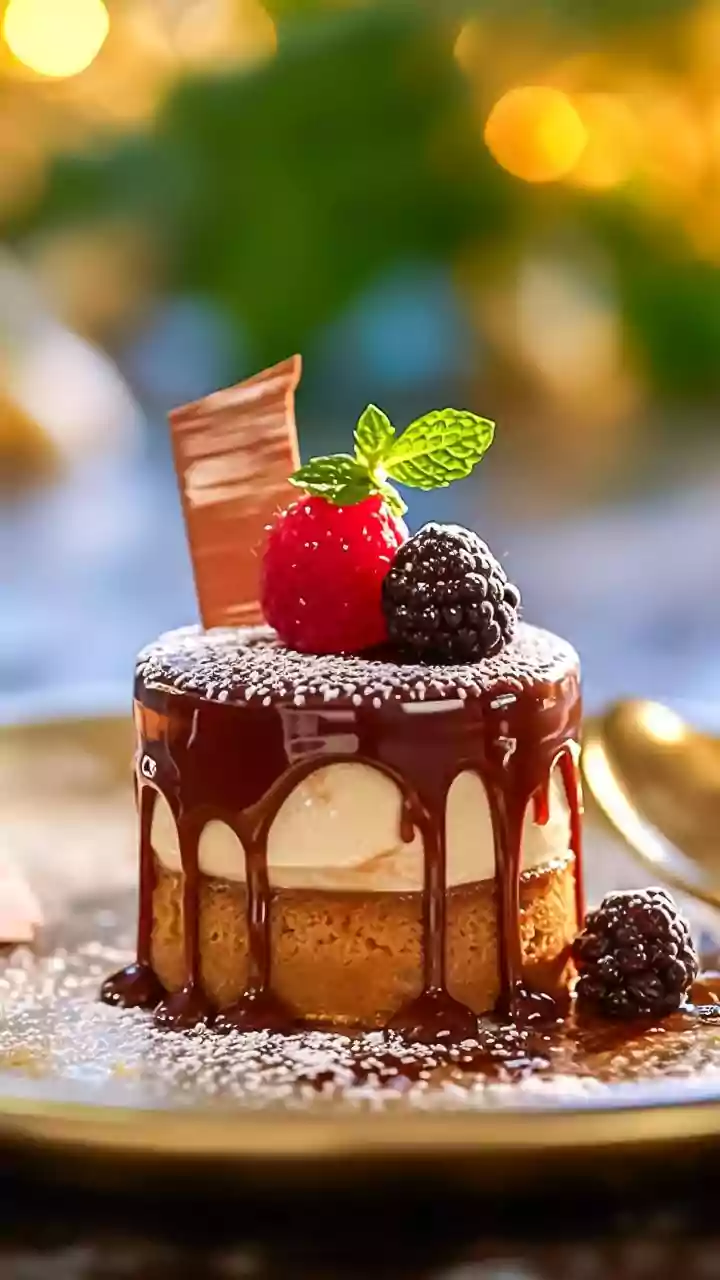
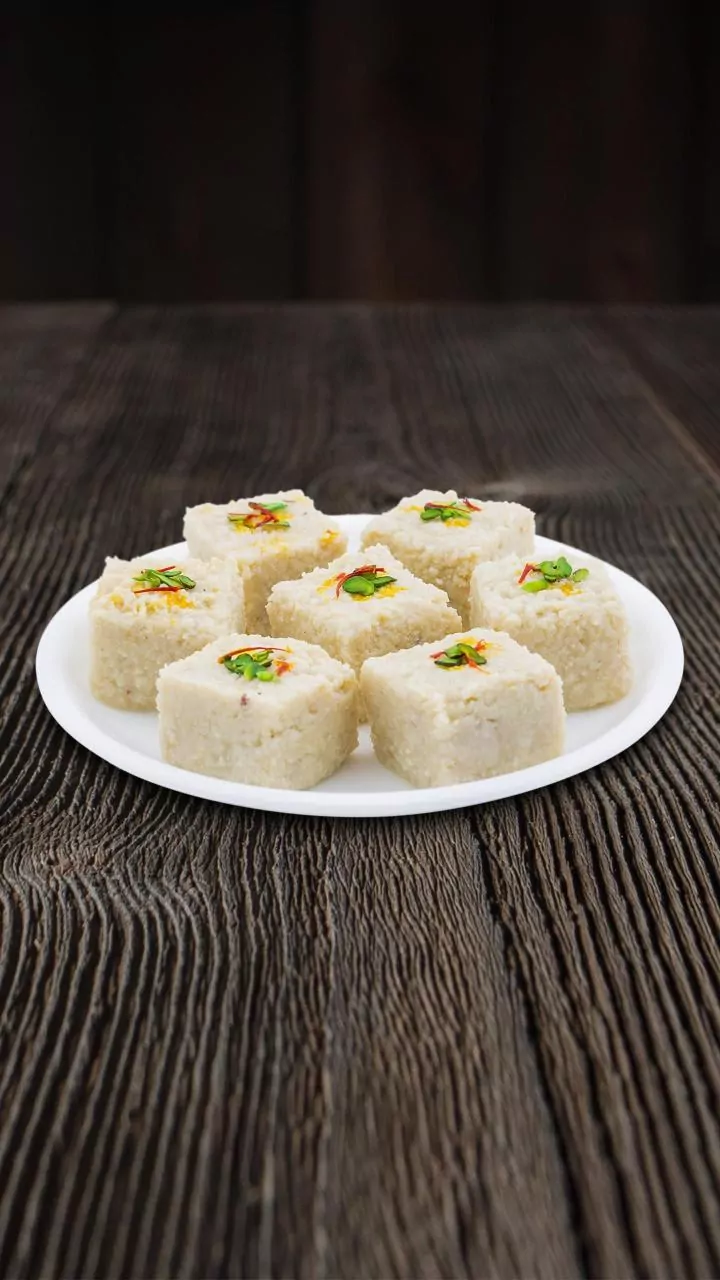
Dessert is another area undergoing a spicy revolution. The idea of adding traditionally savoury spices to sweets is catching on, creating a thrilling contrast of flavours. Pastry chefs are experimenting with everything from garam masala-spiced chocolate mousse to pineapple upside-down cake cooked with black pepper and chilli. New York-based pastry chef Surbhi Sahni, for example, is known for blending Indian ingredients with Western pastry techniques, creating chai-spiced panna cottas and even chilli-chocolate samosas. This isn't about overpowering the dessert but using spice as a supporting element. A pinch of garam masala in gingerbread cookies, cardamom in a teacake, or a sprinkle of chilli with raw mango brings a familiar yet surprising twist, challenging the notion that Indian desserts must be singularly sweet.
A Global Pantry, A Desi Heart
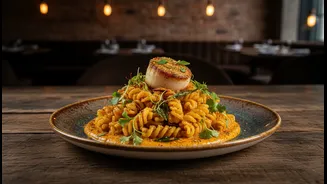
The fusion food trend has opened a playground for creative Indian cooks. They are masterfully weaving traditional masala flavours into global formats, proving the versatility of India's spice heritage. Think of lamb burgers with Punjabi spices, pasta with a cumin-flavoured tomato sauce, or tacos filled with tandoori-style vegetables. These dishes aren't about diluting Indian flavours but about applying them in new contexts. Food creators are deconstructing classics and using the core spice profiles to innovate. This approach is making Indian flavours more accessible to a global audience while giving those familiar with the cuisine a fresh perspective. It's a culinary dialogue where a masala blend can feel just as at home in a lettuce wrap as it does in a classic chicken curry.
The New Guard of Masala Makers
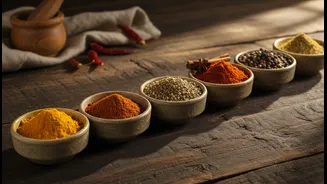
This innovation isn't just happening in restaurant kitchens and home blogs; it's also taking place on the manufacturing line. A new generation of Indian masala brands is challenging the dominance of legacy companies like MDH and Everest. Brands such as ZOFF and Hathi Masala are focusing on modern techniques like cryogenic and cool grinding, which preserve the volatile oils in spices for a fresher, more potent flavour. They are also competing on transparency, sourcing, and innovative packaging like resealable pouches that maintain freshness. While traditional brands are trusted for their consistent, classic tastes, these newer players are catering to a modern cook who prioritises freshness and purity, reflecting a broader shift in how consumers approach their ingredients.