



The Protein Powerhouses: A Quick Comparison
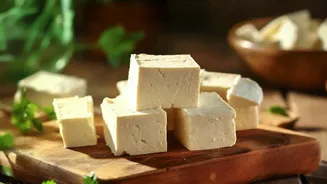
Both paneer and tofu are celebrated for their protein content, but they have distinct nutritional profiles. Paneer, a fresh cheese made from milk, generally boasts a higher protein count, with a 100g serving containing around 18 to 20 grams. However,
it's also more calorie-dense and higher in fat. Tofu, made from soybeans, offers about 8 to 10 grams of protein per 100g but has significantly fewer calories and less fat, making it a lighter option. Tofu is also a complete plant-based protein, providing all essential amino acids, and is cholesterol-free, which makes it an excellent choice for heart health. Your choice depends on your dietary goals: paneer is great for muscle building, while tofu is often preferred for weight management.
The Pressing Issue: A Simple Trick for Better Tofu
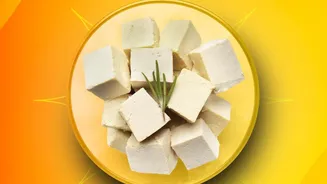
One of the most common complaints about tofu is its spongy, watery texture. The secret to firm, flavourful tofu that doesn't fall apart is pressing it before cooking. This non-negotiable step removes excess water, allowing the tofu to absorb marinades better and achieve a much firmer, meatier bite. You don’t need a fancy gadget; simply wrap the block of tofu in a clean kitchen towel or paper towels, place it on a plate, and put something heavy on top—like a few books or a cast-iron skillet. Let it press for at least 30 minutes. This single trick transforms tofu from bland and soft to a perfect canvas for your spices.
Marinade Magic: Flavour Without the Fat
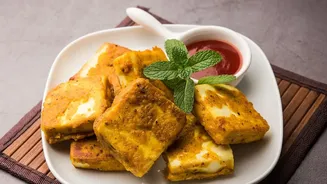
Deep-frying is a common way to add flavour, but it also adds unnecessary fat and calories. A smart marinade is a healthier way to infuse both paneer and tofu with incredible taste. For tofu, a mix of soy sauce, ginger, garlic, and a touch of vinegar or lemon juice works wonders after it has been pressed. For paneer, a yogurt-based marinade is classic for a reason. Whisk together thick curd (yogurt), ginger-garlic paste, turmeric, garam masala, and chilli powder for a tikka-style flavour base. Let your protein sit in the marinade for at least 30 minutes to allow the flavours to penetrate deeply before cooking.
Beyond the Kadai: Healthier Cooking Methods
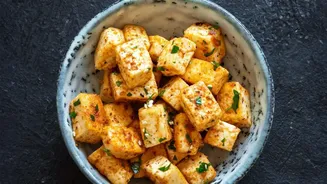
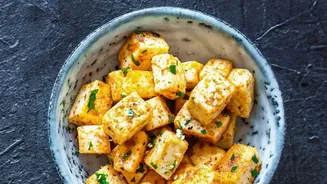
Instead of deep-frying, embrace cooking methods that use minimal oil. Air frying is a fantastic way to get crispy, golden-brown paneer and tofu cubes with just a light spray of oil. Baking is another excellent option; arrange your marinated pieces on a baking sheet and bake at a high temperature (around 200°C) until the edges are browned and crisp. Pan-searing in a non-stick pan with a teaspoon of oil is also a great way to achieve a delicious crust without submerging the pieces in fat. These methods not only save on calories but also let the true texture of the paneer and tofu shine through.
Paneer Perfection: Achieving Softness Without Cream
Have you ever wondered why restaurant paneer is so soft, while homemade versions can turn rubbery? A simple trick is to soak the paneer cubes in hot, salted water for about 10-15 minutes before adding them to your gravy. This rehydrates the cheese, making it incredibly soft and spongy without the need for heavy creams or cashew pastes in your curry. If you do pan-fry your paneer for texture, you can drop the fried cubes directly into this warm water bath. This ensures it remains melt-in-your-mouth tender when you finally add it to your dish.
Smart Pairings for a Complete Meal
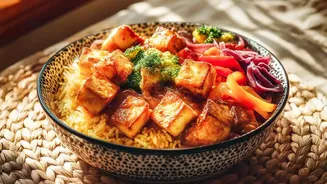
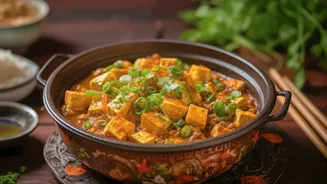
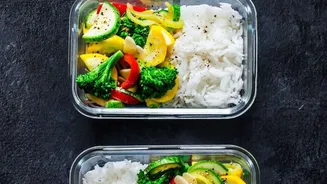
To create a truly balanced and healthy high-protein dinner, think beyond just the paneer or tofu. Pair your protein with fibre-rich vegetables like bell peppers, onions, spinach, and broccoli. Instead of serving your paneer curry with refined naan or white rice, opt for whole-wheat rotis, brown rice, or quinoa. A paneer or tofu stir-fry packed with colourful vegetables and served over a bed of millets is another fantastic way to build a nutrient-dense meal that will keep you full and satisfied. These pairings ensure you're getting a good mix of protein, complex carbohydrates, and essential vitamins.