Curious about the buzz around ancient grains? These nutritional powerhouses, from jowar to quinoa, are making a comeback. They are easier to add to your daily meals than you think, offering flavour, texture, and a wealth of health benefits.
What Exactly Are Ancient Grains?
The term 'ancient
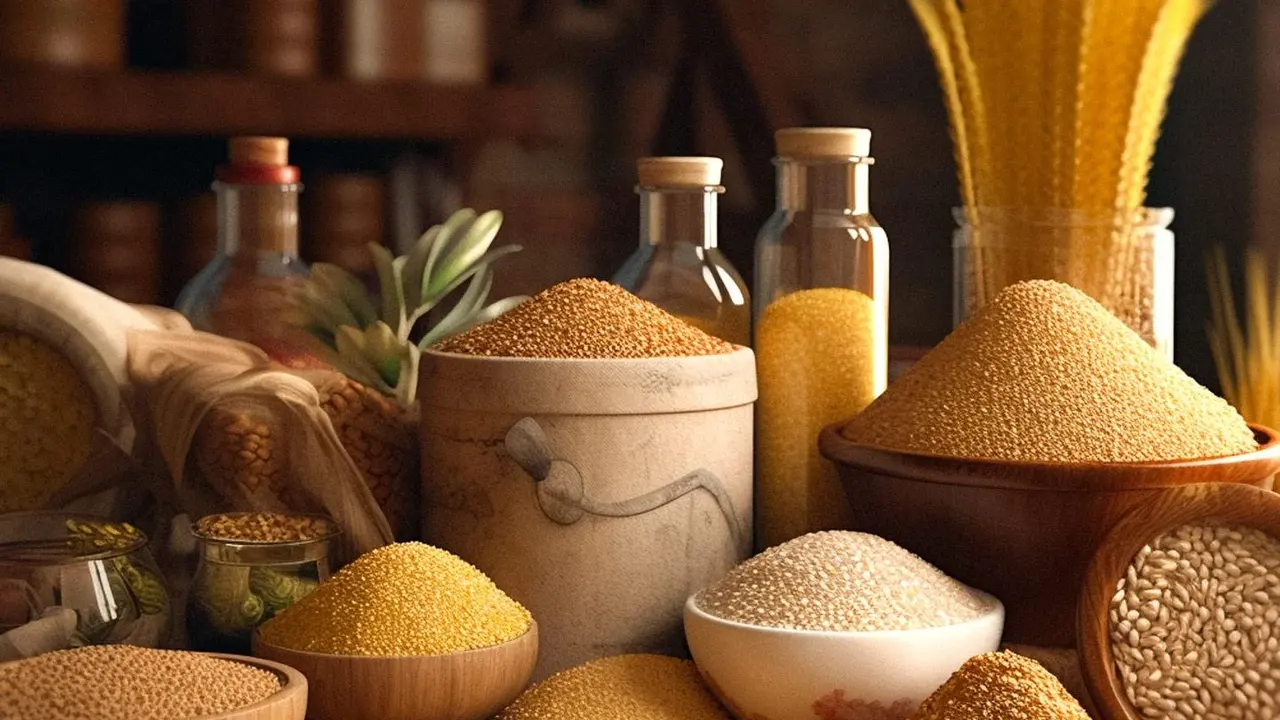
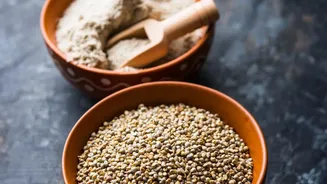
grains' refers to grains that have been cultivated the same way for centuries, with minimal changes from modern selective breeding. Unlike many modern grains that have been modified for faster growth or higher yield, ancient grains have largely retained their original nutritional profile. In India, this includes familiar staples like jowar (sorghum), bajra (pearl millet), and ragi (finger millet), as well as pseudocereals like amaranth (rajgira). These grains were a core part of Indian diets for thousands of years before refined wheat and white rice became dominant. Their resurgence is not a fleeting trend but a return to a more diverse and traditionally rooted way of eating.
The Nutritional Advantage
Swapping refined grains for ancient varieties offers significant health benefits. Ancient grains are typically richer in dietary fibre, protein, vitamins, and minerals. Millets, for example, generally contain more fibre and minerals like iron and calcium compared to polished white rice. The higher fibre content promotes better digestion, helps you feel full for longer, and can contribute to weight management. Many ancient grains also have a lower glycemic index, meaning they release sugar into the bloodstream more slowly, providing sustained energy and helping to manage blood sugar levels. Grains like quinoa and amaranth are even considered complete proteins, as they contain all nine essential amino acids.
Cooking Guide: Millets (Jowar, Bajra, Ragi)
Millets are incredibly versatile and can be cooked much like rice. A good starting ratio for a fluffy, pilaf-style texture is one part millet to two parts water. First, rinse the millet thoroughly. Soaking for a few hours or overnight can make them easier to digest and quicker to cook, but isn't always necessary. For open-pot cooking, bring water to a boil, add the drained millet, then reduce the heat, cover, and simmer for about 15-20 minutes until the water is absorbed. Let it rest, covered, for another 5-10 minutes before fluffing with a fork. For a softer, porridge-like consistency, increase the water ratio to 1:3. In a pressure cooker, use a 1:2 ratio and cook for 2-3 whistles on medium heat, allowing the pressure to release naturally.
Cooking Guide: Quinoa
Quinoa, a pseudocereal native to South America, is prized for its delicate texture and nutty flavour. The key to perfect quinoa is rinsing it well under cold water to remove its natural coating, called saponin, which can taste bitter. The ideal water-to-quinoa ratio is generally 1.5 or 2 parts water to 1 part quinoa. Combine the rinsed quinoa and water in a saucepan and bring to a boil. Once boiling, reduce the heat to low, cover with a tight-fitting lid, and simmer for about 15 minutes, or until the water is absorbed. After that, turn off the heat and let it sit, still covered, for at least 5-10 minutes. This resting period is crucial for allowing the grains to steam and become fluffy. Finally, uncover and fluff gently with a fork. One cup of dry quinoa yields about three cups cooked.
Cooking Guide: Amaranth (Rajgira)
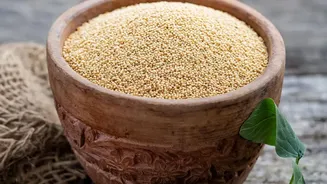
Amaranth, or rajgira, is a tiny seed that cooks into a creamy, porridge-like consistency. It is packed with protein and nutrients. To cook, use a ratio of about one part amaranth to two or three parts water, depending on your desired thickness. Bring the water to a boil, add the amaranth, and reduce the heat to a simmer. Cook for about 20-25 minutes, stirring occasionally, until the grains are tender and have absorbed the water. The final texture will be somewhat gelatinous and creamy, not fluffy like quinoa. You can also 'pop' amaranth in a hot, dry pan. Add a tablespoon of seeds to a preheated skillet, cover, and shake until they pop, which takes less than a minute. The popped seeds make a fantastic crunchy topping for salads, yoghurt, or soups.
Simple Ways to Get Started
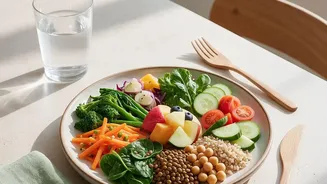
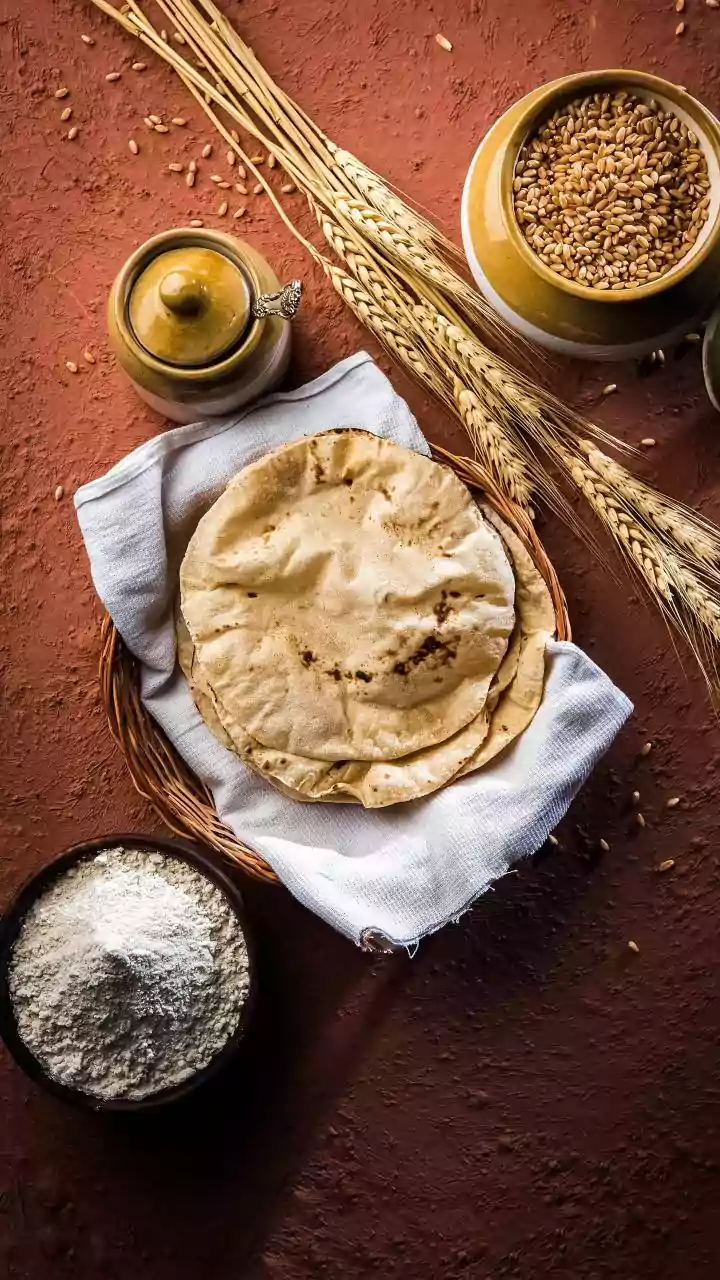
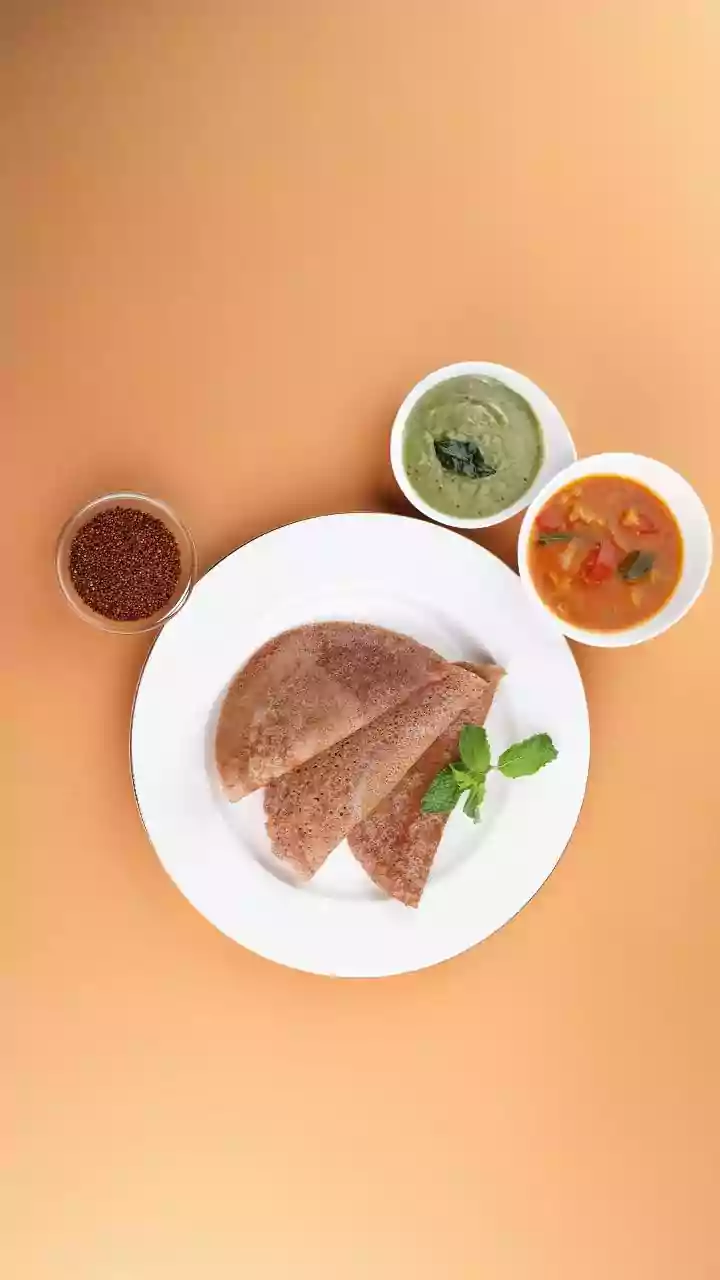
Incorporating ancient grains doesn't require a complete diet overhaul. Start small. Try making one meal a week with an ancient grain instead of rice or wheat. Cooked millet or quinoa can replace rice in dishes like pulao, khichdi, or lemon rice. You can also add them to salads for extra texture and protein. For breakfast, try a warm porridge made from ragi or amaranth. Another easy method is to mix ancient grain flours into your regular chapati atta. Start by substituting 20-30% of your wheat flour with jowar, bajra, or ragi flour to make your rotis more nutritious.