





The Protein-Packed Tradition
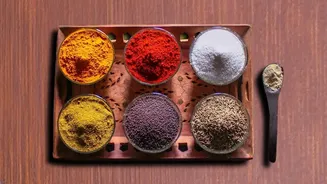
Thalipeeth has always been a nutritious meal. Its foundation is 'bhajani', a multigrain flour typically made from roasted grains and lentils like jowar (sorghum), bajra (pearl millet), rice, and various dals. This combination already provides a good amount
of protein and fibre, making it a staple for sustained energy. Historically, it was a practical way to use up remaining grains and lentils, creating a meal that was both resourceful and nourishing. By adding a finely ground seed mix, you can easily elevate its nutritional profile, making it an even better choice for growing children, active adults, or anyone looking to increase their protein intake without sacrificing authentic flavour.
Choosing the Right Seeds
Not all seeds are created equal when it comes to protein. For this purpose, some of the best choices are hemp, pumpkin, sunflower, flax, and sesame seeds. Hemp seeds are a standout, offering a complete protein with all nine essential amino acids. Pumpkin seeds follow closely, packed with protein and other minerals. Sunflower seeds are another excellent, high-protein option that also provides vitamin E and healthy fats. Flaxseeds, available in brown or golden varieties, are celebrated for their protein and high omega-3 fatty acid content. Traditional recipes sometimes include whole sesame seeds, which add a nutty flavour and a respectable amount of protein.
Preparation is Key: The Grind
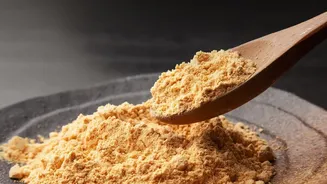
To seamlessly incorporate seeds into your thalipeeth batter, they must be finely ground. A coarse grind will create a gritty texture, but a powder-like consistency will blend right in. The best method is to first lightly dry roast the seeds in a pan until they are fragrant. This step isn't just for flavour; it also makes them easier to grind. Once cooled, you can use a spice grinder or a powerful blender to turn them into a fine flour. You can make a single-seed powder or create your own custom blend. Store this seed mix in an airtight container in the refrigerator to maintain its freshness and prevent the natural oils from going rancid.
Getting the Ratio Right
The secret to a perfect protein-boosted thalipeeth lies in the ratio of seed mix to bhajani. Adding too much can make the dough dense and affect its ability to cook properly. A good rule of thumb is to add 2 to 3 tablespoons of your finely ground seed mix for every 1 cup of thalipeeth bhajani. This amount is enough to significantly increase the protein content without overpowering the traditional taste or texture. When preparing the dough, mix the dry ingredients—bhajani, seed mix, spices, and salt—before gradually adding water. Seed flours are quite absorbent, so you might need to add a little more water than usual to achieve a soft, pliable dough.
Making Your Thalipeeth
Once your protein-enriched dough is ready, the process is the same as for traditional thalipeeth. After kneading, let the dough rest for about 10-15 minutes. Take a ball of dough and pat it flat on a greased plastic sheet, a banana leaf, or a piece of parchment paper. Many recipes suggest wetting your fingers to help spread the dough evenly and prevent it from sticking. Make a few holes in the centre and around the disc; this helps the thalipeeth cook evenly and allows oil or ghee to crisp it up. Carefully transfer the disc to a hot tawa or griddle, cook on both sides until golden brown and crisp, and serve hot with a dollop of fresh butter, yoghurt, or a spicy thecha.