


The Quest for the Real Picture
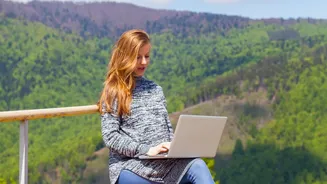
The primary driver behind this shift to video is the search for authenticity. While professional photographs can be stunning, they often present a perfected, airbrushed version of reality. A travel vlog, on the other hand, offers a chance to see a destination
through the eyes of a fellow traveller. Viewers are looking for the 'vibe check' — a genuine sense of a place that a polished marketing campaign can't provide. Research shows that user-generated content, including videos from amateur vloggers, is trusted far more than promotional material. This trust stems from the perception that a vlogger is offering an unfiltered look at their experience, complete with spontaneous moments and candid observations, making the destination feel more attainable and real.
Practicality in Motion
Beyond inspiration, Indian travellers use video reviews as a powerful tool for practical planning. A video can answer questions that text reviews often leave ambiguous. How strenuous is that trek, really? How crowded does that famous cafe get at lunchtime? What does the local transport actually look like, and is it easy to use? Viewers scrutinise videos for details on logistics, itineraries, and especially, costs. Many popular Indian travel creators build their following by sharing detailed budget breakdowns and money-saving tips, proving that aspirational travel can be achieved without breaking the bank. This makes video an invaluable resource for planning everything from a weekend getaway to an extensive international trip.
Trusting a Relatable Guide
The most influential video creators are often not those with the most cinematic production, but those who are the most relatable. Indian travellers are increasingly drawn to influencers who share a similar background, budget, or travel style. This connection builds a level of trust that is difficult for brands to replicate. When a creator they follow shares a positive experience, it feels like a personal recommendation from a friend. According to a recent Google report, 59% of travellers trust creators for planning guidance. This dynamic has elevated travel vloggers to a central role in the tourism ecosystem, capable of driving significant tourist traffic to both well-known and previously overlooked destinations.
The Right Platform for the Job
Different platforms serve different stages of the travel planning journey. Instagram and YouTube Shorts are often the starting point, providing quick, visually-driven inspiration that sparks initial interest in a destination. These short-form videos are perfect for discovery, showcasing a place's highlights in an easily digestible format. When it comes to deep, detailed research, travellers turn to long-form content on YouTube. A recent study noted that up to 68% of Indian travellers use YouTube for trip ideas. These extended vlogs offer comprehensive guides, day-by-day itineraries, and in-depth reviews of accommodations and activities, serving as a virtual guidebook for the modern age.
The Other Side of the Screen
While video reviews have empowered travellers, the trend is not without its challenges. The immense popularity of certain locations, fuelled by viral videos, has led to issues of overtourism in some ecologically sensitive or previously quiet areas. This can strain local resources and diminish the very authenticity that travellers were seeking in the first place. Furthermore, there's always the risk of a disconnect between a beautifully edited vlog and the on-ground reality, leading to mismatched expectations. As this trend matures, travellers are becoming more discerning, learning to critically evaluate the content they consume and look for creators who also promote responsible and sustainable tourism practices.