


The Real Dangers of a Monsoon Trek
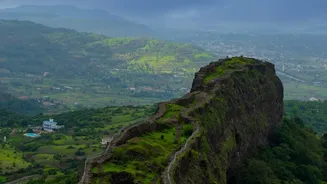
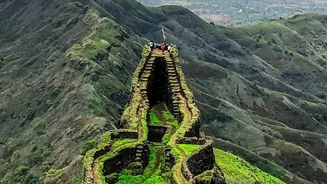
The primary danger isn't the rain itself, but what it does to the terrain. The volcanic basalt rock common in the Sahyadris becomes incredibly slippery when wet, turning simple climbs into hazardous challenges. Many trails involve stream crossings that
can swell from ankle-deep to unfordable in minutes after heavy rain upstream. Flash floods in narrow gullies are another serious risk, occurring even if it isn't raining where you are. Poor visibility due to mist and fog can easily lead to losing the trail. Understanding these specific risks—slippery rock, swollen streams, and poor visibility—is the first step in preparing properly and choosing a safe route.
Essential Gear: Your Monsoon Armour
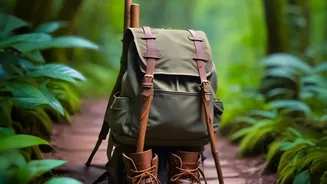
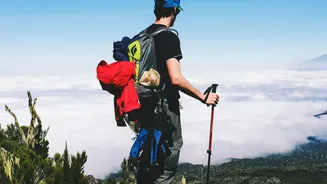
Your most critical piece of gear is your footwear. Do not wear sneakers or casual sports shoes; their flat soles offer no grip on wet rock. Invest in proper trekking shoes with deep lugs and excellent grip, preferably with ankle support. Next, focus on staying dry and warm. Avoid cotton clothing, which soaks up water and stays heavy. Instead, opt for quick-drying synthetic fabrics. A reliable poncho is often better than a sealed rain jacket, as it allows for air circulation and prevents you from getting soaked with sweat. Finally, protect your belongings. Use a backpack with a rain cover, and line the inside with a large plastic bag for double protection. Keep electronics, wallets, and extra clothes in separate dry bags or zip-lock pouches.
The Rules of the Trail
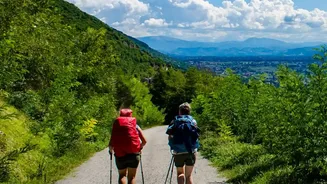
Safe trekking is as much about behaviour as it is about gear. Always start your trek early. Weather in the Ghats tends to worsen in the afternoon, so an early start gets you up and descending before conditions deteriorate. Never trek alone, especially on unfamiliar trails. If you're new to an area, hire a local guide who understands the terrain and weather patterns. Stick to marked paths and never take shortcuts, which can lead to unstable ground or getting lost. The most important rule is to respect the water. Never attempt to cross a fast-flowing stream or a river that looks swollen. If in doubt, turn back; the mountain will be there another day.
Dealing With Leeches: A Monsoon Reality
Leeches are a common and unavoidable part of trekking in the Western Ghats during monsoon. While generally harmless, they can be unsettling. The best defence is prevention. Wear full-length trousers and tuck them into your socks. Specialised anti-leech socks, which are knee-high, offer excellent protection. You can also apply salt, tobacco mixed with oil, or Dettol on your shoes and socks as a deterrent. If you find a leech attached to you, do not panic or try to pull it off, as its teeth can get stuck in your skin. Instead, use your fingernail to gently break the suction at the mouth (the thinner end) and flick it off. The bite will bleed due to an anticoagulant the leech injects, but it usually stops on its own. Clean the wound with an antiseptic to prevent infection.
Check Permits and Local Advisories
In recent years, authorities have become stricter about monsoon trekking safety. Several states, including Maharashtra and Karnataka, have implemented rules that may include outright bans on certain high-risk trails, mandatory guides, and online permit systems. For instance, as of 2026, Karnataka requires trekkers in the Western Ghats to register online, trek with a certified guide, and has capped the number of people allowed on trails per day. Many popular waterfalls and forts in Maharashtra are closed to the public during peak monsoon under Section 163 of the Bharatiya Nagarik Suraksha Sanhita (BNSS), 2023. Always check the latest regulations from the local forest department and district authorities before you plan your trip. These rules are enforced and are in place for your safety.