




The Hidden Dangers of Good Intentions
A simple bowl of water can be a lifesaver for a thirsty dog, cat, or bird, especially during India's hot summers. However, a poorly placed bowl can inadvertently become a source of illness and danger. When a water bowl is placed next to a garbage bin
or in the middle of a busy footpath, the act of kindness can have unintended negative consequences. The goal is not just to provide water, but to provide clean, safe water. This requires a bit of thought about where the bowl is placed, ensuring it helps the animals without creating new problems.
Why Garbage Bins Are a No-Go Zone
Placing water near a garbage disposal area is a common mistake, but a serious one. Garbage bins attract rodents and insects, and are breeding grounds for bacteria. When a water bowl is nearby, it is easily contaminated. Rain can cause dirty water from the bin to splash into the bowl, and animals foraging in the trash can carry germs into the water on their paws or snouts. This contaminated, stagnant water can become a breeding ground for dangerous pathogens like Leptospirosis, Giardia, and other parasites. These can cause severe digestive issues, kidney and liver damage, and can sometimes be fatal to an already vulnerable street animal.
The Problem with Busy Walkways
A busy walkway might seem like a good spot because many people will see it and perhaps even refill it. However, this location presents a different set of problems. Firstly, it’s a safety hazard for humans. People can easily trip over the bowl, leading to falls and injuries. Secondly, it is stressful and dangerous for the animals. Many street animals are timid and will be hesitant to drink in a high-traffic area. Being forced to drink in a busy spot can make them nervous, potentially causing them to bolt into traffic. Furthermore, bowls placed in inconvenient locations are often seen as a nuisance and may be kicked over or thrown away by people, defeating the purpose entirely.
The Right Way: Choosing the Perfect Spot
So, where should you place the water bowl? The ideal location is quiet, shaded, and clean. Look for a corner in your building compound, under a tree, or along a quiet side lane where there is less foot traffic. The spot should be easily accessible for animals but not directly in the way of humans. Placing the bowl in a designated, consistent spot helps animals learn where to find a reliable source of fresh water. Some animal welfare groups even suggest using heavier bowls, like those made from cement, which are harder to tip over and keep water naturally cooler.
A Checklist for Responsible Care
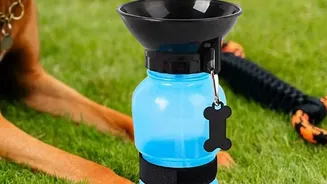
Proper placement is only half the battle. Maintaining the bowl is just as crucial for animal health. Your checklist should include: using a clean, non-toxic bowl. Plastic can degrade and harbor bacteria, so ceramic or stainless steel is often better. You must change the water daily. Stagnant water becomes a breeding ground for mosquitoes and bacteria in just a day. Finally, clean the bowl regularly with soap and water to remove algae and biofilm buildup, which can be harmful. This simple routine ensures the water you provide is truly helping, not hurting.