



Europe Becomes More Accessible
European getaways received a significant boost in 2026. SWISS International Air Lines introduced a much-anticipated direct service between Bengaluru and Zurich, set to launch in October 2026, linking India's Silicon Valley directly with the heart of Switzerland.
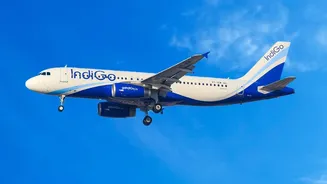
This route is a major win for both corporate and leisure travellers. Meanwhile, IndiGo expanded its European footprint by launching direct flights to Athens from both Delhi and Mumbai in January 2026, operating three times a week. This move eliminates the common layover in the Middle East, making the ancient Greek capital a more viable destination for a short holiday. Adding to the Nordic connections, SAS Scandinavian Airlines returned to India with non-stop flights between Mumbai and Copenhagen, providing a convenient gateway to Denmark, Sweden, and Norway.
Strengthened Connectivity to Asia
East and Southeast Asia also saw enhanced connectivity. Air India launched a new non-stop service from Mumbai to Tokyo's convenient Haneda Airport in June, operating four times a week and complementing existing services to Japan. In a significant move to improve ties with China, IndiGo commenced a daily non-stop flight between Kolkata and Shanghai on March 29, 2026. This route not only links two major economic hubs but also provides travellers from eastern India with a direct gateway to mainland China. Further south, IndiGo made a pioneering move by connecting Chennai with Réunion Island, a French overseas territory in the Indian Ocean. This thrice-weekly service, the first by an Indian airline, opens up a unique and less-explored destination for adventure and nature lovers.
Major Boost for US Non-Stop Travel
One of the most significant developments for long-haul travel in 2026 has been the restoration of true non-stop flights to the United States. Following the easing of airspace restrictions over West Asia, Air India resumed its direct services from Delhi and Mumbai to New York (JFK) and Newark (EWR) in early November. Previously, these flights required a technical stop in Rome for refuelling, which added several hours to the journey. The resumption of these non-stop routes has cut the total travel time by up to five hours, bringing the journey down from around 22 hours to a more manageable 17. This change marks a massive improvement in convenience for passengers on all four of these popular India-US routes.
The Middle East and Central Asia Expansion
Airlines continued to bolster their networks in the Middle East and Central Asia. Air India Express launched a new non-stop route from Indore to Abu Dhabi, offering a direct international connection for travellers in central India. The same airline also initiated services from Guwahati to Dubai and Abu Dhabi in August, further integrating India's northeastern region with the Gulf. Looking ahead, IndiGo has signalled ambitious plans for Central Asia, with intentions to reactivate services to Almaty and Tashkent via non-stop flights from Mumbai. These expansions reflect a broader strategy by Indian carriers to connect more Tier-II cities directly to global hubs, reducing reliance on metros for international travel.
What's Driving the Growth?
This boom in direct international connectivity is driven by several factors. Indian airlines, including IndiGo and Air India, are undergoing major fleet expansions, acquiring new long-range aircraft like the Airbus A350 and A321XLR that make these non-stop routes viable. There is also a growing demand from Indian travellers who are increasingly seeking convenient, point-to-point travel options that save time and reduce the stress of transit. As airlines compete to capture a larger share of the booming outbound Indian travel market, passengers can expect to see even more direct routes announced in the near future, connecting more parts of India to the rest of the world.