




The Scroll-Stopping Pour
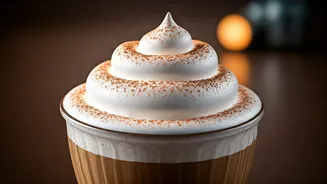
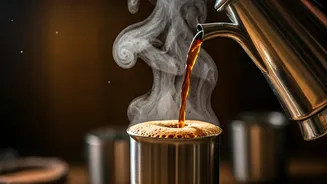
It’s a performance in a cup. On Instagram and TikTok, short-form videos capture the dramatic art of 'meter coffee'—the practice of pouring the hot liquid back and forth from a height to cool it and create a perfect, frothy head. Baristas and home-brewers
alike have turned this functional step into a visual spectacle. Set against rustic wooden tables and minimalist decor, the gleaming stainless steel davara and tumbler have become unlikely social media stars. This visual appeal is the entry point, a hypnotic loop that makes users stop scrolling and wonder what, exactly, they are looking at. It’s an aesthetic that feels both authentic and novel, a stark contrast to the familiar latte art that has dominated coffee culture online for years.
What Makes 'Kaapi' Different?
Filter coffee is a world away from the espressos and cappuccinos that define modern café menus. The magic starts with the blend itself. Unlike the 100% arabica beans often prized in Western coffee culture, the traditional South Indian blend combines coffee beans (often a mix of arabica and robusta) with chicory. This roasted root adds a distinct, slightly bitter, and caramel-like depth that many devotees find indispensable. The brewing method is also unique. A special two-chambered steel filter is used to create a 'decoction'—a thick, potent coffee concentrate made by letting hot water slowly percolate through the grounds. This decoction is then mixed with hot, frothed milk and sweetened, resulting in a brew that is strong, sweet, and deeply comforting.
A Ritual in Steel
For millions in South India, filter coffee isn't just a beverage; it’s the cornerstone of the morning ritual. The clink of the davara-tumbler, the aroma of the fresh decoction, and the first piping-hot sip are deeply woven into the fabric of daily life. Served in its iconic steel set—a tumbler (the cup) and a davara (the wider saucer-like bowl)—the drink is more than a caffeine delivery system. The davara is used to catch spills and, more importantly, to help cool the coffee as you pour it between the two vessels. This act is personal and unhurried. It’s a moment of pause before the day begins, a punctuation mark in the afternoon, and a gesture of hospitality offered to any guest. It is this ritualistic quality that gives the coffee its soul.
From Local Staple to Global Trend
While it has always been a staple in homes and 'Udupi' restaurants across the South, filter coffee's journey into the national and global spotlight is a more recent phenomenon. As specialty coffee culture boomed in India's metros, a new generation of café owners and entrepreneurs began looking inward, celebrating indigenous ingredients and traditions. They realised that the authentic, potent flavour of filter kaapi could hold its own against any international coffee trend. Now, you can find dedicated filter coffee bars in Delhi, Mumbai, and Bengaluru, and even in cities like London and New York, where it’s served as a proud ambassador of Indian culinary heritage. This shift represents a broader movement towards celebrating regional specificity over globalised uniformity.
The Allure of Slow Consumption
So why is this deeply traditional drink resonating so strongly right now? Perhaps it’s an antidote to our hyper-fast, disposable culture. Making filter coffee requires patience. The decoction takes time to drip. The pouring ritual demands your full attention. In an age of instant coffee pods and drive-throughs, the 'slowness' of filter kaapi is a feature, not a bug. It taps into a collective yearning for authenticity, for products with a story, and for experiences that are tangible and meaningful. The Instagram fame isn't just about a pretty pour; it's about the allure of a process that is deliberate, mindful, and steeped in a rich cultural history that feels grounding in a chaotic world.