


Understanding the Magic of Compression Cubes
At first glance, compression packing cubes look just like their standard counterparts: zippered fabric containers that keep your suitcase tidy. The key difference lies in a second, outer zipper. After you fill the cube, this compression zipper works to
squeeze out excess air, significantly reducing the volume of the contents. This doesn't magically reduce the weight of your clothes, but it makes them flatter and more compact, freeing up precious real estate in your carry-on. They are especially effective for bulky but lightweight items like sweaters, fleece jackets, and towels.
The Best Way to Fill Your Cubes
How you place clothes inside the cube is just as important as the compression itself. For most items like T-shirts, shorts, and casual pants, rolling is the superior method. Tightly rolled clothes not only save space but are also less prone to sharp creases compared to folded items. For more structured garments like button-down shirts, careful folding to the exact dimensions of the cube might be better to maintain their shape. A good rule is to fill the cube evenly to about 75-80% capacity before attempting to compress it; overstuffing can strain the zippers and lead to more wrinkles.
Mastering the Compression Zipper
Once your clothes are neatly rolled or folded inside, zip the main compartment closed. Now for the crucial step: zipping the compression layer. Go slowly and steadily. To prevent the zipper from snagging on the fabric, use one finger to guide the excess material inward, away from the zipper's teeth, as you pull it closed. This simple technique ensures a smooth closure and prevents damage to both the cube and your clothing. Remember, the goal is to remove air, not to crush the contents into a dense, wrinkled brick.
Strategic Suitcase Arrangement
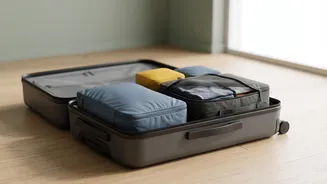
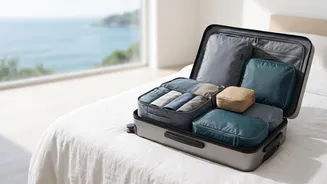
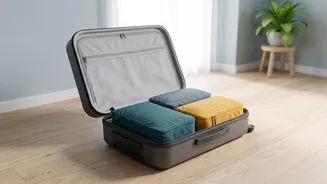
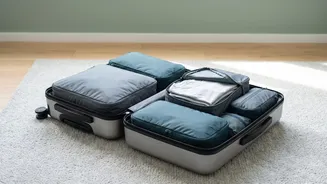
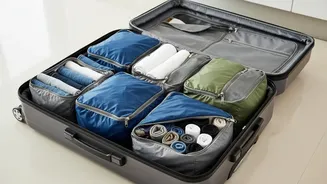
With your items compacted into neat, dense rectangles, packing becomes a game of Tetris. Place the largest and heaviest cubes at the bottom of your suitcase, near the wheels. This helps stabilize your luggage and prevents it from tipping over. Use smaller cubes for underwear, socks, and accessories to fill in the gaps around the larger ones. Don't be afraid to separate pairs of shoes, tucking one into each corner to make the most of every available inch. Items that don't compress well, like stiff jackets or jeans, can be laid flat on top of the cubes before closing your suitcase.
Beyond the Basics: Organization and Other Uses
The benefits of compression cubes extend beyond just saving space. They provide incredible organization. You can categorize your packing by assigning different cubes for tops, bottoms, and undergarments. This system makes finding a specific item effortless without having to dig through your entire suitcase. Many travelers also designate one cube specifically for dirty laundry, keeping soiled clothes separate from clean ones throughout the trip. This makes unpacking and managing laundry when you return home much simpler.
A Few Words of Caution
While compression cubes are a fantastic tool, they aren't without potential downsides. The biggest one to remember is that while they save space, they do not reduce weight. Since you can fit more clothes into your carry-on, it's easier to exceed the airline's weight limit, so a quick check on a scale before you leave is always a good idea. Additionally, while rolling clothes helps minimize wrinkles, excessive compression can still cause them, particularly in delicate fabrics. For business attire or easily creased items, a standard packing cube or a garment folder might be a better choice.