


From Local Loss to National Mission
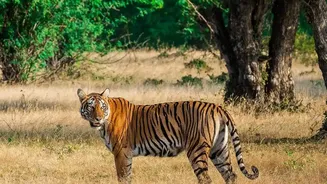
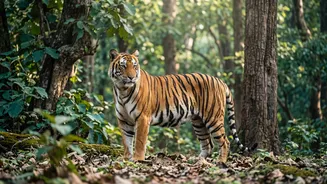
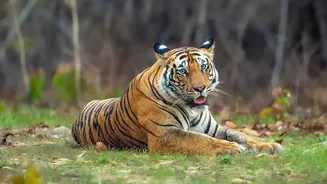
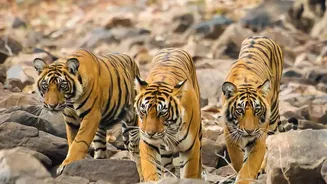
For decades, poaching and habitat loss created a patchwork of forests across India. While some reserves like Corbett and Kanha thrived, others fell silent, losing their tigers to 'local extinction'. Tigers, being territorial, couldn't simply walk back
to these empty forests, which were often cut off by farms, highways, and villages. This created a problem: some parks had a surplus of tigers leading to conflicts, while others had none at all. To solve this, India embarked on what the National Tiger Conservation Authority (NTCA) calls a pioneering scientific endeavour: tiger reintroduction. The goal is to move tigers from thriving populations to these vacant, but suitable, historical habitats to establish new, viable populations.
The Scientific Blueprint for Relocation
Moving a tiger isn't as simple as putting it in a truck. It's a meticulous process guided by strict protocols from the NTCA and the Wildlife Institute of India (WII). First, scientists conduct a feasibility study of the new site. They assess prey density—is there enough food like deer and wild boar? They check water sources and ensure the habitat is large enough to support a breeding population. Genetic compatibility is also crucial. A 2019 WII study, for instance, helped identify distinct genetic clusters among tiger populations, ensuring that translocations don't inadvertently mix deeply separated lineages. Finally, and critically, authorities work to secure the area, which often involves the voluntary and compensated relocation of villages from the core forest to make it an inviolate space for the new arrivals.
The Journey of a Tiger
Once a suitable forest is ready, the search for the right tiger begins. A young, healthy, and genetically appropriate animal is identified. A team of veterinarians and forest officials then tranquilizes the tiger, conducts a health check-up, and fits it with a satellite radio collar. This collar is the key to the entire post-release monitoring phase. The tiger is then transported, sometimes across states, in a specially designed vehicle that manages temperature and stress. A recent example in October 2026 saw a three-year-old tigress, T138, moved from Bihar's Valmiki Tiger Reserve to West Bengal's Buxa Tiger Reserve. Upon arrival, the animal may be kept in a large, fenced 'soft-release' enclosure for a period to acclimatize before the gates are opened to the wider jungle.
Settling In: The Science of Monitoring
The release is just the beginning. The real work starts as teams monitor the tiger's every move via the satellite collar. Field teams and camera traps provide on-the-ground data, helping scientists understand how the tiger is adapting. They track its movement patterns, hunting behaviour, and overall health. This intensive monitoring is vital to ensure the animal establishes a territory and begins hunting successfully. It also provides an early warning if the tiger strays towards human settlements, allowing teams to intervene and prevent potential conflicts. This data-driven approach allows for constant learning and refinement of the reintroduction strategy.
Successes, Failures, and the Path Ahead
India's experience with tiger translocation has seen incredible highs and valuable lessons. The reintroduction of tigers into Sariska and Panna, where the populations had been wiped out, are celebrated as major successes. However, not all projects have gone smoothly. The first attempt in Odisha's Satkosia Tiger Reserve faced challenges with human-wildlife conflict and local opposition, forcing the project to be re-evaluated and the tigress 'Sundari' to be returned. These experiences have reinforced the importance of community involvement and exhaustive habitat preparation. As the program continues, with reserves like Buxa and Rajaji receiving new tigers, the focus remains on careful, science-backed planning to ensure that when a tiger returns to its ancestral home, it is returning for good.