







Understanding Your Fringe Type
Not all fringes are created equal, and their maintenance varies. A thick, blunt fringe requires the most upkeep to maintain its sharp, graphic line, often needing a trim every two to four weeks. Softer styles like curtain bangs or wispy fringes are more
forgiving. Curtain bangs are longer and designed to blend with your face-framing layers as they grow, making them a low-maintenance choice. A wispy or shaggy fringe is intentionally textured, so a bit of extra length can complement the style rather than ruin it. Knowing your fringe type helps you anticipate its growth pattern and how often you'll need to intervene.
Your Essential Toolkit for Home Trims
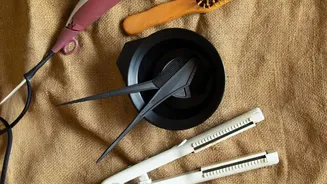
Resist the urge to grab just any pair of scissors. Kitchen shears or craft scissors are not designed for hair and can tear the strands, leading to split ends and an uneven line. Investing in a pair of professional hair-cutting shears is essential for a clean cut. These don't have to be expensive, but they must be sharp. You'll also need a fine-toothed comb to create clean sections and act as a guide, along with clips to hold back the rest of your hair and prevent accidental snips. Some stylists also recommend thinning shears to soften the ends and create a less blunt, more blended finish.
The Art of the Micro-Trim
When it's time to trim, always start with clean, completely dry hair. Hair shrinks as it dries, and cutting it wet is the most common cause of an accidentally-too-short fringe. First, section off your fringe, following the original shape your stylist created, and clip the rest of your hair away. Instead of cutting straight across, which creates a harsh line and leaves no room for error, use a technique called 'point cutting'. Hold the scissors vertically and make small, upward snips into the ends of your hair. This creates a softer, more natural-looking edge. Always cut less than you think you need to; you can always go back and trim more.
Common Mistakes to Avoid
Beyond using the wrong scissors and cutting wet hair, a few other common errors can lead to a fringe disaster. One major mistake is pulling the hair taut while cutting. When you pull your bangs down with tension, they will spring up much shorter once you let go. Let the hair fall naturally as you trim. Another issue is attempting a major restyle. A home trim is for maintenance—to dust the ends and keep the hair out of your eyes. It is not the time to create a whole new shape or try a different style of fringe. For that, it's always best to book an appointment with your stylist.
Styling an Overgrown Fringe
If you're not ready to commit to a trim, you have plenty of styling options. The easiest fix is to change your parting. A deep side-part can sweep a longer fringe out of the way. You can also embrace accessories like clips and headbands. A simple twist or a small braid can secure an awkward-length fringe stylishly. For curtain bangs, using a round brush and a blow dryer to sweep the hair up and away from the face can refresh the shape and add volume. Finally, never underestimate the power of a little dry shampoo at the roots to absorb oil and give your fringe a fresh lift, making it easier to style.