



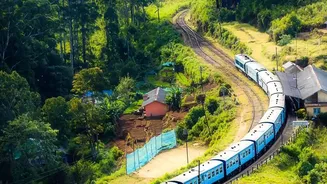


An Unforgettable Experience on a Budget
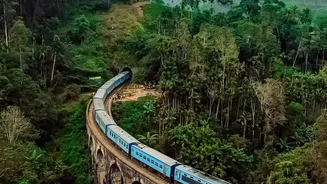
Imagine rumbling along a track just metres from the Indian Ocean, with salty spray misting through the open windows and endless beaches unfolding before you. This isn't a luxury travel ad; it's the reality of Sri Lanka's coastal railway. For solo travelers,
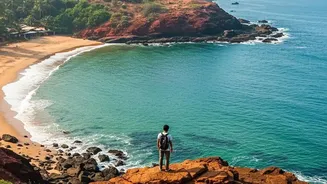
especially from India, it’s an unbeatable combination of breathtaking scenery, authentic local interaction, and incredibly low costs. Journeys that last hours often cost less than a cup of coffee, making it the perfect way to see the country without straining your wallet. The southern coastal line, in particular, is famed for running so close to the water that it feels like you're gliding over the waves. This experience connects you directly to the rhythm of the island, passing through vibrant fishing villages and popular beach towns.
Key Coastal Routes to Explore
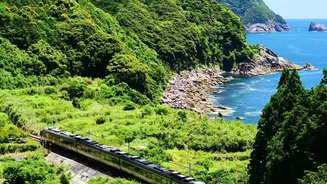
The most celebrated coastal journey is the Southern Line from Colombo to Matara, passing through popular hubs like Galle. This 2.5 to 3-hour ride is the one you’ve likely seen in photos, with the train hugging the shoreline. For the best ocean views when traveling from Colombo to Galle, grab a seat on the right side of the train. Other key coastal routes include the line north from Colombo towards Puttalam, and the eastern line that connects to Trincomalee and Batticaloa, offering a look at a less-traveled part of the island. While the southern route is famous for its beaches, the eastern and northern lines provide a different perspective, showcasing lagoons, plains, and a unique cultural landscape.
Decoding the Ticket System: Classes and Booking
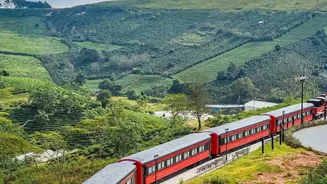
Sri Lankan trains typically offer three classes. First Class has air-conditioning and reserved seats, but the sealed windows can distance you from the experience. Second Class, a favorite among travelers, offers comfortable seats with fans and open windows. It comes in both reserved and unreserved options. Third Class is the most basic and cheapest, with bench-style seating. For a solo traveler, a reserved Second Class seat strikes the perfect balance between comfort and authenticity. Booking tickets can be a challenge. While Sri Lanka Railways has an official online reservation portal, it can be temperamental. Many travelers still buy unreserved tickets at the station on the day of travel. Arrive at least an hour early, especially at major stations like Colombo Fort, as queues can be long. For popular routes, reserved tickets sell out weeks in advance, so planning is key if you want a guaranteed seat.
Visa, Budget, and Practicalities for Indian Travelers
Traveling to Sri Lanka is refreshingly straightforward for Indian citizens. As of 2026, India is one of the countries eligible for a free 30-day double-entry Electronic Travel Authorization (ETA). It's crucial to apply for this online before you travel; don't assume it's a visa-on-arrival. In terms of budget, Sri Lanka is very affordable. Train tickets are exceptionally cheap; a second-class ticket for the Colombo-Galle route might cost only a couple hundred Sri Lankan Rupees. A daily budget for a solo traveler can be as low as $30-$50, covering accommodation, food, and transport. Always carry some local currency (LKR) for small purchases, though cards are accepted in larger establishments.
Safety and Etiquette for the Solo Journey
Sri Lanka is generally a safe country for solo travelers, but it's wise to take standard precautions. When on crowded trains, keep your belongings secure and be aware of your surroundings. Snatching from mopeds can occur, so carry bags on the side away from the road. For solo female travelers, dressing modestly (covering shoulders and knees) away from tourist beach areas is recommended to respect local culture and avoid unwanted attention. Opting for a reserved seat can provide a more comfortable and secure environment than a crowded unreserved carriage. Don’t hesitate to wait for the next train if one seems uncomfortably packed. Local people are generally kind and helpful, but always trust your instincts. Booking your first night's accommodation in a new town in advance is a good practice to avoid arriving after dark without a plan.