







The Fourth Meal Economy is Here
The traditional cycle of breakfast, lunch, and dinner is becoming increasingly fluid for a new generation of Indians. Lifestyle shifts, driven by flexible work hours, late-night entertainment, and the binge-watching culture, have given rise to what marketers
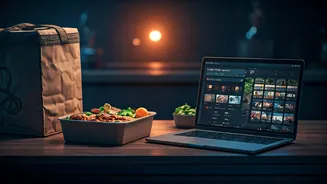
call the “fourth meal.” This post-dinner eating occasion is rapidly expanding, especially in urban centres. Food delivery platforms report that late-night orders are growing significantly faster than traditional meal times. This isn't just about a seasonal spike during sporting events like the World Cup; it reflects a deeper change in daily routines. Younger consumers, in particular, are eating and sleeping later, creating a permanent and lucrative window for the food industry. Restaurants and delivery services are taking note, with many extending their hours to cater to this new 24/7 demand.
From Greasy Spoons to Global Flavours
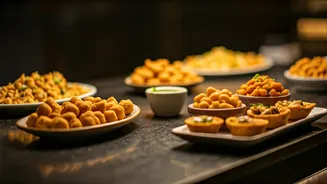
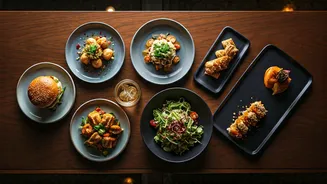
While burgers and pizzas still hold a spot in the late-night hall of fame, the modern palate is far more adventurous. Exposure to global trends through social media and travel has created a demand for variety that goes far beyond American fast food. Diners are now actively seeking out more complex and novel flavours after dark. Trends like Korean, Asian, and regional Indian cuisines are gaining momentum on delivery apps long before they become mainstream restaurant offerings. This explains the rising popularity of everything from spicy chicken rolls and momos to kebabs and biryani in the midnight hours. In cities like Bengaluru, Hyderabad, and Mumbai, these dishes are becoming the new comfort food for night owls.
The Sweet Escape: Desserts Take Centre Stage
One of the most surprising shifts in late-night consumption is the boom in dessert orders. For many, especially Gen Z and millennials, dessert is no longer an afterthought but a meal in itself. Ordering a brownie, a slice of cheesecake, or a tub of ice cream at 1 AM has become a common way to unwind or indulge after a long day. This trend is driven by what experts call “affordable indulgence”; a dessert feels like a satisfying treat that is less excessive than a full meal. The visual nature of platforms like Instagram has also created a phenomenon of “visual craving,” where seeing a delicious-looking dessert online is enough to trigger an order. As a result, ice creams, donuts, and lava cakes are dominating the late-night delivery charts.
A Craving for 'Healthy-ish' Options
Even in the indulgent late-night hours, there is a growing consciousness around health and wellness. While few are looking for a kale salad at 2 AM, there's a definite move towards options that feel balanced and won't leave you feeling regretful the next morning. Consumers increasingly expect healthier choices without sacrificing indulgence. This has opened the door for menus featuring items like whole-grain toast with avocado, protein-rich Greek yogurt with fruit, or even a small baked potato. The goal is to find something that is comforting and satisfying but doesn't feel heavy or overly processed. This search for balance is pushing chefs to think more creatively about their after-hours offerings, moving beyond just deep-fried fare.
Experience is the New Main Ingredient
Ultimately, the evolution of the late-night menu is about more than just food; it's about the entire experience. For younger generations, food has become a form of entertainment and self-expression. A late-night meal is a social currency, something to be shared and discussed. This is why street food markets in cities like Delhi, Mumbai, and Hyderabad continue to thrive, offering not just delicious food but a vibrant, communal atmosphere. Even with home delivery, the choice of what to eat is intentional. Diners want food that feels authentic and tells a story, whether it's a bowl of ramen that tastes like it's from a specialty shop or a fusion dish that blends familiar comforts with exciting new flavours.