

Our Cities are Getting Hotter
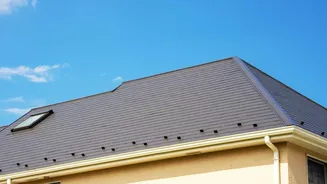
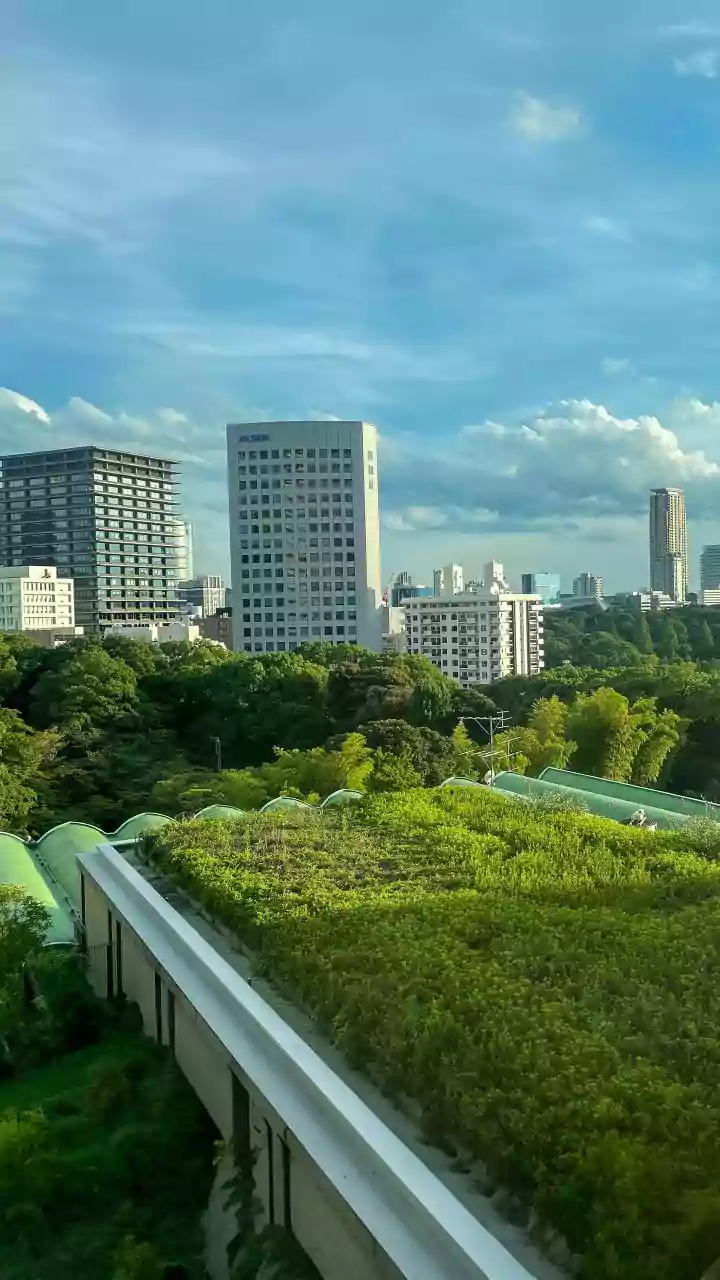
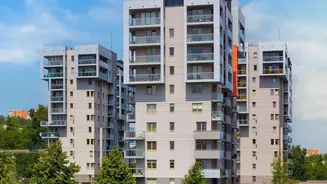
If you feel like your city is getting hotter every year, you're not wrong. This is due to the 'urban heat island effect'. Cities replace natural, green surfaces with concrete, asphalt, and dark rooftops that absorb and trap the sun's heat. This stored
heat is slowly released, keeping urban areas significantly warmer than surrounding rural areas, especially at night. In India, this phenomenon is a growing concern, increasing electricity demand for air conditioning and impacting public health. Tackling this starts right at the source, and one of the biggest culprits is the roof over your head.
The Science of a 'Cool' Roof
Cool-roof paints work on a simple principle: reflecting sunlight instead of absorbing it. Their effectiveness is measured by the Solar Reflectance Index (SRI), a scale from 0 to 100 (and sometimes higher) that combines a surface's ability to reflect sunlight (solar reflectance) and release absorbed heat (thermal emittance). A standard black surface has an SRI close to 0, while a standard white surface is 100. While regular white paint offers some reflectivity, specially formulated cool-roof coatings use advanced pigments to reflect a much larger portion of the sun's radiation, including the invisible infrared light that generates most of the heat. This is why they significantly outperform standard decorative paints.
The Big Question: Do They Really Work?
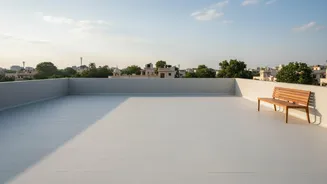
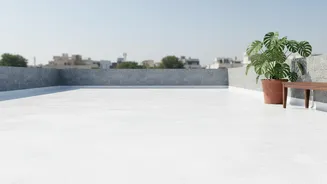
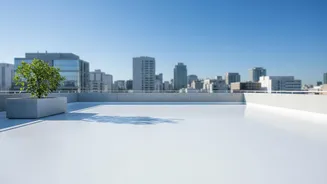
Yes, the impact is measurable and significant. Studies and real-world applications show that a quality cool-roof coating can lower the surface temperature of a terrace by as much as 20°C during peak sun. This drastic reduction on the outside translates to a noticeable drop indoors, with indoor temperatures often decreasing by 3°C to 7°C. For anyone living on the top floor, this is the difference between an uncomfortably hot room and a liveable space. The effect is most pronounced on flat or low-sloped concrete roofs that have direct and prolonged sun exposure, a common feature in Indian urban housing.
Beyond a Cooler Room: The Added Benefits
The advantages of applying a cool-roof paint extend beyond just personal comfort. A cooler home requires less air conditioning, which can lead to energy savings of up to 20%, reducing your monthly electricity bills. By reflecting heat, these coatings also reduce the thermal stress on your roof's structure, protecting it from cracks and deterioration caused by constant expansion and contraction, thereby extending its lifespan. On a larger scale, widespread adoption of cool roofs in a neighbourhood or city can help mitigate the overall urban heat island effect, contributing to a slightly cooler local environment and better air quality.
Choosing and Applying the Right Paint
When selecting a paint, the most important factor to look for is a high Solar Reflectance Index (SRI) value, ideally above 90. Many of these coatings also come with waterproofing or elastomeric properties, which add a layer of protection against leaks during the monsoon season, a huge plus for flat terraces. Proper application is key to effectiveness and longevity. The process starts with thoroughly cleaning the roof surface to remove all dust, debris, and algae. Any existing cracks should be repaired. The paint is then typically applied in two coats, with the second coat applied perpendicular to the first to ensure even and complete coverage. While it can be a DIY project for smaller areas, professional application is recommended for larger roofs to ensure it's done correctly.