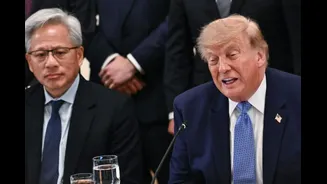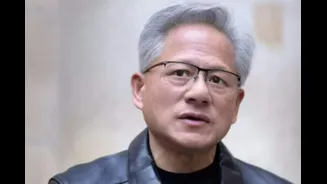






In a stunning turn of events that rocked the tech world, Nvidia CEO Jensen Huang resigned amid a series of scandals, only to be reinstated 11 days later. The whiplash has exposed the company's profound dependence on its founder and put its leadership
succession problem on full display.
A Shocking and Sudden Exit
On November 12, 2026, Nvidia announced that its co-founder and CEO, Jensen Huang, had resigned effective immediately. The departure came in the wake of escalating scandals, including reports of multiple extramarital affairs. One of these relationships allegedly involved a tech executive whom U.S. officials suspected of being a Chinese spy, triggering national security concerns and political pressure. As the news broke, Nvidia’s board appointed Chief Financial Officer Colette Kress as interim CEO and began a search for a permanent successor, while the company's stock value plunged, wiping hundreds of billions of dollars off its market capitalization.
The Irreplaceable Founder
The market's panicked reaction highlighted a long-standing issue known as 'key person risk'. To many investors, analysts, and employees, Jensen Huang is synonymous with Nvidia. Since co-founding the company in 1993, his technical vision and relentless drive transformed it from a niche gaming chip designer into a dominant force in artificial intelligence. Huang was deeply involved in everything from the product roadmap to customer relationships. His unique status was compounded by Nvidia's unusually flat corporate structure and Huang's own past statements that he did not believe in succession planning, leaving no obvious heir apparent to take the reins.
An Unprecedented Reversal
The leadership vacuum proved untenable. In the 11 days following his resignation, pressure mounted on Nvidia's board from all sides. Shareholders, worried about the company's directionless future, revolted. A petition to reinstate Huang drew widespread support, including from thousands of Nvidia employees. Even senior levels of the U.S. government reportedly provided input, assuring the board that his return would not pose a national security risk. Bowing to the immense pressure, the board made the highly unusual decision to unanimously reinstate Huang as CEO on November 23, even as its independent investigation into his conduct remained open.
The Problem That Won't Go Away
While Huang’s return caused Nvidia's stock to rally sharply, the crisis has left a permanent scar. Corporate governance experts have been highly critical of the board's handling of the situation, arguing that the lack of a succession plan effectively allowed the board to be held hostage. The saga demonstrated that Nvidia, one of the world's most consequential companies, had no viable plan for a future without its iconic founder. Analysts point out that restoring the leader does not restore confidence in the company's long-term resilience. The concentration of power and strategy in one individual remains a significant vulnerability.