



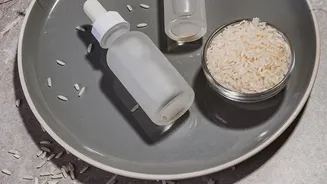
The Viral Elixir Explained
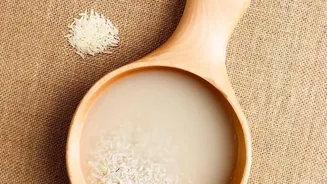
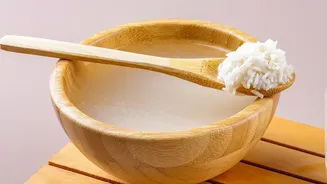
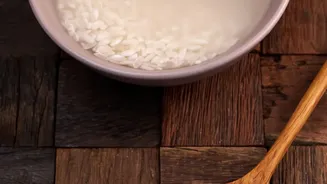
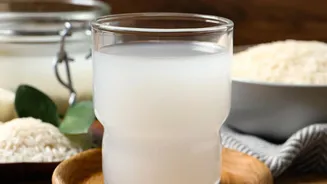
The trend involves soaking rice in water and allowing it to sit at room temperature for one to two days. This fermentation process is believed to enhance the water's nutritional profile, creating a liquid rich in amino acids, vitamins, and antioxidants.
The inspiration often cited is the Red Yao women from China's Huangluo village, who are famous for their exceptionally long, dark hair, which they traditionally wash with fermented rice water. Wellness creators have adopted this ancient practice, preparing the elixir at home and documenting its purported transformative effects on their hair and, more recently, their digestive health.
The Hair Health Claim: Fact or Fiction?
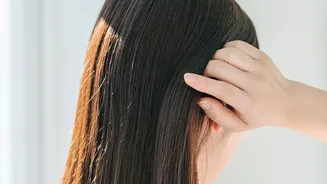
The primary claim for hair is that rice water strengthens strands, enhances shine, and reduces breakage. The science here is mixed but not entirely dismissible. Rice water contains inositol, a carbohydrate that studies suggest can penetrate and remain in the hair shaft, offering a protective effect and reducing surface friction. The fermentation process helps lower the liquid’s pH to be closer to that of hair, which helps seal the cuticle, leading to smoother, shinier strands. It also breaks down rice proteins into smaller amino acids that can temporarily patch up damage. However, dermatologists caution that the evidence is largely anecdotal. There are no major clinical trials proving it accelerates hair growth. Furthermore, DIY preparations can lead to protein overload, making hair stiff and brittle, or disrupt the scalp's pH balance if used too frequently or in high concentrations.
A Gut Feeling: Is It Good for Digestion?
The newer frontier for this trend is ingestion for gut health. The logic is that fermentation creates a probiotic-rich beverage that can diversify the gut microbiome. Fermented foods like yogurt and kimchi are well-known for their digestive benefits. Scientific analysis shows that home-fermented rice water can indeed contain beneficial Lactic Acid Bacteria species like Lactobacillus. Some studies on traditionally prepared fermented rice beverages have noted positive changes in the gut microbiota and improvements in symptoms like bloating for people with IBS. However, this is where the risks become significant. Unlike commercially produced fermented foods, a homemade elixir has no quality control. The process can just as easily cultivate harmful bacteria, leading to foodborne illness. The resulting brew is an unpredictable mix of microbes, and its safety isn't guaranteed.
Potential Risks and What Experts Say
For hair, the risks are relatively low but real. Besides protein overload and potential dryness, some dermatologists warn that the high starch content can pull moisture from certain hair types. For those with skin conditions like eczema, it could cause irritation. When it comes to drinking the elixir, the warnings are much stronger. Gastroenterologists generally advise getting probiotics from regulated sources. Uncontrolled fermentation carries a risk of contamination. Additionally, fermented foods can be high in histamines, which can trigger adverse reactions in sensitive individuals. People with conditions like Small Intestinal Bacterial Overgrowth (SIBO) or compromised immune systems are advised to avoid such homemade concoctions entirely.
The Bottom Line: Should You Try It?
So, is this wellness trend worth the effort? For your hair, using a diluted rice water rinse is likely a low-risk experiment that might improve shine and texture, but don't expect it to be a miracle growth serum. Experts suggest that if you do try it, pay close attention to how your hair responds and avoid overuse. As for drinking fermented rice water, the expert consensus is clear: the potential risks outweigh the unproven benefits. While the science behind probiotics is robust, a DIY ferment is an unreliable and potentially unsafe source. Stick to commercially available, safety-tested fermented foods like kefir, yogurt, and kimchi to support your gut health.