




Decoding Saturated vs. Unsaturated Fats
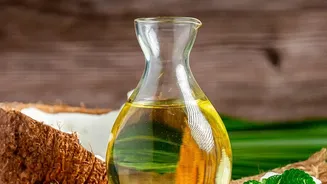
At a basic level, fats are divided into two main categories: saturated and unsaturated. Saturated fats, which are solid at room temperature, are commonly found in foods like ghee, butter, coconut oil, and red meat. For years, they have been linked to an increased
risk of heart disease. Unsaturated fats, typically liquid at room temperature, are found in vegetable oils like mustard, groundnut, and sunflower oil, as well as in nuts and fish. These are generally considered heart-protective. The key difference lies in their chemical structure, which affects how your body processes them and, ultimately, their impact on your heart health.
Understanding Your Lipid Profile
When a doctor talks about your heart health, they often refer to your lipid profile. This is a blood test that measures the amount of specific fats, or lipids, in your bloodstream. The main components are LDL (low-density lipoprotein), HDL (high-density lipoprotein), and triglycerides. LDL is often called 'bad' cholesterol because high levels can lead to a buildup of plaque in your arteries, a condition known as atherosclerosis. HDL is the 'good' cholesterol, as it helps remove excess cholesterol from your system. High triglycerides, another type of fat in your blood, also contribute to increased heart disease risk. A healthy lipid profile has low LDL and triglyceride levels and a high HDL level.
The Impact of Swapping Fats
Scientific evidence consistently shows that replacing saturated fats with unsaturated fats, particularly polyunsaturated fats (PUFAs), has a beneficial effect on lipid profiles. This simple swap can significantly lower LDL cholesterol levels. When LDL is reduced, the risk of plaque formation in the arteries decreases, which in turn lowers the risk of heart attack and stroke. It's not about eliminating fat entirely—fats are crucial for absorbing vitamins and providing energy. The goal is to shift the balance away from saturated fats and towards healthier, unsaturated alternatives.
Choosing the Right Cooking Oil for Indian Kitchens
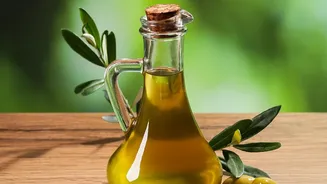
In the context of Indian cooking, the choice of oil is crucial. Traditional fats like ghee and coconut oil are high in saturated fats. While ghee contains fat-soluble vitamins and coconut oil has medium-chain triglycerides (MCTs), they should be used in moderation. Cardiologists often recommend oils rich in monounsaturated fats (MUFAs) and polyunsaturated fats (PUFAs). Mustard oil is a popular choice as it is low in saturated fat and has a healthy ratio of omega-6 to omega-3 fatty acids. Groundnut oil and rice bran oil are also considered good options. The key is not to demonise any single oil but to use a variety in moderation and choose the right oil for the cooking method, as some oils are more stable at high heat than others.
Beyond Oil: A Holistic Approach
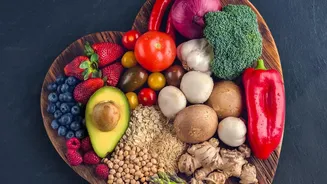
While choosing the right cooking oil is a significant step, overall dietary patterns matter more than any single ingredient. Indian dietary guidelines recommend moderate use of edible oils and a minimum of ghee or butter. A heart-healthy diet is rich in fruits, vegetables, whole grains, and legumes, with limited intake of processed foods that are high in salt, sugar, and unhealthy fats. Rather than fixating on one 'super oil', experts suggest rotating different oils to get a balanced mix of fatty acids. For instance, you could use mustard oil for tempering and sautéing, and a different cold-pressed oil for dressings. This balanced approach, combined with regular physical activity, is the most effective strategy for maintaining a healthy lipid profile and protecting your heart for the long run.