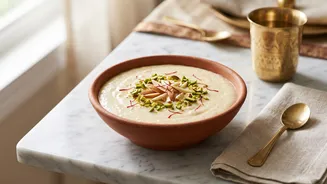





As the warmth of Diwali fades, the gentle, heartfelt festival of Bhai Dooj arrives, celebrating the unique bond between siblings. At the heart of this celebration is the 'mooh meetha' moment, and one sweet often chosen is Moong Dal Halwa.
A Tradition Steeped in Sweetness
Bhai Dooj, also
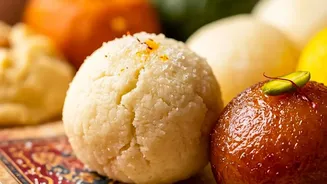
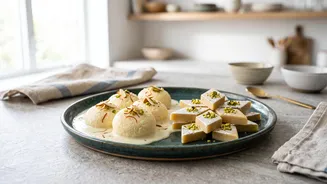
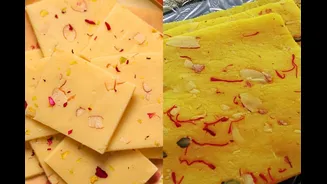
known as Bhau Beej, Bhai Tika, or Bhai Phonta across different parts of India, is a festival that concludes the five-day-long Diwali celebrations. The ritual is simple yet profound: a sister applies a tilak on her brother's forehead, performs an aarti, and prays for his long life and well-being. In return, the brother pledges to protect her and offers a gift. Central to this ceremony is the act of sharing sweets, which symbolises love, good wishes, and the sweetness of the sibling relationship. While an array of sweets like Kaju Katli, Gulab Jamun, and Besan Ladoo are popular, the choice of a homemade sweet carries a special weight.
The Golden Appeal of Moong Dal Halwa
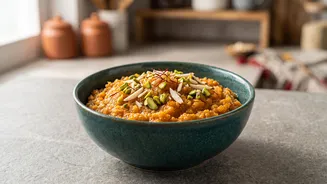
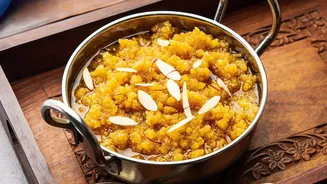
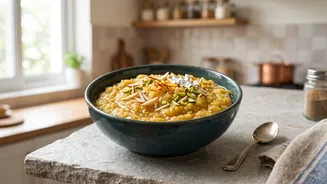
Moong Dal Halwa is a classic dessert, particularly beloved in North India, with roots often traced back to Rajasthan. Made from yellow moong dal (split and husked green gram), pure ghee, sugar, and milk, it's a dish renowned for its rich, grainy texture and deep, nutty aroma. Unlike many other sweets, it is not quickly assembled. It is a labour of love that requires patience and constant stirring, as the lentil paste is slow-roasted in ghee until it turns a glorious golden brown and releases its characteristic fragrance. This slow-cooking process, which can be time-intensive, is part of what makes the dish so special; the effort itself is an expression of affection.
A Comforting Choice for the Season
The timing of Bhai Dooj, falling at the onset of winter in North India, is another reason for Moong Dal Halwa's popularity. It is traditionally considered a warming dessert. The combination of lentils, generous amounts of ghee, and nuts provides richness and energy, making it a comforting and nourishing treat as the weather turns cooler. This quality makes it not just a festive indulgence but also a practical, seasonal dish that families have enjoyed for generations to stay warm.
The Wisdom of Ayurveda
In Ayurveda, moong dal is highly esteemed and often called the 'queen of pulses'. It is considered one of the easiest lentils to digest, producing the least gas, which makes it a gentle yet nourishing food. After the rich and often heavy feasting during the main Diwali days, a sweet made from moong dal is seen as a more balanced choice. Ayurvedic principles value moong dal for its ability to balance kapha and pitta doshas, and it's considered a 'sattvic' food that brings happiness and clarity. Its high fibre content supports digestive health, and it's packed with nutrients like protein, iron, and potassium. Therefore, choosing Moong Dal Halwa can be seen as a thoughtful way to offer a delicious treat that is also relatively wholesome.
More Than a Dessert, It's a Memory
For many, the scent of moong dal roasting in ghee evokes powerful memories of childhood, festivals, and family gatherings. Preparing it at home, rather than buying from a shop, adds a personal touch that is deeply appreciated. It’s a way for sisters to pour their care and effort into a tangible, delicious form. The process of grinding the soaked dal, the rhythmic stirring, and the final garnish of nuts are all part of a ritual that goes beyond just cooking. It’s a continuation of tradition, a passing down of family recipes, and a reaffirmation of the special bond that Bhai Dooj celebrates.