



The Challenge of Post-Monsoon Heat
The end of the monsoon season is often met with relief, but the weather that follows presents its own unique challenges. This period is characterized by soaring temperatures combined with high humidity. This humid heat is particularly dangerous because
it hampers your body's primary cooling mechanism: sweating. When the air is already saturated with moisture, your sweat cannot evaporate efficiently from your skin. As a result, your body struggles to cool down, causing your internal temperature to rise and leading to profuse sweating that doesn't provide relief. This intense fluid loss is the first step toward a number of heat-related health issues.
What Exactly Are Heat Cramps?
Heat cramps are sharp, involuntary and painful muscle spasms that can occur during or after intense activity in hot weather. They commonly affect the calves, thighs, and abdomen. Crucially, these cramps are more than just a nuisance; they are one of the first warning signs of a heat-related illness. They signal that your body is struggling to cope with the heat and has lost a significant amount of essential nutrients through sweat. Ignoring them can lead to more serious conditions like heat exhaustion and even life-threatening heatstroke.
The Critical Role of Electrolytes
When you sweat heavily, you don't just lose water; you also lose vital minerals called electrolytes. These include sodium, potassium, calcium, and magnesium. Electrolytes are essential for many of the body's functions, carrying the electrical signals that control nerve impulses and muscle contractions. They are fundamental for maintaining proper fluid balance, nerve function, and muscle health. When you lose too many electrolytes through sweat, this delicate balance is disrupted, which can lead to your muscles contracting uncontrollably and failing to relax, resulting in painful cramps.
Why Plain Water Isn't Always the Answer
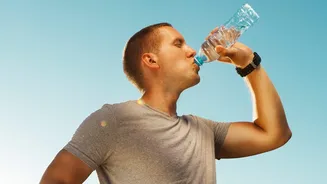
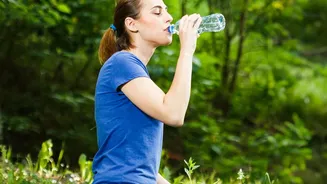
After sweating excessively, reaching for a large bottle of plain water might seem like the most logical thing to do. However, it can sometimes make the situation worse. Drinking large volumes of plain water can further dilute the concentration of electrolytes remaining in your body. This imbalance, especially low sodium levels, can actually increase the likelihood of muscle cramps. Your body needs a balance of both fluids and the electrolytes lost in sweat to properly rehydrate and allow your muscles to function correctly. This is why simply drinking water might not be enough to prevent cramps in hot, humid conditions.
A Smart Guide to Electrolyte Hydration
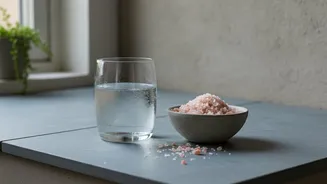
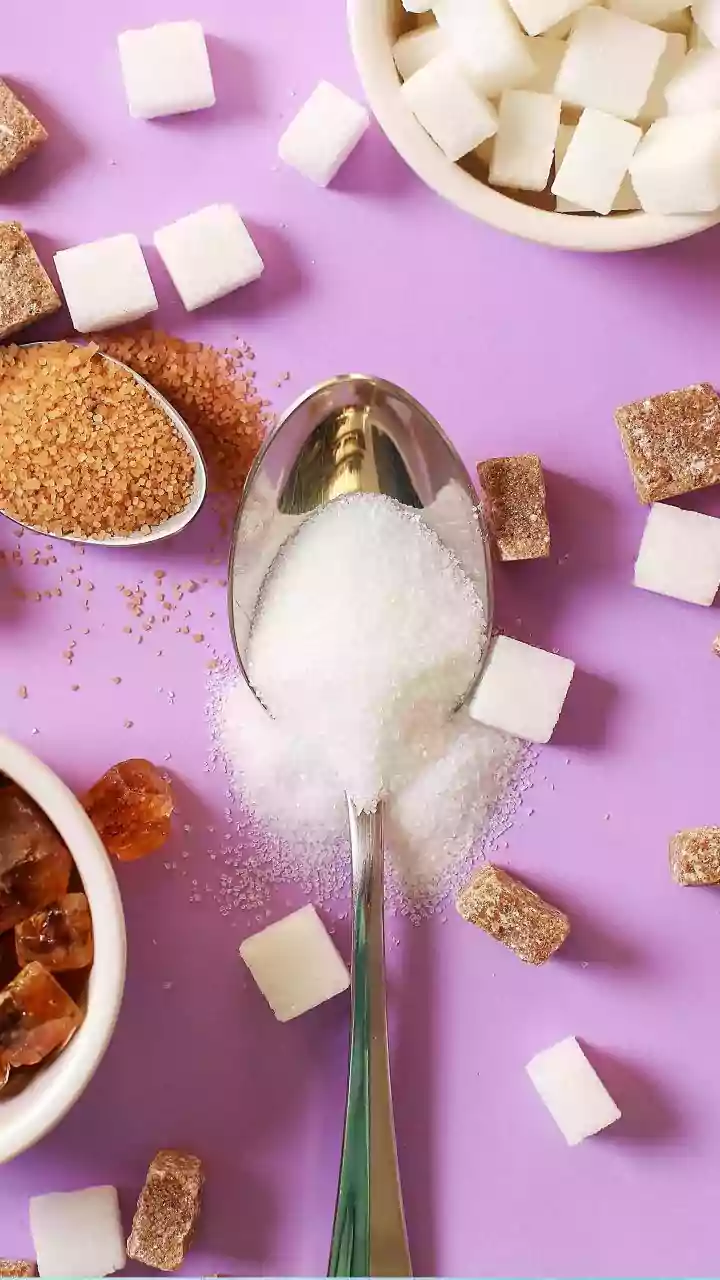
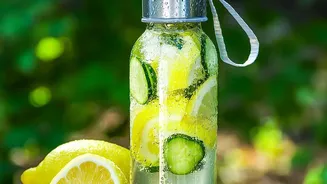
To effectively prevent heat cramps, your hydration strategy must focus on replenishing both water and electrolytes. You don't always need to buy expensive sports drinks. Natural options are highly effective. Coconut water is an excellent source of potassium. Bananas, oranges, and leafy green vegetables are also rich in essential electrolytes. For a simple and effective homemade solution, you can create your own oral rehydration solution (ORS) by mixing a small amount of salt and sugar into a litre of water. This helps your body absorb the fluid and replace lost sodium. Commercial sports drinks can be useful, especially during prolonged or intense exertion, but look for low-sugar options to avoid unnecessary calories.
Beyond the Bottle: Other Prevention Tips
While smart hydration is key, other preventative measures can protect you during the post-monsoon heat. Try to avoid strenuous outdoor activity during the hottest parts of the day, typically between 10 a.m. and 6 p.m. If you must be outside, take frequent breaks in the shade to allow your body to cool down. Wear light, loose-fitting clothing made of breathable fabrics to help sweat evaporate more effectively. Finally, listen to your body. If you start to feel muscle twitches, which can be a precursor to full-blown cramps, it's a clear signal to stop, get into a cooler environment, and rehydrate with an electrolyte-rich fluid immediately.