

The Snake Plant: Sculptural and Self-Sufficient
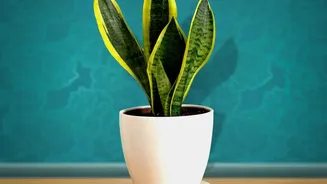
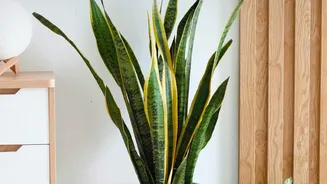
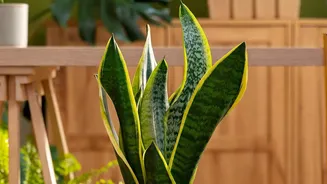
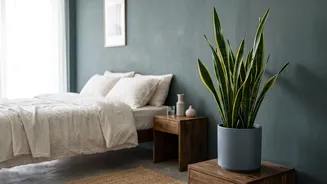
The Snake Plant, also known as Sansevieria or Mother-in-Law’s Tongue, is a champion of easy-care indoor gardening. Its stiff, upright leaves provide a modern, architectural look that works wonders in small spaces because it grows vertically rather than
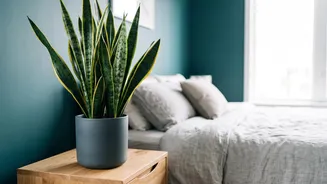
outwards. This makes it perfect for a narrow corner or beside a dresser where floor space is precious. Beyond its striking appearance, the Snake Plant is famously resilient. It thrives in a wide range of lighting conditions, from bright, indirect light to lower-light areas, making it suitable for bedrooms that may not get consistent sun. Its water needs are minimal; it prefers its soil to dry out completely between waterings, so forgetting a week or two is perfectly fine. This tolerance for neglect makes it an ideal companion for busy individuals or first-time plant owners.
The Peace Lily: Elegant and Expressive
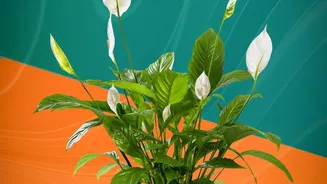
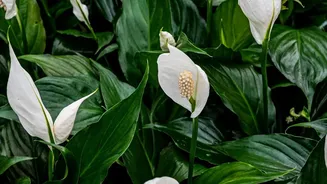
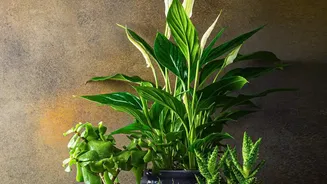
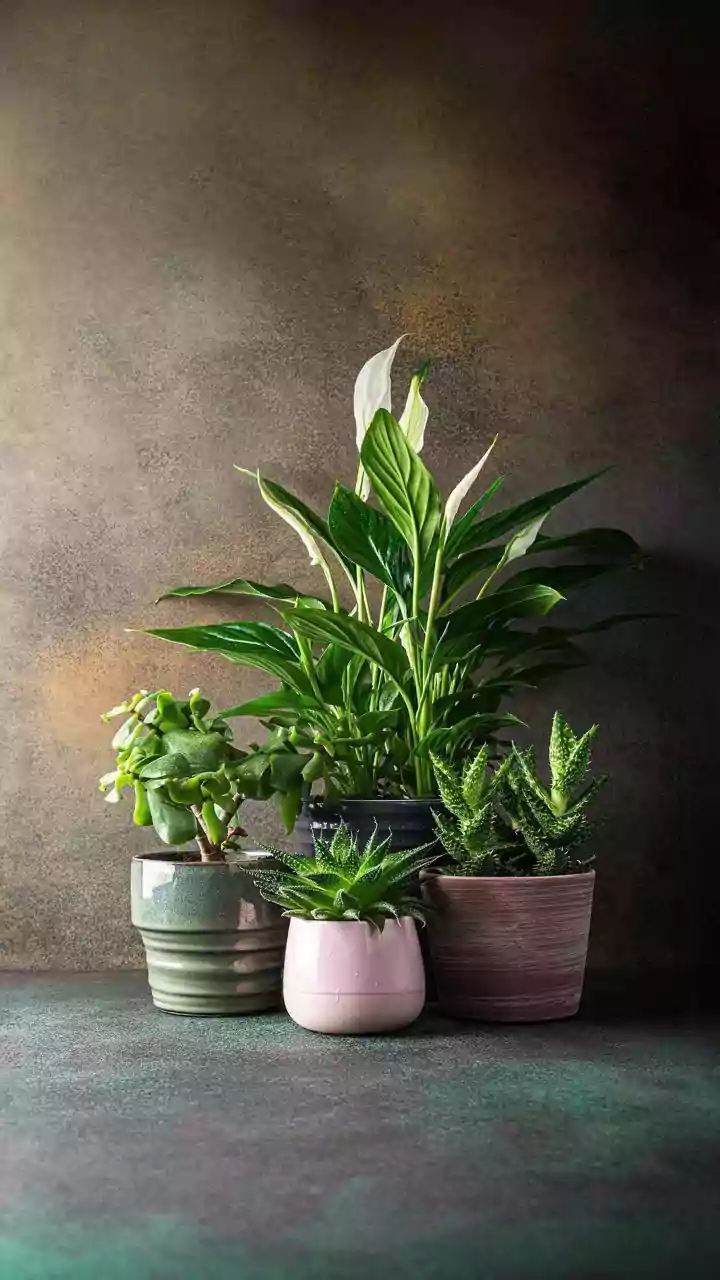
The Peace Lily, or Spathiphyllum, offers a softer aesthetic with its glossy, dark green leaves and elegant white blooms that look like flags of peace. These plants are also well-suited for smaller rooms, typically growing to a manageable size that fits comfortably on a nightstand or a small plant stand. One of the Peace Lily's most endearing qualities is its expressiveness; it visibly droops when it needs water, taking the guesswork out of its care routine and bouncing back quickly once hydrated. It prefers bright, indirect light but is famously tolerant of lower-light conditions, even being known to survive in offices with only fluorescent lighting. For those looking to add a touch of humidity to a dry room, the Peace Lily helps by releasing moisture into the air.
The Air Quality Question: Myth vs. Reality
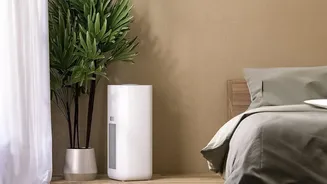
Both plants are often celebrated for their air-purifying abilities, a claim that originates from a 1989 NASA study. This research found that certain houseplants could remove volatile organic compounds (VOCs) like formaldehyde and benzene from sealed chambers. Snake Plants were noted for their ability to release oxygen at night, making them a popular bedroom choice. Peace Lilies were also found to be effective at filtering several common toxins. However, it's important to have realistic expectations. Subsequent analyses have clarified that the NASA study was conducted in a small, sealed environment, which doesn't reflect the conditions of a typical home with natural ventilation. To significantly purify the air in a room, you would need an impractically large number of plants—some estimates suggest anywhere from 10 to 1,000 plants per square meter. While your single Snake Plant or Peace Lily won't replace an air purifier, they do contribute modestly to a healthier indoor ecosystem alongside other benefits like boosting mood and adding humidity.
Styling for Small Bedroom Spaces
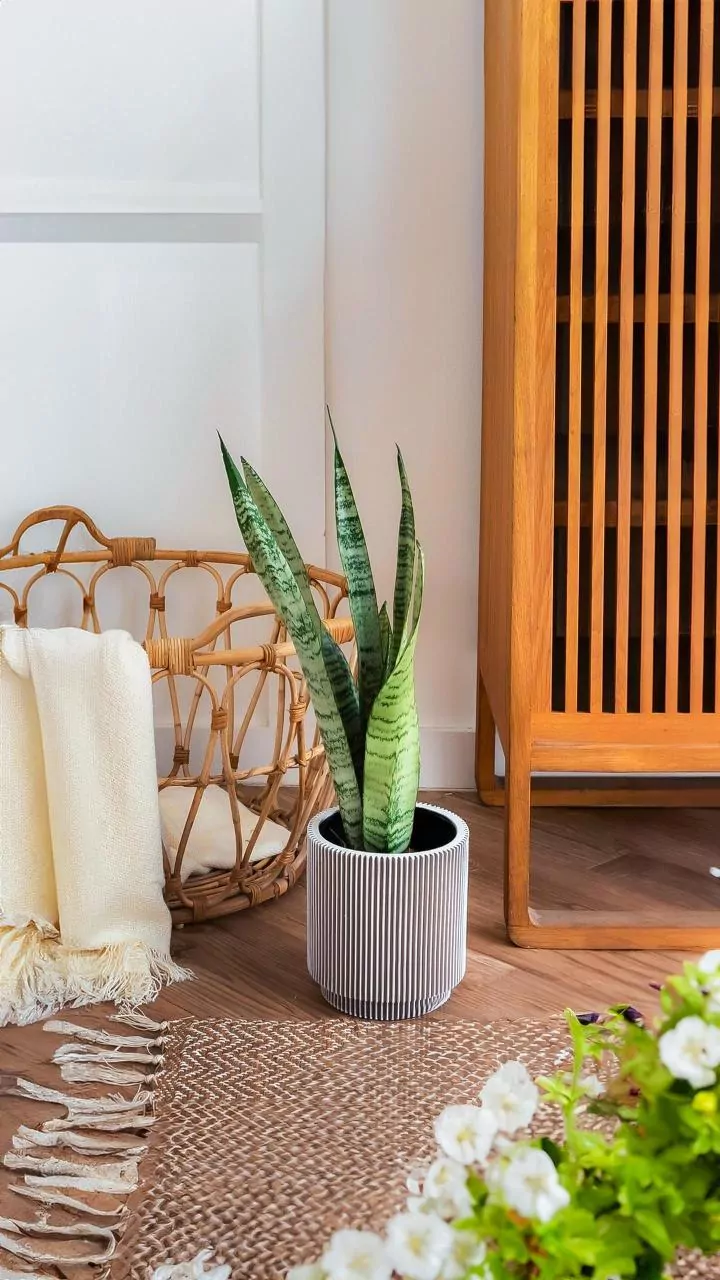
The key to incorporating plants into a small bedroom is choosing the right plant for the right spot. The Snake Plant's upward growth makes it an excellent floor plant that doesn't eat into your living area. Place it in a stylish pot in a corner or next to a window. Its various cultivars, some of which are more compact, can also work on shelves or broader windowsills. The Peace Lily, with its graceful arching leaves, can soften the hard lines of furniture. It works beautifully on a desk, a dresser, or a dedicated plant stand where its foliage and flowers can be appreciated. Because it can handle lower light, it offers more flexibility for placement away from a direct window. Grouping a couple of smaller plants together can also create a lush focal point without demanding too much space.