

Beyond the Usual Suspects
Indian vegetarian cuisine is one of the most sophisticated and diverse culinary traditions in the world. Yet, it is often reduced to a handful of dishes that, while delicious, represent only a fraction of what the subcontinent has to offer. Designing
a memorable vegetarian menu is not just about listing recipes; it's about telling a story of geography, history, and culture. It requires moving past the Punjabi-centric fare that dominates many restaurant menus and venturing into the distinct culinary worlds of the south, east, west, and northeast. From the coconut-laced stews of Kerala to the complex spice blends of Bengal and the rustic, hardy meals of Rajasthan, the possibilities are endless. The goal is to create a symphony of tastes and textures that surprises and delights the palate.
The Art of Six Tastes
A foundational concept in Indian culinary philosophy, particularly in Ayurveda, is 'Shadrasa', or the six tastes: sweet, sour, salty, bitter, pungent, and astringent. A truly balanced meal incorporates all six, ensuring not only a complex flavour profile but also a sense of complete satisfaction. This ancient wisdom is the perfect framework for menu design. When planning your dishes, think about how they fit together. A sweet and sour Gujarati dal can be balanced by a bitter vegetable preparation like Bengali 'Shukto', which often features bitter gourd. A pungent Rajasthani 'Gatte ki Sabzi' (gram flour dumplings in a spicy yogurt curry) could be complemented by a cooling cucumber raita. This interplay prevents palate fatigue and turns a simple meal into a holistic experience.
A Culinary Tour Through the Regions
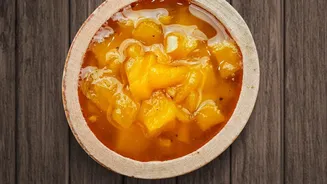
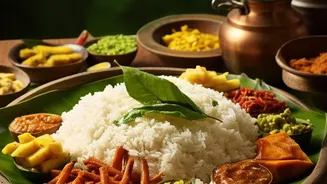
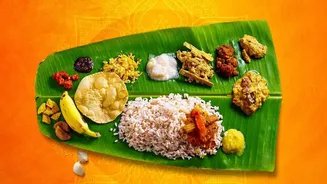
The heart of a diverse menu lies in regional specialisation. Instead of a generic 'mixed vegetable' curry, feature specific regional preparations. From South India, consider 'Avial', a thick medley of vegetables in a coconut and yogurt sauce from Kerala, or 'Adai', a protein-rich lentil pancake from Tamil Nadu served with a side of mixed vegetables. The West offers a treasure trove of flavours. Gujarat's 'Undhiyu' is a masterful winter vegetable casserole, slow-cooked in an earthenware pot. Rajasthan provides 'Dal Baati Churma', a hearty combination of baked wheat balls, a mix of lentils, and a sweet crumble. From the East, Bengal’s vegetarian cuisine is subtle and refined. Dishes like 'Potoler Dolma' (stuffed pointed gourd) or 'Dhokar Dalna' (cakes of fermented chana dal in a gravy) showcase unique techniques and ingredients.
Treasures from the Northeast
The cuisine of Northeast India remains one of the country's best-kept secrets and offers a fantastic opportunity to introduce unique flavours. While often meat-centric, the region has a robust vegetarian tradition. Assam's 'Aloo Pitika' (mashed potatoes with mustard oil, onion, and chilli) is a simple but flavourful side. In states like Sikkim and Manipur, you can find vegetarian versions of 'Thukpa' (noodle soup) and creative uses of bamboo shoots and fermented greens. Dishes like Manipur's 'Sana Thongpa', a paneer and green bean curry cooked in milk, offer a delicate and aromatic alternative to the heavier paneer dishes of the north. Including even one or two such dishes can set a menu apart and provide a genuine journey of discovery for diners.
Curating the Complete Experience
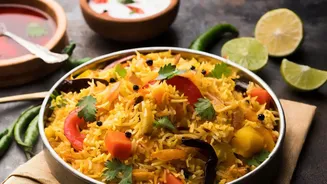
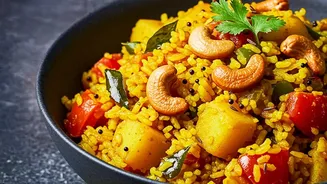
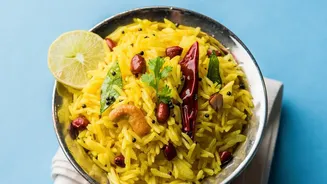
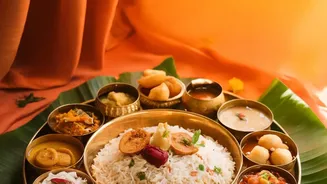
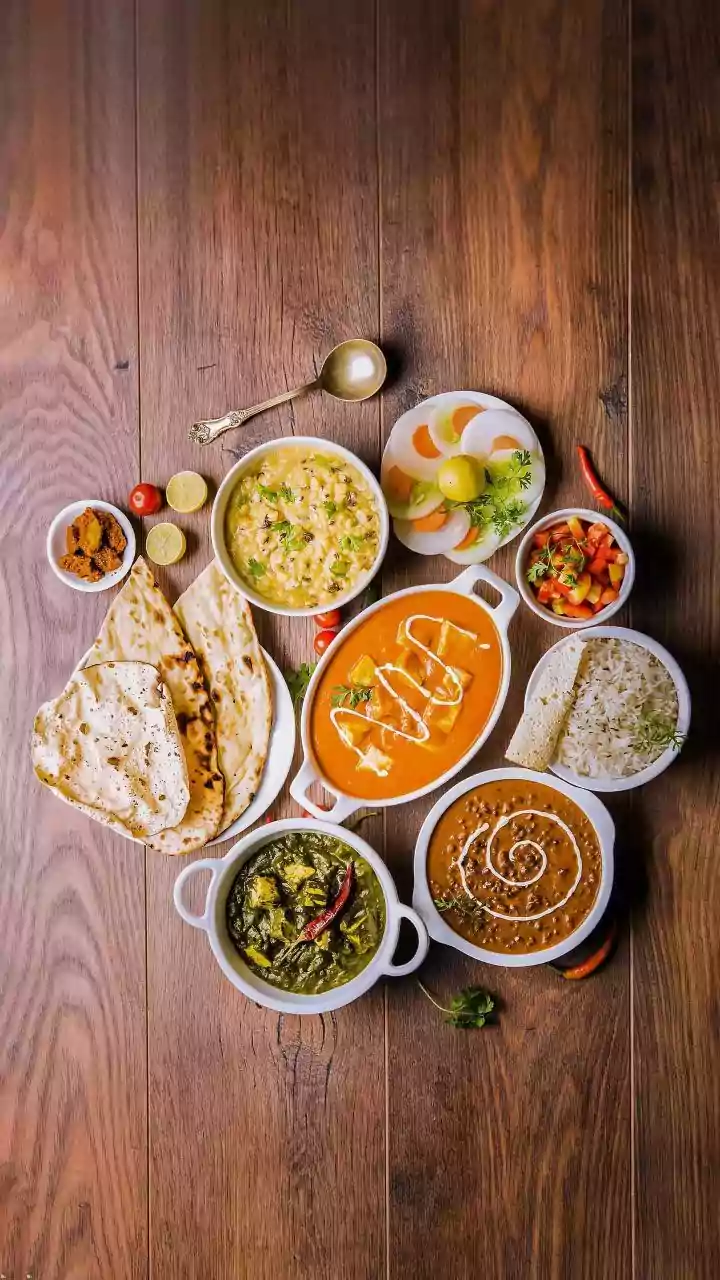
Structuring the menu is the final step. Think in terms of a complete meal. Start with light, crisp appetisers that awaken the palate—perhaps 'Khandvi' rolls from Gujarat or 'Masala Vada' from the South. For the main course, aim for variety in cooking methods and bases. Pair a creamy, 'wet' curry like 'Avial' with a 'dry' vegetable stir-fry ('poriyal'). Include a lentil dish, a vegetable-centric hero, and perhaps a special rice preparation like a Bengali 'Basanti Pulao' or a tangy 'Pulihora' from Andhra. Offer a variety of breads beyond naan, such as the flaky 'Luchi' from Bengal or millet-based rotis from Rajasthan. By balancing regions, flavours, textures, and cooking styles, you create more than just a list of dishes—you create a cohesive and exciting culinary narrative.