




The Rhythm of the Monsoon
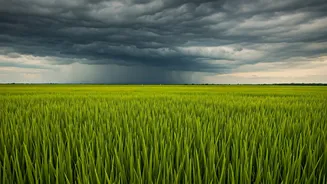
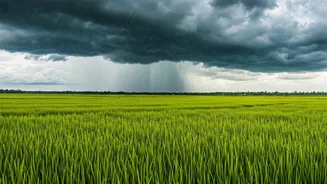
The Kharif season is intrinsically linked to the southwest monsoon. The name "Kharif" itself has Arabic origins, meaning "autumn," which is when the crops are harvested. Sowing for these monsoon crops typically begins in June and July with the onset of
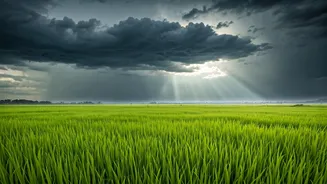
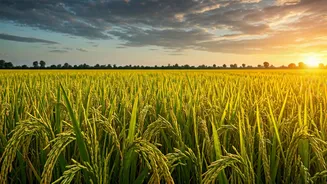
the rains. These plants require the hot, wet, and humid conditions that the Indian monsoon provides to germinate and grow. The growing period lasts through the rainiest months, and harvesting begins from late September through October. This cycle makes the performance of the monsoon a critical factor determining the success of the Kharif harvest, which in turn impacts everything from rural incomes to national food security.
Why the Kharif Season Matters to Everyone
Even if you don't own a farm, the Kharif season profoundly affects your life. This season is the backbone of India's food production system, contributing the largest share of the country's annual food grain production. It provides food, income, and employment to a vast portion of the population, especially in rural areas. A successful Kharif harvest helps keep food prices stable and inflation in check. The season's output is a major contributor to India's GDP and determines the health of the agricultural economy, which supports numerous other industries, from textiles (cotton) to food processing. In essence, a good Kharif season fuels the nation's economic engine and ensures food is available and affordable for over a billion people.
The Stars of the Season: Key Kharif Crops
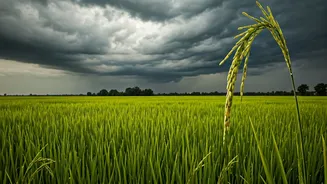
The Kharif season brings a diverse array of crops. The undisputed king is paddy (rice), a staple food for a majority of Indians, with its kharif cultivation accounting for most of the country's total rice production. Other important cereals include maize (corn), jowar (sorghum), and bajra (pearl millet), which are vital for both human consumption and animal feed. The season is also crucial for pulses like arhar (tur), moong, and urad, which are important sources of protein. Furthermore, valuable cash crops known as commercial crops are sown during this time, including cotton, often called "white gold," which fuels the textile industry, and oilseeds like soybean and groundnut that are critical for India's edible oil supply.
The 2026 Outlook: A Season of Uncertainty
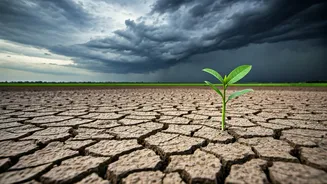
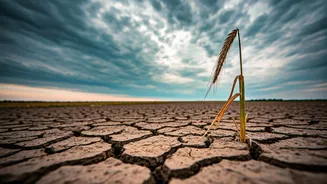
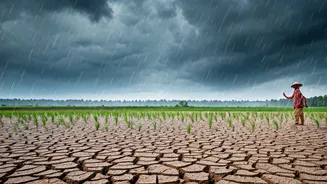
The 2026 Kharif season has begun on a note of caution. June saw a significant rainfall deficit of around 40%, making it one of the driest in recent years and delaying sowing in many parts of the country. As of late June, overall sowing was down by about 22.7% compared to the previous year, with significant lags in oilseeds, cotton, pulses, and rice. The India Meteorological Department (IMD) has attributed the weak start to the developing El Niño phenomenon and has forecast a "below normal" monsoon for July 2026. While reservoir levels provided some initial cushion, the poor rainfall has raised concerns. However, forecasters expect the monsoon to become more active in early July, which could help sowing activities pick up pace.
Support Systems for a Challenging Season
To protect farmers from market volatility and the uncertainties of the monsoon, the government has several support mechanisms in place. The most prominent is the Minimum Support Price (MSP), a guaranteed price at which the government purchases crops if market rates fall too low. For the 2026-27 Kharif season, the government has already announced an increase in MSP for 14 crops, including paddy, pulses, and oilseeds, to ensure remunerative returns for farmers. These prices are set at least 1.5 times the cost of production. Such policies aim to provide income security to farmers, encourage crop diversification, and maintain the nation's food security, especially in challenging years.