
Why Humidity Wreaks Havoc on Your Skin
When the air is heavy with moisture, your skin's sebaceous glands are triggered to produce more oil, or sebum. This excess oil, combined with sweat that doesn't evaporate as quickly, creates a perfect environment for dirt and bacteria to get trapped in your pores.
The result is a cycle of inflammation, clogged pores, blackheads, and acne breakouts that seem to pop up overnight. This is especially common for those who already have oily or acne-prone skin, but anyone can experience these flare-ups during particularly humid spells. Understanding this connection is the first step toward building an effective defence.
Start with a Gentle, Purifying Cleanse
The foundation of any good humid-weather routine is proper cleansing. It’s crucial to wash your face twice a day to remove the build-up of sweat, oil, and grime. However, avoid the temptation to use harsh, stripping cleansers. Over-cleansing can damage your skin's protective barrier, ironically causing it to produce even more oil to compensate. Instead, opt for a gentle, soap-free foaming or gel cleanser. Look for natural ingredients with antimicrobial properties, like neem, which is excellent for keeping breakouts at bay without being overly aggressive. Using a mild cleanser ensures your skin is clean but not stripped of its essential moisture.
Exfoliate Gently to Unclog Pores
With excess oil and dead skin cells accumulating, exfoliation becomes a key step to prevent clogged pores. But aggressive scrubbing can cause micro-tears and irritation, making inflammation worse. Instead of harsh physical scrubs, consider a gentle chemical exfoliant containing ingredients like salicylic acid. Salicylic acid works by dissolving the oil and debris deep within the pores. For a more natural physical option, a mild scrub with finely milled particles like papaya or apricot can be used once or twice a week to slough away dead skin without causing damage.
Tone and Hydrate with Lightweight Layers
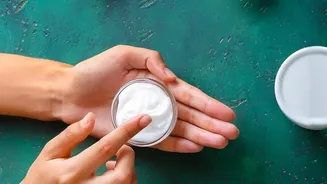
One of the biggest mistakes people make in humid weather is skipping moisturizer, fearing it will make their skin greasier. In reality, all skin types need hydration. Dehydrated skin often produces more oil to make up for the lack of moisture. The secret is to choose the right kind of product. Switch from heavy creams to lightweight, water-based or gel-based moisturizers that are labelled "non-comedogenic," meaning they won't clog pores. Before moisturizing, a few swipes of an alcohol-free toner can help remove any last traces of impurities and rebalance your skin's pH. Look for toners with natural astringents like witch hazel or calming ingredients like green tea.
Target Breakouts with Natural Allies
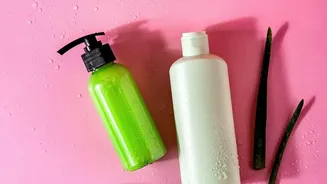
When a pimple does appear, you can turn to natural ingredients for effective spot treatments. Tea tree oil is renowned for its antibacterial and anti-inflammatory properties, which can help reduce the size and redness of a breakout. Always dilute it with a carrier oil like coconut or jojoba before applying. Another powerful natural remedy is a clay mask. Using a mask with kaolin or bentonite clay once a week can help draw out excess oil and impurities from your pores, keeping your complexion clear and balanced. Ingredients like aloe vera and turmeric are also excellent for soothing inflammation and promoting healing.
Never Skip Sunscreen, Even When It's Cloudy
It’s a common myth that you don’t need sunscreen on cloudy or rainy days. However, up to 80 percent of the sun’s harmful UV rays can penetrate through clouds, causing skin damage and worsening post-acne marks. Protecting your skin is a year-round job. For humid weather, the key is finding a sunscreen that feels comfortable and won't contribute to clogged pores. Look for a lightweight, oil-free, gel-based formula with an SPF of 30 or higher. Consistent sun protection not only prevents sun damage but also helps acne scars fade faster.