





The Invisible Brain Behind Your Order
When you place a food order, a complex chain of events is set in motion, and AI is the invisible conductor. The most immediate impact is on logistics. AI algorithms analyse real-time traffic data, weather conditions, and order volumes to calculate the most efficient
delivery routes. This not only reduces delivery times, ensuring your food arrives hotter and fresher, but also optimises fuel consumption for delivery partners. Major Indian platforms like Swiggy and Zomato have heavily invested in this technology to streamline their operations. The estimated time of arrival you see on your screen is no longer a rough guess; it’s a sophisticated prediction powered by machine learning that constantly refines its accuracy with every order completed. This operational efficiency is the foundational layer upon which new customer expectations are being built.
Smarter Kitchens and Fresher Food
AI's influence extends beyond the road and into the restaurant kitchen itself. One of the biggest challenges for restaurants is managing inventory and predicting demand, which often leads to food waste or running out of popular dishes. AI-powered forecasting tools analyse historical sales data, seasonality, local events, and even weather patterns to predict how much of each ingredient a restaurant will need. This helps kitchens prepare the right amount of food, reducing waste and ensuring your favourite items are in stock. Some systems can even automate reordering when supplies run low. This efficiency translates into cost savings for restaurants and a more reliable and sustainable experience for customers, who are less likely to be disappointed by an unavailable dish.
A Menu That Knows You
Perhaps the most noticeable change for users is the shift towards hyper-personalisation. Food delivery apps are moving away from generic recommendations and towards creating a unique experience for every user. By analysing your past orders, search history, time of day, and even stated dietary preferences, AI can suggest meals you're likely to enjoy. Zomato has introduced a personalised AI assistant that can answer conversational queries like suggesting high-protein meals, while Swiggy’s ‘What to Eat’ feature uses AI to explain its recommendations. This goes beyond just showing you restaurants you've ordered from before; it’s about understanding your cravings and dietary goals to present a curated list of options, turning the app from a simple utility into a personal food discovery tool.
The Next Frontier: Robots and Automation
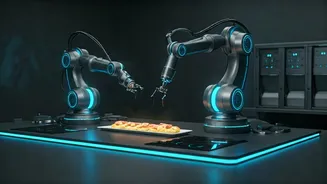
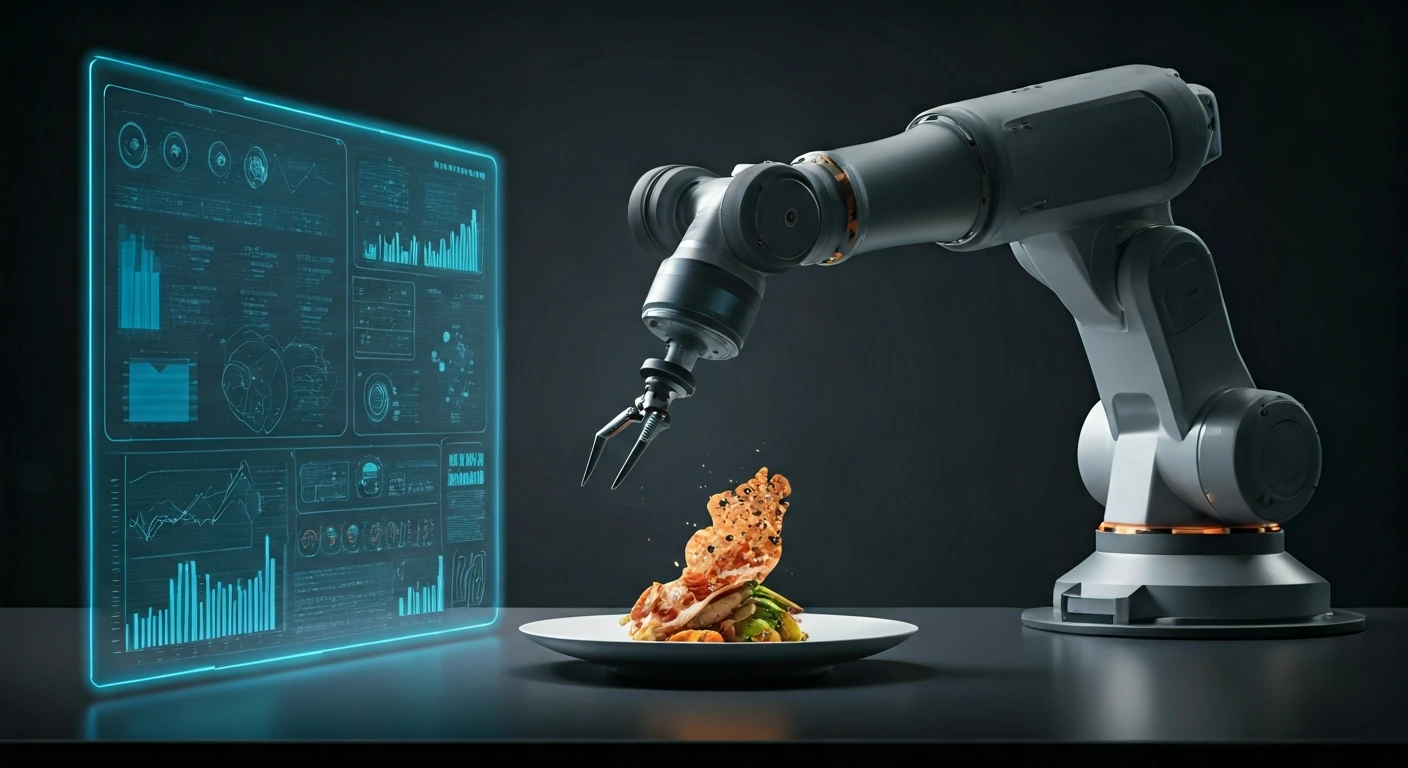
Looking ahead, the role of AI is set to become even more visible. While widespread drone delivery in dense Indian cities faces significant hurdles, robotic automation is already entering the picture. Some restaurants in India have begun experimenting with robotic servers to deliver food to tables, freeing up human staff to focus on customer interaction. In the kitchen, AI-powered robots are being developed that can handle repetitive tasks like chopping and cooking, ensuring consistency and speed. Bangalore-based Nosh Robotics, for example, has introduced an AI-powered robo-chef for home use. As these technologies mature, we may see more automated 'cloud kitchens' dedicated entirely to delivery, further optimising the speed and cost of meal preparation.
The Human Role in an AI-Powered World
The increasing integration of AI naturally raises questions about the future of human jobs in the food service industry. While AI can automate routine tasks, the industry consensus is that it will augment, not entirely replace, the human workforce. AI-driven chatbots can handle basic customer queries, allowing human agents to focus on more complex issues. Similarly, delivery route optimisation helps riders complete more deliveries efficiently. In restaurants, automation can handle repetitive kitchen tasks, allowing chefs to focus on creativity and quality control. The expectation is that AI will handle the logistics and data-crunching, while humans will continue to provide the crucial elements of hospitality, creativity, and nuanced customer service that technology cannot replicate.