
A Touch of Kutch in the Concrete Jungle
In the world of interior design, where minimalism often reigns, a delightful trend is taking hold. It is earthy, intricate, and deeply rooted in Indian heritage. Lippan Kam, the traditional mud and mirror work from the Kutch region of Gujarat, is moving
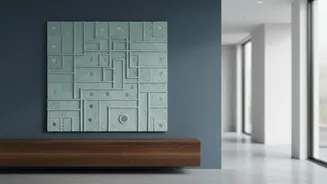
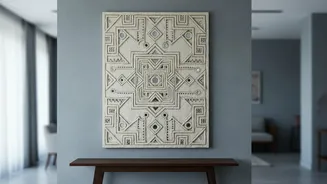
from the walls of rural circular huts, or 'bhungas', into the heart of urban apartments. Homeowners and designers are increasingly drawn to its unique three-dimensional texture and the gentle sparkle of its embedded mirrors, known as 'aabhla'. This art form offers a tactile and soulful counterpoint to the sleek, often impersonal, surfaces of modern city living, allowing people to weave a piece of history and craftsmanship into their personal spaces.
What Exactly Is Lippan Kam?
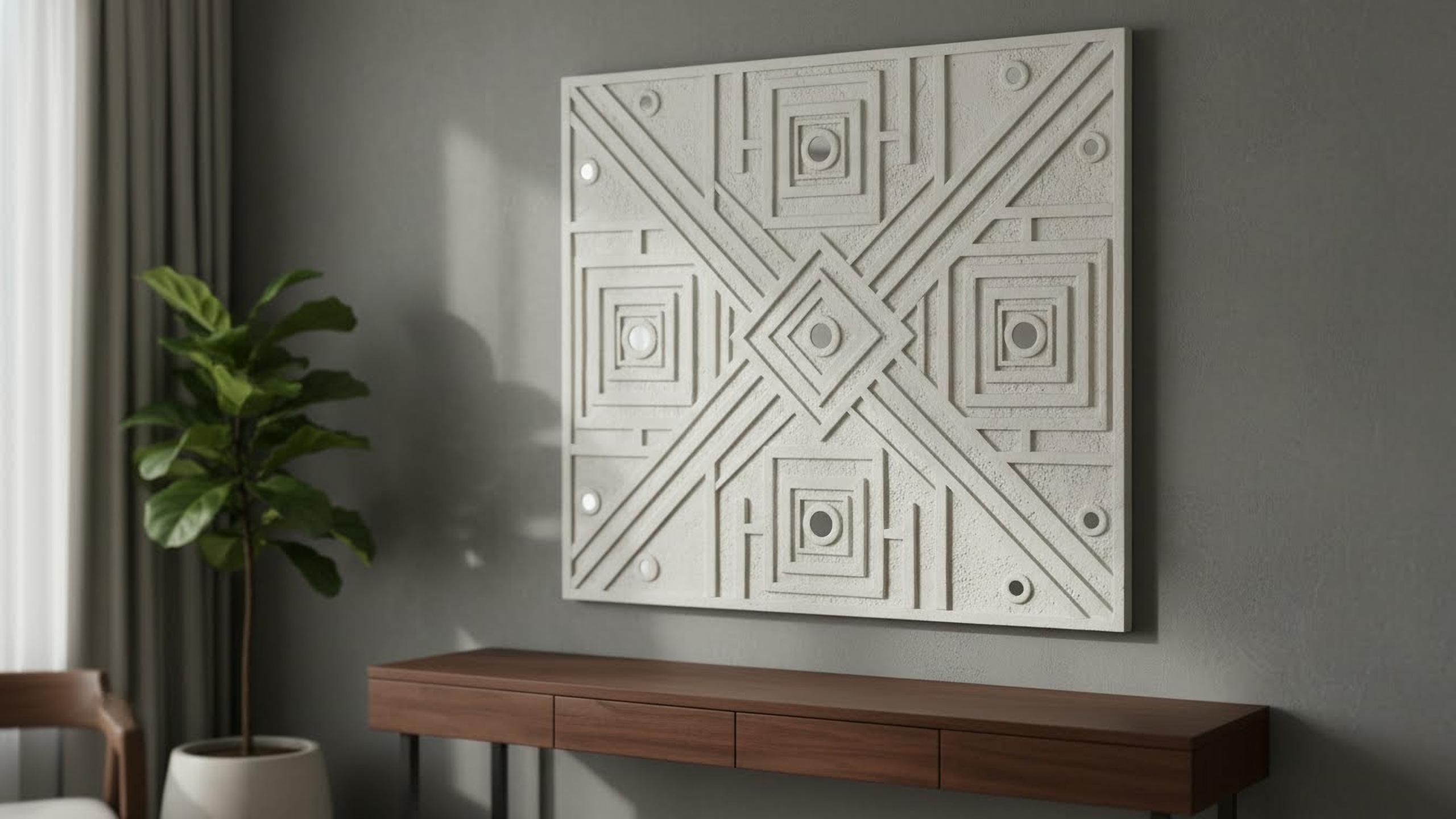
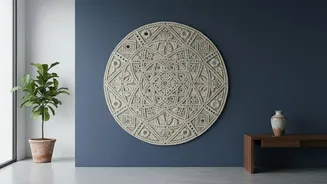
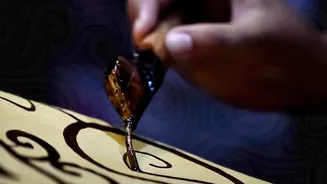
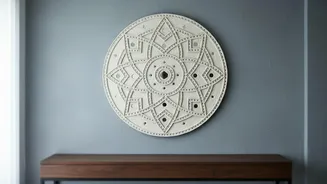
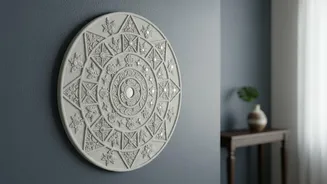
At its core, Lippan Kam—also called mud mirror work or Chittar Kaam—is a form of relief mural art. The name itself comes from the local Gujarati word 'Lippan', which means 'to apply' or 'plaster'. This points to its humble origins as a functional building practice rather than a purely decorative one. The process involves creating a dough, traditionally from a mixture of clay and animal dung (often from camels or horses), which is then applied to a surface, typically a wall. Artisans sculpt intricate patterns by hand, embedding small pieces of mirror into the wet clay. The result is a stunning interplay between the rustic, matte finish of the mud and the reflective brilliance of the mirrors.
From Humble Huts to High-Rise Homes
The history of Lippan art is woven into the lives of the pastoral and nomadic communities of Kutch, such as the Rabari, Mutwa, and Kumbhar people. For centuries, it was primarily the women of these communities who decorated the walls of their mud homes. This was not just for beauty but also for practicality. The thick mud-dung mixture provided natural insulation, keeping the interiors cool in the harsh desert summers and warm in winter. The mirrors served a dual purpose: they scattered the scarce light from lamps into the room and were also believed to ward off the evil eye. What began as a domestic, communal activity has now transitioned into a celebrated art form with global appeal.
The Art of Creation: Evolving Materials
The traditional method of Lippan art relies on materials sourced directly from the local environment. However, as the art form has migrated into urban homes, the materials have adapted. To make the art portable and more durable for different climates, artists today often work on MDF boards or plywood instead of walls. The traditional mud and dung mixture is frequently replaced with ceramic powder, chalk powder, or various types of clay mixed with adhesives to prevent cracking and improve longevity. While traditionalists might use natural white clay for the finish, modern iterations often feature a vibrant palette of acrylic paints, allowing the art to be customised for any contemporary decor scheme.
Modern Motifs and Lasting Appeal
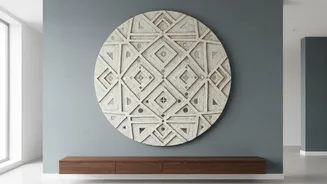
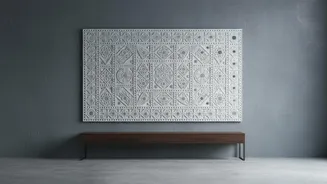
The motifs in Lippan Kam are inspired by the artisans' surroundings, faith, and daily life. Traditional designs often feature peacocks, camels, elephants, and flowers, alongside intricate geometric patterns that are a hallmark of Islamic-influenced art in the region. While these classic motifs remain popular, contemporary artists are also experimenting with more abstract designs and minimalist patterns. This evolution is key to Lippan Kam's growing popularity. It allows the art to feel both timeless and current. By bringing a Lippan art piece into a modern apartment, one is not just hanging a decoration; they are embracing a story of resilience, ingenuity, and the enduring beauty of Indian craftsmanship.