








What Is B12 and Why Does It Matter?
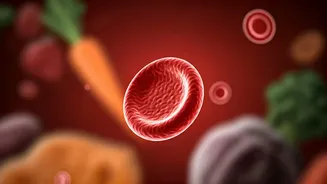
Vitamin B12, also known as cobalamin, is a crucial nutrient that your body can't produce on its own. It's essential for several vital functions, including the formation of healthy red blood cells, the proper functioning of your nervous system, and the synthesis
of your DNA. When you don't get enough, it can lead to a type of anemia and a range of neurological issues. Think of it as the unseen worker that keeps your body’s electrical wiring and oxygen delivery system running smoothly.
The Vegetarian B12 Gap
The primary challenge for vegetarians is that Vitamin B12 is almost exclusively found in animal-derived products like meat, fish, eggs, and dairy. Plants don't make B12. While lacto-ovo vegetarians can get some B12 from dairy products and eggs, the amounts can be variable and may not always be sufficient. For vegans, the risk of deficiency is significantly higher as their diet naturally contains virtually no B12. Studies have shown that deficiency rates are considerably higher in vegetarian and vegan populations compared to meat-eaters.
Recognising the Symptoms
A B12 deficiency often develops gradually, and its symptoms can be subtle and easily dismissed. The most common sign is fatigue and weakness, as low B12 impacts the production of oxygen-carrying red blood cells. Other physical symptoms can include a sore tongue, mouth ulcers, pale or yellowish skin, and shortness of breath. Neurological signs are particularly concerning and can include a pins-and-needles sensation in the hands and feet, memory problems, brain fog, irritability, and difficulty with balance. If left untreated, some of these neurological changes can become irreversible.
Fortify Your Diet: Vegetarian B12 Sources
For vegetarians, the most reliable sources of B12 are dairy products and eggs. A glass of milk or a cup of yogurt can provide a significant portion of your daily needs. However, relying on these alone may not be enough. This is where fortified foods become your best friend. In India, many common foods are now fortified with B12, including breakfast cereals, plant-based milks like soy and almond milk, and nutritional yeast. Nutritional yeast, in particular, is a versatile, cheesy-tasting powder that can be sprinkled over many dishes. Always check the label to ensure the product is fortified with B12.
The Role of Supplements
For many vegetarians and almost all vegans, supplementation is the most reliable way to prevent a deficiency. While the recommended daily amount for adults is about 2.4 micrograms (mcg), absorption from supplements is complex. A common strategy is to take a higher dose less frequently, such as 2500 mcg once a week, or a smaller daily dose of around 100-250 mcg. Supplements are available in various forms, including tablets, sprays, and liquids. It's a simple and effective insurance policy to ensure your body gets what it needs.