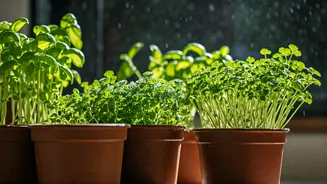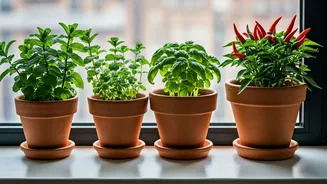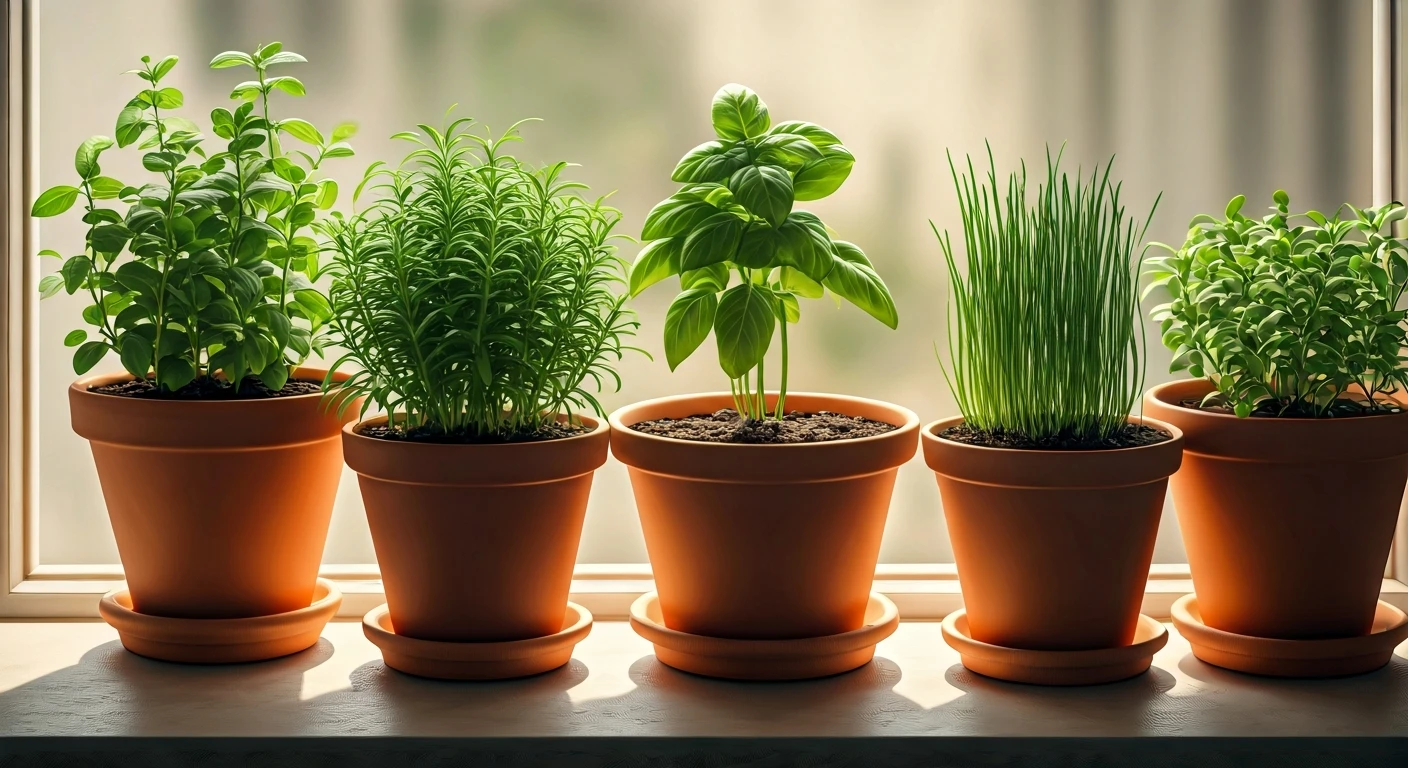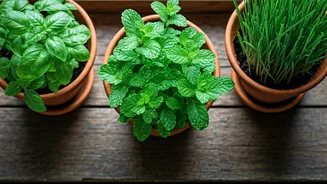




Mint (Pudina)
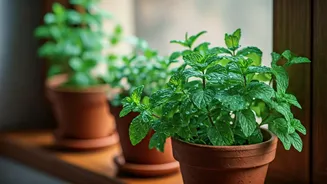
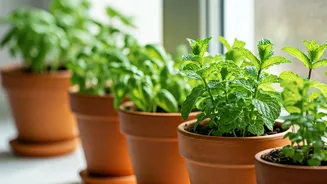
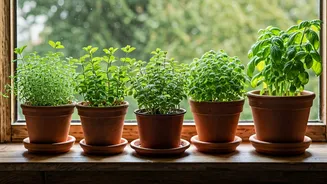
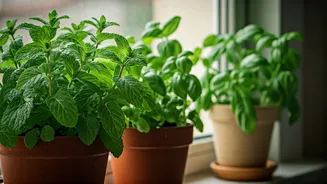
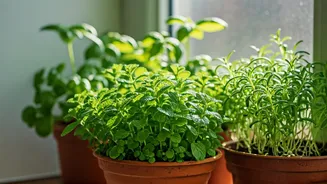
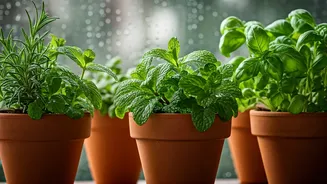
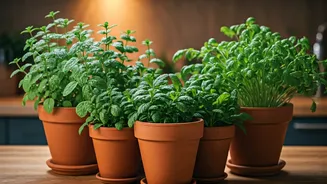
Arguably the easiest and most rewarding herb for beginners, mint flourishes in the damp, humid conditions of the monsoon. This fast-growing plant is renowned for its resilience and ability to spread, making it perfect for a pot where its growth can be contained.
For best results, plant a few stem cuttings from a healthy mint bunch in a wide, shallow pot with good drainage. Mint prefers moist soil but dislikes being waterlogged, so water only when the top layer feels dry. It thrives in indirect or partial sunlight, making a spot near an east-facing window ideal. Within weeks, you'll have a lush supply of fresh pudina for your chutneys, raitas, and refreshing beverages. Regular trimming will encourage the plant to grow bushier and more productive.
Tulsi (Holy Basil)
A staple in many Indian households for its spiritual and medicinal value, Tulsi loves the warm, humid weather that the monsoon provides. However, it is susceptible to root rot if left in waterlogged soil. The key to a thriving Tulsi plant during the rains is ensuring excellent drainage. Use a pot with plenty of drainage holes and consider adding a layer of gravel at the bottom. A potting mix of loamy soil and cocopeat works well. Place your Tulsi where it can receive at least four to six hours of sunlight, even if it's the filtered light of an overcast day. Protect it from heavy, continuous downpours by moving it to a sheltered spot. Be vigilant for common monsoon pests and trim any yellowing or decaying leaves to keep the plant healthy and encourage new growth.
Coriander (Dhania)
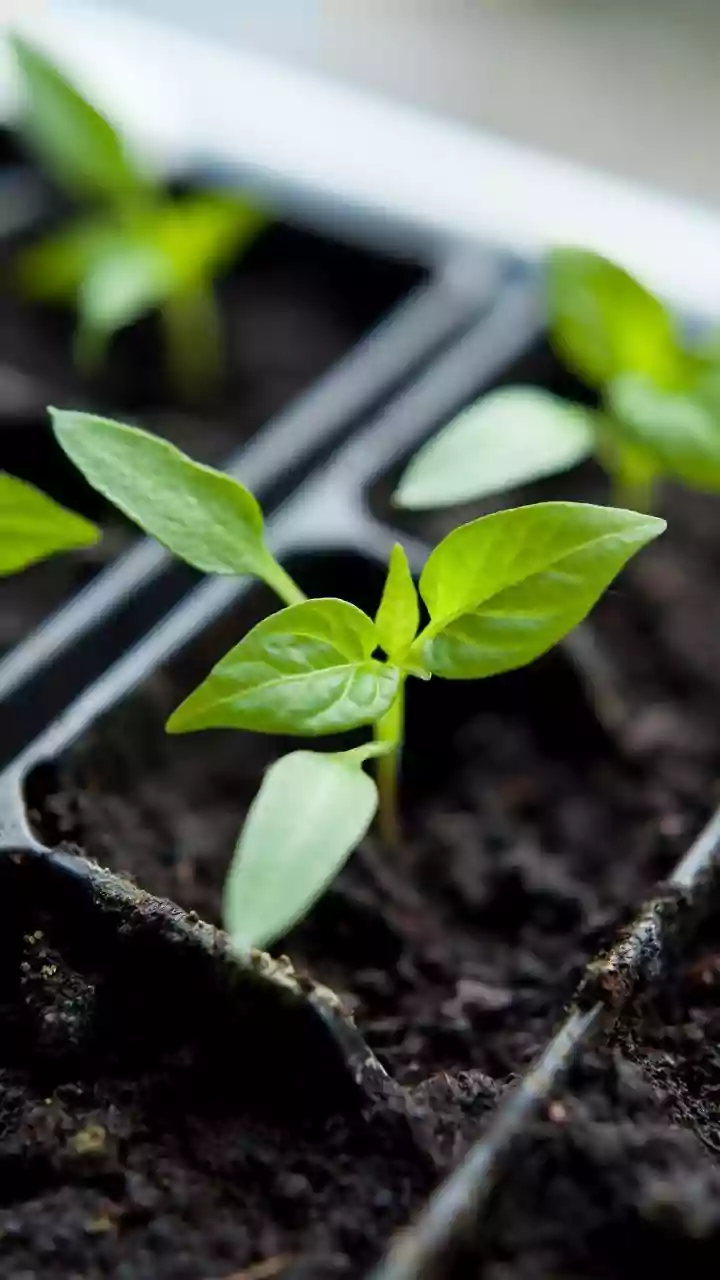
No Indian kitchen is complete without fresh coriander, and the monsoon is an excellent time to grow it. The cooler temperatures and high humidity help this fragrant herb thrive. To start, lightly crush whole coriander seeds and soak them overnight to speed up germination. Sow the seeds in a container that is at least six inches deep to accommodate its taproots. Use a light, well-draining soil mix of garden soil, compost, and a bit of sand or cocopeat. Coriander does best with partial or filtered sunlight, as intense sun can cause it to flower prematurely. Water carefully, keeping the soil moist but not soggy. You can begin harvesting the leaves in just three to four weeks, once the plant is a few inches tall. For a continuous supply all season, sow a new batch of seeds every couple of weeks.
Lemongrass
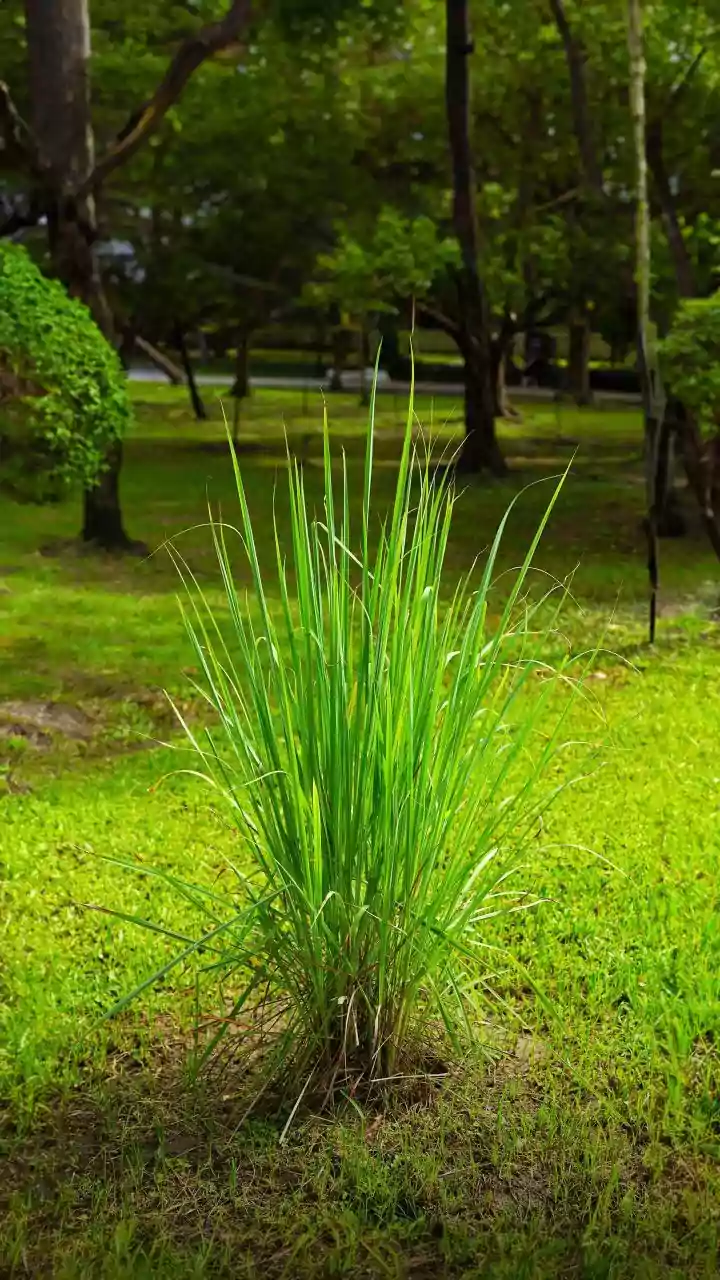
The refreshing, citrusy aroma of lemongrass is a wonderful addition to any monsoon kitchen, perfect for flavouring teas and soups. This herb thrives in the humid weather and ample moisture of the rainy season. You can easily grow it by planting stalks purchased from the market. Choose fresh stalks with the bulbous base intact and place them in a glass of water for a week or two until roots begin to sprout. Once rooted, plant them in a spacious pot to give the roots room to spread. Lemongrass loves sunlight, so a spot near a sunny window is ideal. It also prefers consistently moist soil, so it's well-suited to the monsoon climate. Regular harvesting by snipping the stalks close to the base will encourage the plant to produce more fragrant leaves for your culinary experiments.