




Why the Monsoon Messes with Digestion
The rainy season creates a perfect storm for digestive issues. High humidity can slow down our metabolism, making the body work harder to digest food. This leads to feelings of heaviness, bloating, and general discomfort. Furthermore, the monsoon is a peak
time for water and food contamination, increasing the risk of infections that can wreak havoc on your gut. It’s a time when our digestive fire, or 'jatharagni' as described in Ayurveda, naturally weakens, making it harder to process meals that we might handle easily in other seasons. Many people experience a noticeable shift, from a lower appetite to more frequent acidity or constipation.
The Ancient Magic of Fermentation
Long before we had refrigerators, our ancestors used fermentation to preserve food. This natural process involves beneficial microorganisms, like bacteria and yeast, breaking down sugars in food to create substances like lactic acid. This acid acts as a natural preservative, preventing spoilage and the growth of harmful bacteria. But fermentation does more than just extend shelf life; it transforms the food itself. It creates complex new flavours, enhances the availability of vitamins and minerals, and, most importantly, cultivates a rich ecosystem of live, beneficial bacteria.
Meet Probiotics: Your Gut's Best Friends
Those beneficial bacteria created during fermentation are known as probiotics. Think of your gut as a bustling community of trillions of microbes, both good and bad. Probiotics are the 'good guys' that help maintain a healthy balance. They support digestion by helping to break down food, improve nutrient absorption, and can alleviate common issues like bloating and gas. A healthy gut microbiome doesn't just impact digestion; it's crucial for a strong immune system, as it helps protect the gut wall and fend off infections.
Traditional Probiotic Powerhouses
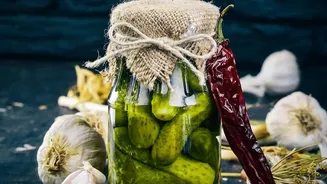
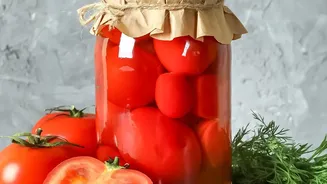
Indian culinary traditions are filled with probiotic-rich fermented condiments that are perfect for the rainy season. Many pickles (achar), when made traditionally with salt and allowed to ferment over time without vinegar, are excellent sources of probiotics. Another star is Kanji, a tangy North Indian drink made by fermenting black carrots or beetroot with mustard seeds and water. It's celebrated for its ability to improve digestion and boost immunity. In the Northeast, fermented soybean products like 'Axone' and fermented bamboo shoots ('Khorisa') are staples that add flavour and gut-friendly bacteria to meals. Even the simple act of setting curd (dahi) at home is a daily practice of fermentation that delivers a dose of probiotics.
Bringing Fermented Foods to Your Table
Incorporating these traditional foods into your diet is simple. A small portion of a salt-fermented pickle with your lunch or dinner can be a great start. A glass of Kanji can be a refreshing and digestive-aiding appetizer. When using fermented foods, remember that high heat can kill the beneficial probiotics. So, it's best to add them to your meals after cooking or enjoy them as a side dish. The goal is consistency rather than quantity. A small, regular intake can help maintain a healthy balance in your gut microbiome and support your digestive system through the challenges of the monsoon and beyond.