



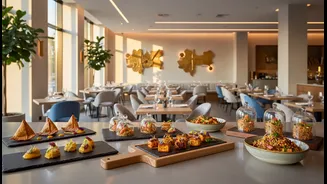
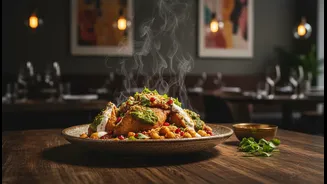
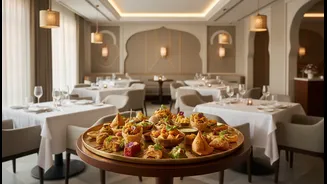


From Packets to Plates
A significant strategic shift is underway as household names in Indian snacks and sweets move into the full-service restaurant business overseas. Leading the charge is Haldiram's, a brand synonymous with everything from bhujia to soan papdi. In June 2026,
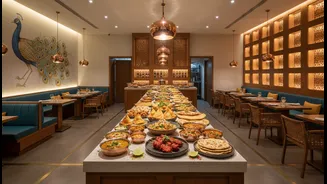
the company launched its first full-service restaurant in the UK, a 120-seat establishment in London's bustling Leicester Square. This is not just an expanded cafe but a premium, casual dining experience designed to attract both the Indian diaspora and a wider international audience. Similarly, Bikanervala, another giant of Indian sweets, has been establishing its presence with outlets in the US, Canada, UAE, and the UK, offering dine-in services that go far beyond their traditional retail counters. This trend signals a broader strategy to scale their restaurant businesses globally, moving beyond the quick-service format.
A Recipe for Brand Building
The move from packaged goods to restaurants is about more than just opening a new revenue stream; it's a sophisticated brand-building exercise. While supermarket shelves provide distribution, a restaurant offers an immersive experience. It allows brands to control the narrative, showcase the breadth of Indian cuisine, and build a deeper connection with customers. By creating a physical, high-quality presence in major global capitals, these companies are elevating the perception of Indian food. For Haldiram's, the London opening is a deliberate move to introduce a wider audience to India's rich culinary diversity, beyond the snacks they are famous for. This evolution from product to experience is a sign of growing confidence, as Indian brands assert themselves on the global stage, exporting not just food but a piece of Indian heritage.
Tasting Success in Global Hubs
The expansion is strategically focused on key international hubs with large diaspora populations and a growing curiosity for authentic global cuisines. Haldiram's, for example, followed its recent London launch with openings in Dubai, tapping into the Middle East's strong demand for Indian food. The response has been overwhelmingly positive, with the London opening drawing long queues of patrons eager for a taste of home. Bikanervala already has a presence in countries including the UAE, USA, Canada, Singapore, and New Zealand. Other companies like Lite Bite Foods are also aggressively expanding in Dubai, Abu Dhabi, Bangkok, and Washington DC. These markets offer not only a welcoming customer base but also potentially higher returns on investment compared to the price-sensitive Indian market.
An Evolving Global Menu
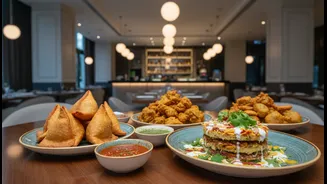
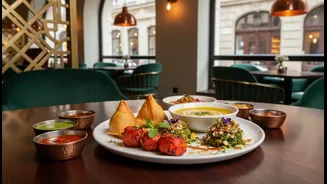
While nostalgia is a key ingredient, these brands are not simply replicating their Indian menus. The goal is to balance authenticity with adaptation to local tastes. The core offerings at Haldiram's London outlet, for instance, feature beloved classics like chole bhature, pav bhaji, and raj kachori. However, the brand is also introducing fusion desserts created specifically for the UK market and incorporating dedicated vegan options to cater to modern dietary preferences. This hybrid approach allows them to serve the diaspora's craving for familiar comfort food while also intriguing a new, non-Indian clientele that may be more accustomed to contemporary dining trends. The restaurants become a showcase for a wide range of regional Indian cuisine, from street food to curries and thalis, proving the brands offer much more than just packaged snacks.
The Challenges on the Table
Expanding a restaurant chain internationally is fraught with challenges that differ greatly from the packaged goods business. High operational costs, complex logistics, and navigating varied food regulations and licensing requirements in each new country are significant hurdles. Finding and training skilled staff, from chefs to service teams, is another major concern, especially when aiming for authentic flavours and consistent quality far from home. Furthermore, the restaurant industry is highly competitive, and maintaining consistency in food and customer experience across multiple global locations is a demanding task. Success requires not just brand recognition but also operational discipline and the ability to adapt to each market's unique business environment.