



Understanding Protein's Building Blocks
Protein is made up of amino acids, which are the fundamental building blocks for muscle tissue. There are nine essential amino acids that our bodies cannot produce on their own, meaning we must get them from food. Animal proteins are 'complete,' containing
all nine in sufficient amounts. Most plant proteins are 'incomplete,' being low in one or more of these essential amino acids. However, this is easily overcome. While the old thinking was that you had to combine proteins at every single meal, modern nutrition science shows that as long as you eat a variety of plant sources throughout the day, your body can pool the amino acids to build complete proteins. Still, focusing on smart, complementary pairings at mealtimes is a powerful strategy to ensure you're consistently fueling muscle synthesis.
The Classic Power Pair: Rice and Dal
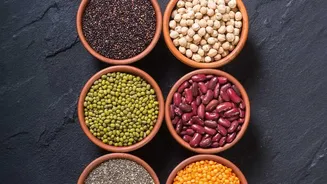
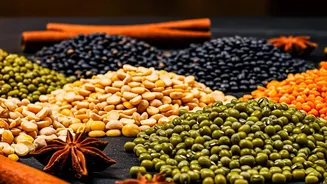
This combination is a staple across India for good reason. Grains like rice are typically low in the essential amino acid lysine, but high in methionine. Pulses, such as lentils (dal), chickpeas (chana), or kidney beans (rajma), are the perfect complement—they are rich in lysine but low in methionine. When eaten together, they create a complete amino acid profile, providing your muscles with all the necessary materials for recovery and growth after a tough workout. A simple bowl of dal with brown rice or rajma chawal isn't just comfort food; it's a highly effective muscle-building meal that's also packed with fibre and complex carbohydrates for sustained energy.
Synergy on Your Plate: Roti and Chickpeas
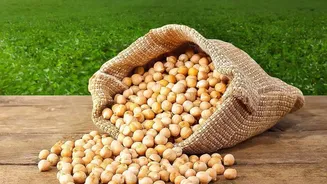
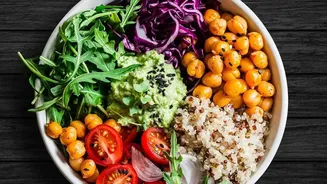
Another classic combination found in Indian cuisine is whole wheat roti (or chapati) served with a chickpea curry, like chana masala. Like rice, wheat is a grain that complements the amino acid profile of legumes like chickpeas. This pairing ensures you get a full spectrum of essential amino acids. For an extra protein boost, consider rotis made from flours that incorporate other grains or pulses. This combination is not only effective for muscle repair but also provides slow-releasing energy, making it an excellent post-workout meal to replenish glycogen stores and kick-start recovery. Hummus, made from chickpeas and sesame seeds (tahini), served with whole-grain pita bread is another fantastic example of this principle in action.
Breakfast of Champions: Oats and Seeds
Your first meal of the day can also be a protein powerhouse. Oats are a fantastic source of complex carbohydrates, but like other grains, they can be optimised with the right partner. While not a traditional grain-pulse pairing, combining oats with seeds like chia or hemp creates a more robust amino acid profile. A more direct synergy is having your oatmeal with soy milk. Soy is one of the few plant-based complete proteins, and adding it to your oats provides a significant protein boost to start your day. Tossing in a handful of nuts or seeds adds healthy fats and even more protein, making your breakfast a comprehensive meal for muscle maintenance and energy.
Beyond the Basics: Quinoa and Beans
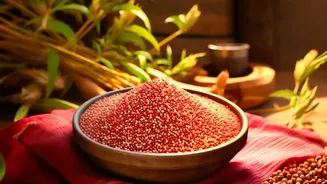
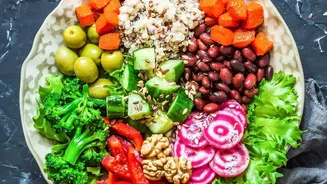
While most grains are incomplete proteins, quinoa is a notable exception, as it contains all nine essential amino acids. This makes it an excellent base for any plant-powered lifter. To amplify its benefits, combine it with pulses. A quinoa and black bean salad, for example, is not only delicious but also delivers a double dose of high-quality protein. This combination is also rich in iron and zinc, two minerals that are crucial for energy and immune function, which can sometimes be lower in plant-based diets. Think of quinoa as a versatile foundation that you can pair with lentils, chickpeas, or any other pulse to create a nutrient-dense meal that fully supports your fitness goals.