







Beyond the Postcard View
We’ve all seen it: a busload of tourists descending on a village, cameras clicking, observing residents as if they were part of a staged performance. This is the heart of the issue—when people and their daily lives become the attraction. This 'tourist
gaze' can lead to the commodification of culture, where sacred rituals or daily customs are packaged and sold for visitor consumption. Communities can begin to feel like living museums, which strains local life and can lead to resentment. The problem isn't the travel itself, but the mindset that views a destination and its people as a backdrop for a vacation, rather than a living, breathing society deserving of respect.
From Consumer to Conscious Guest
The most powerful shift you can make is moving from the role of a consumer to that of a guest. This means understanding that you are entering someone else’s home. A consumer takes; a guest participates and gives back. This starts with research. Learn about local customs, traditions, and a few phrases in the local language before you go. This simple effort shows respect and opens doors for more genuine interactions. This mindset also reframes how you spend your money. Instead of just buying a product, you’re investing in a person, a family, or a community's livelihood. Community-based tourism, where local residents have ownership and control over tourism projects, is a powerful model for this, ensuring benefits stay within the community.
Putting Your Money Where It Matters
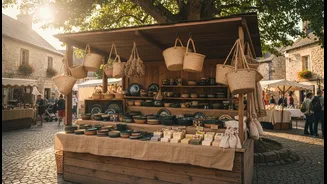
Supporting small businesses is one of the most direct ways to have a positive impact. But it requires being intentional. Skip the multinational hotel chains and fast-food restaurants in favour of locally owned guesthouses, B&Bs, or homestays. Eat at family-run restaurants and cafés to taste authentic local food while directly supporting local families. When shopping for souvenirs, look for artisan markets and cooperatives where you can buy directly from the person who made the item. Pay a fair price and appreciate the skill involved. These actions ensure that your tourism spending flows into the local economy, providing stable employment and encouraging the preservation of traditional crafts and skills.
Hiring Local Expertise
One of the best ways to gain insight into a culture while supporting it is by hiring local guides for tours and activities. A local guide offers more than just navigation; they provide context, share stories, and offer a personal perspective that you’d never find in a guidebook. This turns a simple sightseeing trip into a learning experience. It also creates a respectful interaction. Instead of just observing from a distance, you are engaging in a fair exchange—their knowledge for your patronage. This helps prevent the 'human zoo' dynamic, as the interaction is framed as an educational and collaborative experience. When booking, choose tour companies that are locally owned and employ local guides.
The Mindful Photograph
In the age of social media, the drive to capture the perfect travel photo is strong, but it's also where a lot of harm can be done. Photographing people without their consent is a violation of their privacy and dignity. Always ask for permission before taking someone’s picture, and be prepared to accept 'no' with grace. A smile and pointing to your camera is a universal gesture. Even better, try to interact first. Buy something from a market vendor or share a laugh before asking to take a photo. This builds a connection and transforms the person from a subject into a participant. And when it comes to children, the rule is simple: don't take their photos, even if they seem to be asking for it. Your memories are more important than your feed.