

The Breakfast Table Transformation
Walk down the aisle of any major city supermarket, and you'll notice a change. Alongside the familiar sacks of rice are packets of ragi, jowar, and a host of other millets. This isn't just a niche health trend; it's a mainstream movement. Health-conscious
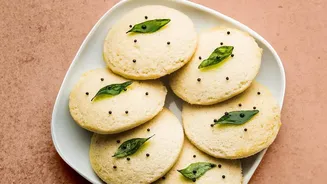
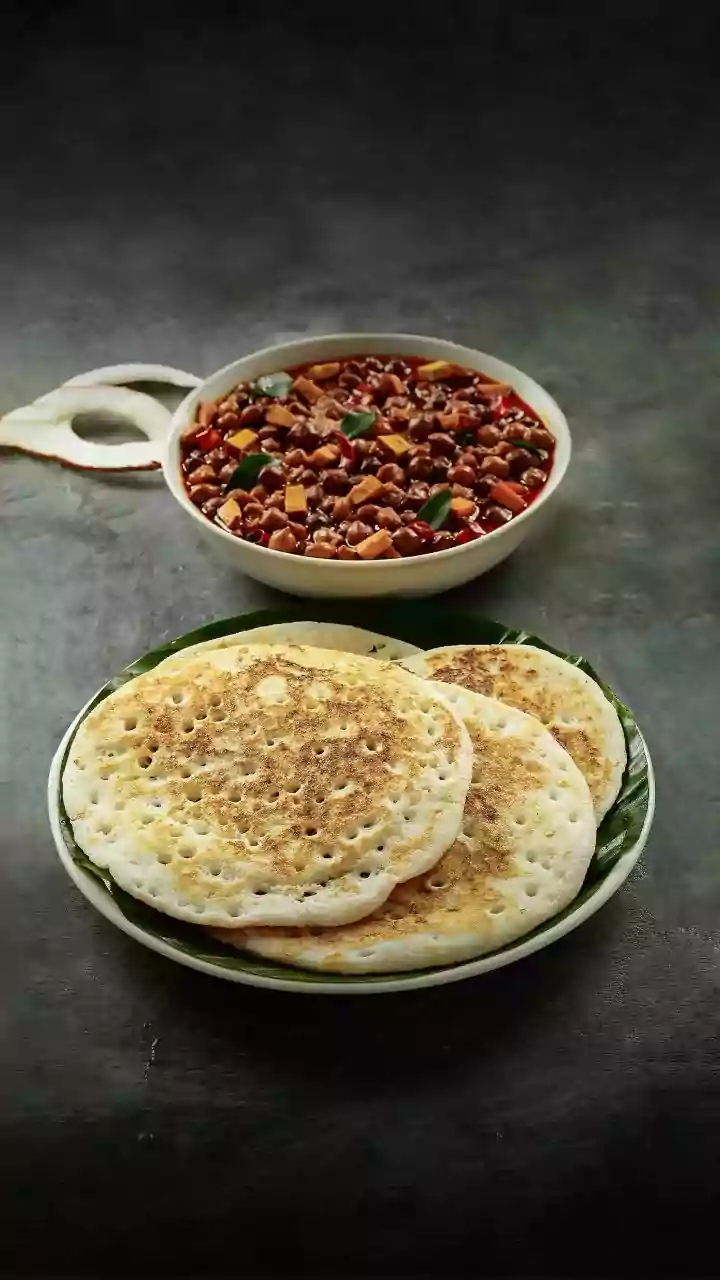
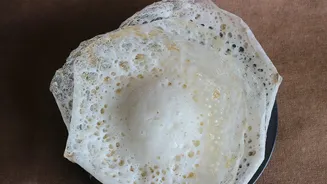
urbanites are increasingly swapping traditional polished rice in their breakfast staples for these robust grains. The result is a new wave of millet-based idlis, appams, and dosas that promise the comfort of the original with a significant nutritional upgrade. This shift is driven by a growing awareness of lifestyle diseases and a collective desire to return to more traditional, wholesome ways of eating. Ready-to-cook mixes and dedicated millet cafes are making it easier than ever for busy city dwellers to embrace this change without sacrificing convenience or flavour.
Not Just Old Grains, But Super Grains
So, why all the fuss about millets? For starters, they are nutritional champions compared to polished white rice. Millets are packed with dietary fibre, which aids digestion, helps in weight management by keeping you fuller for longer, and can help regulate blood sugar levels. They are also a richer source of protein and essential minerals like iron, magnesium, and calcium. Varieties like finger millet (ragi), pearl millet (bajra), and foxtail millet (thinai) each offer a unique nutrient profile. Because many millets have a lower glycemic index than white rice, they release energy slowly, preventing the sharp sugar spikes that can follow a carb-heavy breakfast. This makes them an excellent choice for managing diabetes and for anyone seeking sustained energy throughout the morning.
From Rural Staple to Urban Delicacy
For centuries, millets were a dietary staple across India, especially in arid and rural regions where they were valued for their resilience and nutritional content. They were gradually sidelined by the Green Revolution, which favoured high-yield crops like wheat and rice, and came to be seen by some as 'poor man's food'. However, a perfect storm of factors is bringing them back into the limelight. The UN's declaration of 2023 as the International Year of Millets, championed by India, created significant global and domestic awareness. This, combined with a surge in interest in sustainable, climate-resilient crops and a wellness movement that prioritises nutrient-dense foods, has repositioned millets as a smart, modern choice for the urban consumer.
Taste and Texture: A Modern Makeover
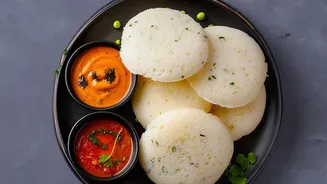
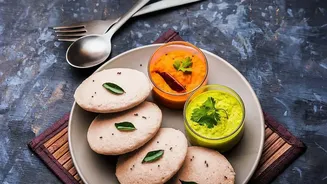
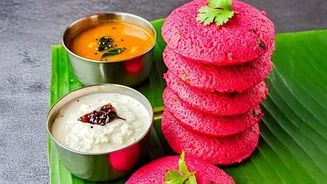
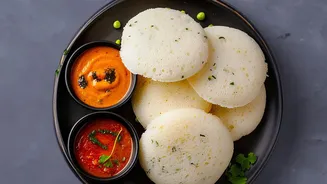
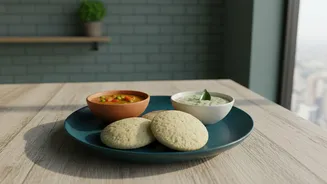
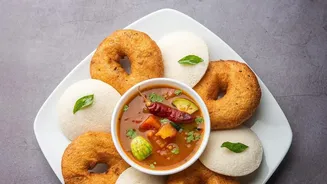
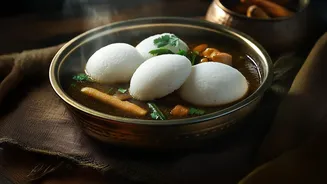
A common hesitation when switching to millets is the fear of compromising on taste and texture. Will a millet idli be as soft and fluffy as its rice-based counterpart? The answer, increasingly, is a resounding yes. Home cooks and food brands have perfected preparation techniques, such as proper soaking and fermentation, to ensure that millet-based batters yield light, airy results. Some recipes use a combination of millets or add a small amount of urad dal, just as in traditional idli, to achieve that perfect spongy texture. The flavour of millet idlis is often described as slightly nutty and more complex than rice idlis, but delightfully so. Far from being a compromise, many find them to be a delicious upgrade, especially when served with flavourful sambar and chutneys.
Making the Switch at Home
Incorporating millets into your breakfast routine is simpler than it sounds. For beginners, a good starting point is to use a 50:50 ratio of millet and rice in your idli or dosa batter, gradually increasing the millet proportion as you get accustomed to the taste. You can also experiment with different types of millets, such as foxtail, little, or kodo millet, as each brings a slightly different texture and flavour. For those short on time, the market is flooded with high-quality instant millet idli and dosa mixes that require minimal preparation. These mixes make it easy to enjoy a healthy, traditional breakfast even on the busiest mornings, proving that nutritious eating doesn't have to be complicated.