




The Burden of the Mystery Box
We often inherit possessions from loved ones that are heavy with unspoken meaning. A dusty trunk, a grandmother's sugar bowl, or a box of old photographs can feel too important to discard, yet without their stories, they become sources of clutter and guilt.
The emotional weight comes from the feeling that we should know why these items were saved. When we don't, the object's sentimental value is replaced by a sense of obligation. Experts note that if we don't handle our own sentimental items, the burden of sorting through them, and the emotional toll it takes, is simply passed on to the next generation. This can create a cycle of inherited clutter where the original meaning is lost, leaving behind only the physical object.
From Clutter to Connection: The Power of Story
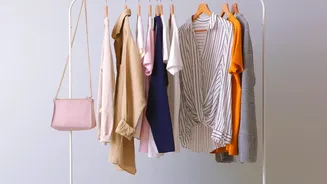
The solution is simpler than you might think: it’s all about context. The true heirloom isn’t the object; it's the story behind it. An old dress hanging in a closet is just an old dress until you learn it was worn by your mother on her first birthday, the same day she comically tried to eat a piece of wax fruit. Suddenly, the object is transformed. It’s no longer just an item taking up space but a tangible link to a cherished memory and a piece of your family's unique history. Sharing stories about special objects helps family members understand their past and appreciate a different side of their relatives. Studies have even shown that children who know more about their family history have higher self-esteem and feel a greater sense of well-being. These narratives become a core part of a family's legacy.
How to Share the Context Effectively
Making stories a part of your sentimental items doesn't have to be complicated. The goal is to connect the narrative to the object in a way that can be easily passed down. One of the simplest methods is to attach a small, acid-free card to the item with a brief note explaining its significance. For more detailed histories, you can create a dedicated story inventory. This could be a physical journal where you write down the story behind each item, perhaps accompanied by a photograph. In our digital age, you could also record a short video or audio clip of a family member telling the story and link it to a QR code that you stick on the item or its storage box. This not only preserves the facts but also the voice and personality of the storyteller, adding another layer of connection.
Making Storytelling a Family Activity
Instead of waiting until you’re sorting through an estate, make storytelling a proactive and enjoyable family tradition. You could dedicate time during family gatherings to have each person share the story of one meaningful object they own. This creates a natural opportunity to pass on oral histories. For older relatives, this can be a powerful way to reminisce and feel connected, while for younger generations, it makes family history engaging and personal. These sessions can be recorded to create a living archive. Heirlooms provide a natural opening for telling stories about your life and give insight into how ancestors lived and what they valued. As these objects are passed from one person to another, so too are the stories that give them their true worth.
What If the Next Generation Isn't Interested?
It's a common concern: what if your children or grandchildren don't seem to care about these old stories or objects? Don't be discouraged. Interest in family history often develops later in life. The most important thing you can do is preserve the context anyway. Document the stories in a journal or digital format and store them with the items. By doing so, you ensure the meaning isn't lost forever. You are creating a gift that they may not fully appreciate until they are older. When that time comes, they will have access to a rich history that would have otherwise vanished, allowing them to connect with their heritage in their own time and on their own terms.