








The Allure vs. The Reality
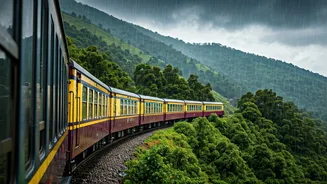
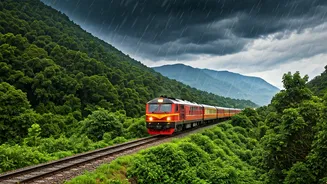
Driving through the mountains during the monsoon is a sensory overload in the best way. The parched summer landscape transforms into a carpet of lush green, and the air smells of wet earth. Waterfalls, some temporary and others magnificent, cascade down
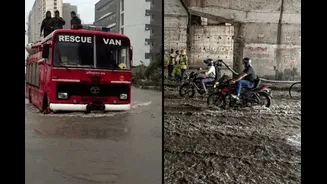
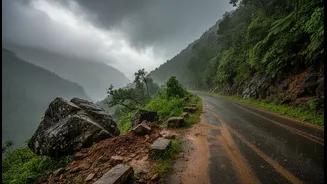
hillsides. This is the romance of the monsoon road trip. However, the reality is that this beauty comes with significant risk. The same rains that bring the hills to life also saturate the soil, making steep slopes unstable. About 15% of India's landmass, especially in the Himalayas, Western Ghats, and Northeast, is prone to landslides, turning dream drives into potential nightmares. Recent incidents in states like Kerala, Maharashtra, and Himachal Pradesh serve as a stark reminder, with heavy rains triggering slides that block major highways and strand tourists.
Know Your High-Risk Zones
While the allure is universal, the risk is not uniform. Certain regions are perennial hotspots for landslide activity during the monsoon. The Himalayan states, including Himachal Pradesh and Uttarakhand, are particularly vulnerable due to their fragile geology and steep terrain. Recent warnings from the India Meteorological Department (IMD) have highlighted districts like Shimla, Kangra, and Mandi in Himachal. Similarly, the Western Ghats, running through Maharashtra, Karnataka, and Kerala, see significant landslide events. Areas around Pune, Lonavla, and Wayanad have recently experienced road blockages and alerts due to intense rainfall. Unscientific hill cutting for infrastructure projects and deforestation have exacerbated these risks in many sensitive areas. Before planning your trip, it is crucial to identify whether your route passes through these historically vulnerable zones.
Preparation Is Your Best Defence
Spontaneity is great, but not during monsoon in the mountains. Meticulous planning is key to safety. Start by monitoring weather forecasts from credible sources like the IMD, which now issues detailed, location-specific warnings. The National Disaster Management Authority (NDMA) also provides guidelines and updates. Always check with local authorities or traffic police for real-time information on road conditions before you start and along the way. Avoid travelling at night when visibility is poor and it's harder to spot warning signs. It is also wise to steer clear of shortcuts suggested by navigation apps, as these can lead to poorly maintained or dangerous roads. Inform a friend or family member of your detailed itinerary and have a backup plan, including alternate routes or identified safe places to wait out a storm.
Pack a Landslide Safety Kit
Your vehicle should be equipped for more than just a scenic drive. A well-stocked emergency kit can make a significant difference if you get stranded. Ensure your car is serviced, with special attention to brakes, tyres, and wipers. Your kit should contain non-perishable food items, extra drinking water, a comprehensive first-aid box, and fully charged power banks for your phones. Also include a powerful torch, a rope, and even a small shovel. In case you are stuck for an extended period, having essentials on hand reduces stress and keeps you safe until help arrives. Always keep your fuel tank topped up, as long traffic jams caused by blockages are common.
On-The-Road Red Flags
Being an alert driver is more than just watching for traffic. When driving in landslide-prone areas, you need to read the environment. Be wary of new cracks appearing on road surfaces, or leaning trees and electricity poles. Listen for unusual rumbling sounds, which could indicate shifting debris. A sudden increase or decrease in water flow in streams, or a change in water from clear to muddy, is another major warning sign of upstream slope failure. If you spot any of these red flags, do not proceed. The safest course of action is to turn back or find a stable, open area to wait.