






What Exactly Is Balance?
Balance is more than just not falling over; it’s a complex and dynamic process. Your body maintains its equilibrium through a constant conversation between three main sensory systems. Your eyes provide visual cues about your position relative to your surroundings.
The vestibular system in your inner ear detects motion and changes in head position. Finally, and perhaps most importantly, is proprioception—often called your body's “sixth sense.” This is your ability to sense your body's position and movement in space, thanks to receptors in your muscles, joints, and skin that send feedback to your brain. Together, these systems allow you to walk without stumbling or stand steady without even thinking about it.
Why It Matters Beyond Fall Prevention
While preventing falls is a major benefit, especially for older adults, the advantages of good balance ripple through every aspect of physical life. Strong balance contributes to better posture, which can reduce strain on your back and joints. It builds core strength and muscle coordination, making movements more efficient and reducing the risk of injuries like ankle sprains. For athletes, enhanced balance leads to greater agility and precision. For everyone else, it translates to a greater sense of security and independence in daily activities. When your body feels stable and in control, it fosters a sense of confidence that encourages you to stay active and engaged with the world.
Regaining Confidence in Daily Life
Think about the small movements you make every day. Getting up from a chair without using your hands, carrying a heavy laundry basket, walking across a grassy park, or stepping off a curb all require subtle, automatic adjustments. When balance declines, these simple tasks can start to feel daunting. Balance training helps retrain your body's ability to react quickly and accurately to these small challenges. The result is not just improved physical stability but also a significant boost in mental confidence. This allows you to perform daily tasks with greater ease and without the background fear of a potential trip or fall, enhancing your overall quality of life.
Simple Exercises to Start Today
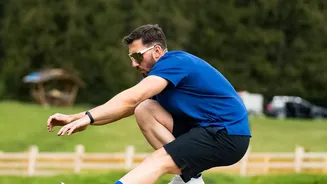
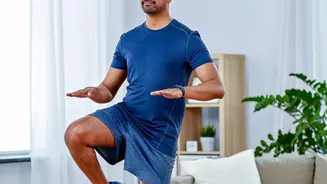
You don't need special equipment or a gym to start improving your balance. These simple exercises can be done safely at home. For safety, stand near a wall or a sturdy chair for support if you feel unsteady. 1. Single-Leg Stand: Stand with your feet hip-width apart. Shift your weight to your right foot and lift your left foot off the floor. Try to hold it for up to 30 seconds without wobbling. Repeat on the other side. You can make this part of your routine while brushing your teeth or waiting for water to boil. 2. Heel-to-Toe Walk: Walk in a straight line, placing the heel of one foot directly in front of the toes of the other, as if on a tightrope. Look forward, not down. Take 15-20 steps. 3. Sideways Walking: Stand with your feet together and knees slightly bent. Take a slow, controlled step to the side with one foot, then bring the other foot to meet it. Take 10 steps in one direction, then 10 back.
Making Balance Part of Your Routine
The key to improving balance is consistency. Like any form of exercise, the benefits accumulate over time. The good news is that balance training can be easily integrated into your existing lifestyle. Beyond dedicated exercises, activities like yoga, tai chi, and dancing are excellent for challenging and improving your stability in a fun, engaging way. Even small actions, like standing up from your desk without pushing off with your hands or trying to stand on one leg for a few seconds while waiting in line, contribute to strengthening the neural pathways that keep you steady. By making these small, consistent efforts, you actively work to maintain your mobility and confidence for years to come.