


The Problem with Our Earth-Bound Engine
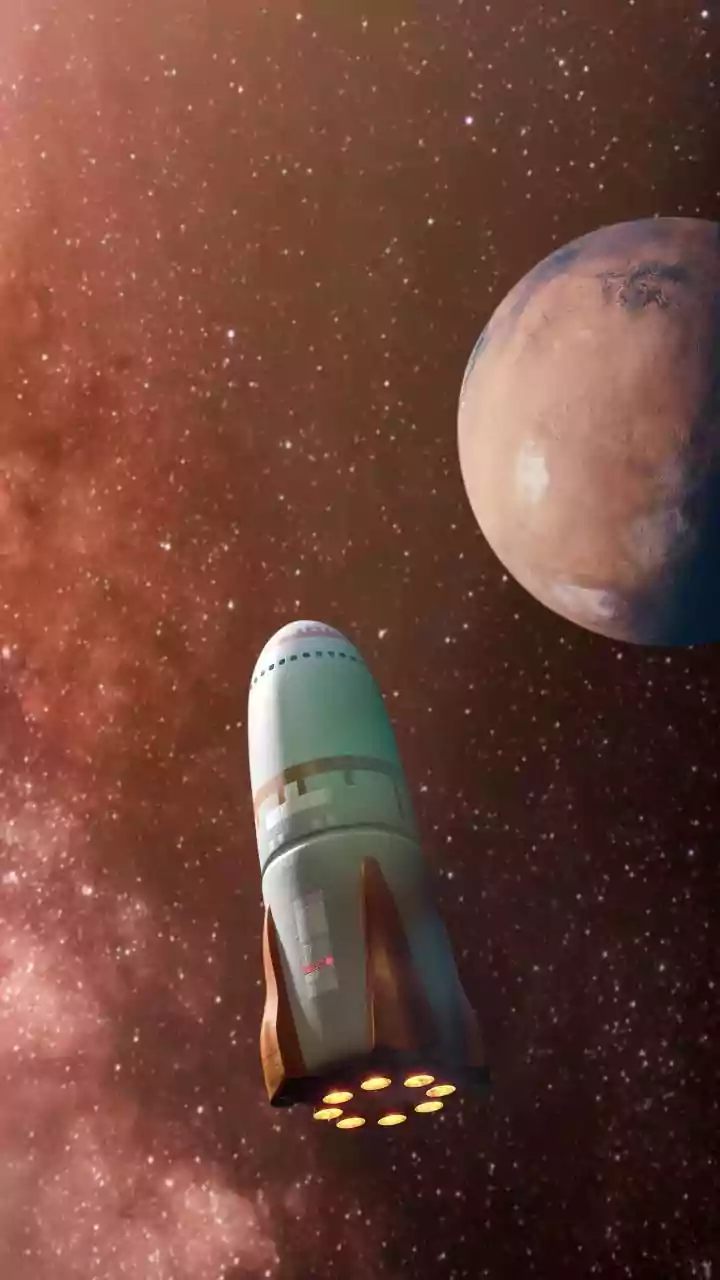
The human body is a marvel of evolutionary engineering, perfectly tuned for life on Earth. But take it beyond our planet's protective magnetic field and gravity, and our finely-tuned systems begin to falter. A trip to Mars, which could take up to three
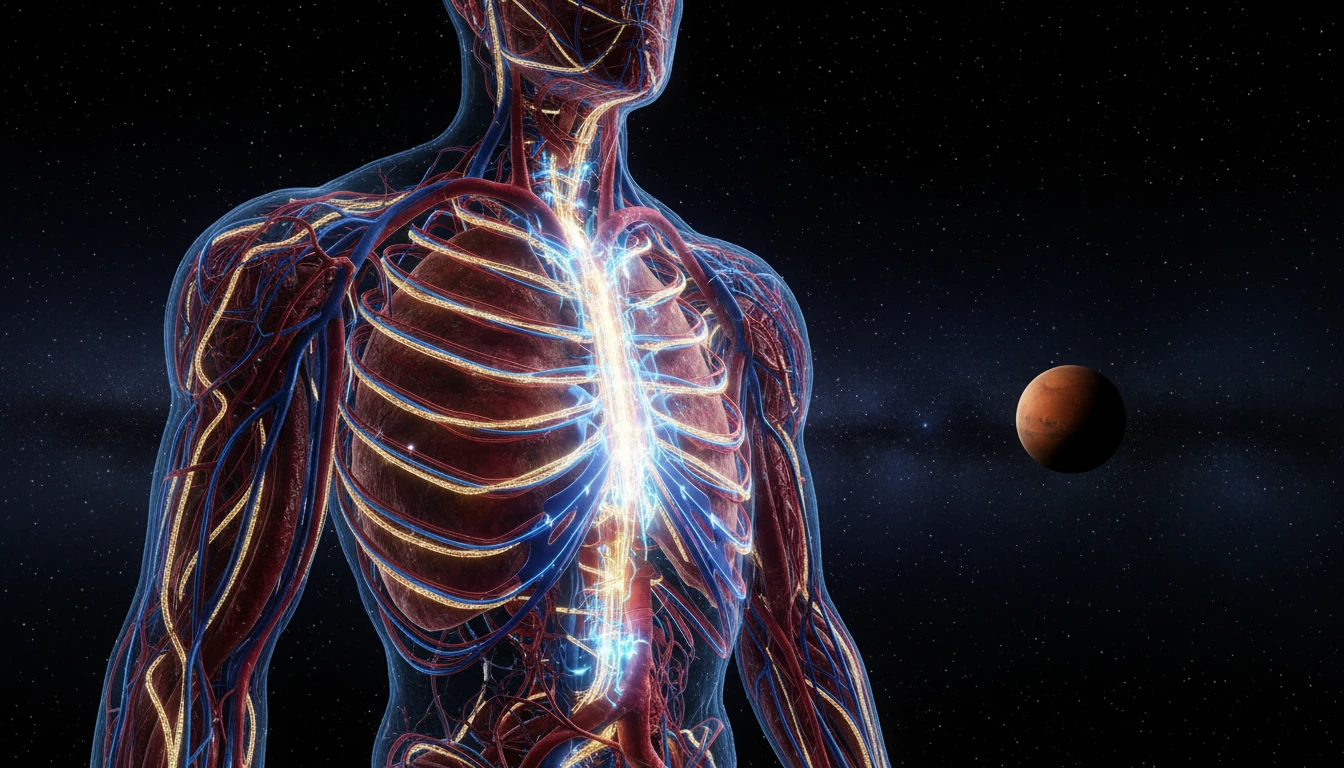
years for a round trip, exposes astronauts to a brutal combination of challenges: intense radiation, microgravity, and profound isolation. This environment wreaks havoc on the body, causing muscle atrophy, bone density loss at rates of up to 1.5% per month, cardiovascular deconditioning, and disruptions to metabolism and immune function. The radiation exposure alone is over 700 times what we experience on Earth, dramatically increasing the risk of cancer and degenerative diseases by damaging our DNA. In essence, our bodies are high-performance engines designed for a very specific type of fuel and operating conditions, and deep space is a hostile environment for which we have no natural defense.
What Is Energy Resilience?
This is where the concept of 'energy resilience' comes in. In engineering, resilience refers to a system's ability to withstand and recover from severe disruptions. In human biology, it's about making our own metabolic systems more robust. Our cells are in a constant state of energy production and consumption. Long-duration spaceflight puts this system under immense stress, leading to problems like insulin resistance and accelerated aging in vital organs like the liver. Building energy resilience means finding a way to help the body conserve resources, protect itself from damage, and endure long periods of inactivity without breaking down. The fundamental challenge is that our metabolism is designed for a life of constant activity and resource intake, not for a long, dormant journey through the void.
The Hibernation Solution
One of the most promising, if science-fiction-like, solutions being explored by space agencies like NASA and the European Space Agency is induced hibernation, or torpor. This isn't about freezing people solid, which would be fatal. Instead, it involves putting astronauts into a state of deep sleep by lowering their core body temperature and metabolic rate. Research on animals that naturally hibernate, such as Arctic ground squirrels and bears, shows that this state provides remarkable protection. During hibernation, animals avoid the muscle and bone loss that plagues astronauts, and their bodies exhibit powerful DNA repair mechanisms that protect them from radiation damage. Inducing a similar state in humans would not only protect them from the physical toll of space but would also significantly reduce the need for food, water, and even living space, making the mission more efficient and feasible.
A Long Way From Science Fiction
While the idea is compelling, inducing safe and reversible hibernation in humans is an immense scientific challenge. Humans don't naturally hibernate, so researchers are trying to understand the genetic and molecular triggers that allow other mammals to enter torpor. Early forms of this concept are already used in medicine. Known as 'therapeutic hypothermia', doctors can cool trauma patients to slow metabolic processes and protect the brain and other organs from a lack of oxygen. This technique can preserve the body for a few hours, but extending that to weeks or months for space travel is another matter entirely. Scientists are exploring various methods to trigger this state, from pharmacological agents to targeted brain stimulation, but a reliable method for long-duration human torpor is likely still decades away.