

A Crowded Cosmic Neighborhood
The primary reason for the constant upgrades is the sheer scale of the task. Scientists have identified over 30,000 Near-Earth Objects (NEOs), which are asteroids and comets that come relatively close to our planet's orbit. However, this is just a fraction
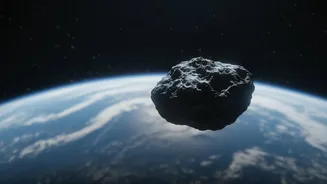
of the total population. A 2005 US Congressional mandate tasked NASA with finding 90 percent of all NEOs larger than 140 metres in diameter—a size capable of causing significant regional devastation. As of today, it is estimated that only about 40% of these mid-sized objects have actually been identified. The smaller the asteroid, the more numerous they are, and the harder they are to find. An asteroid the size of a car enters our atmosphere about once a year, burning up harmlessly, but a stadium-sized one strikes every couple of thousand years with major consequences. Finding them all requires a systematic, and ever-improving, sweep of the sky.
The Challenge of Seeing Small and Dark Objects
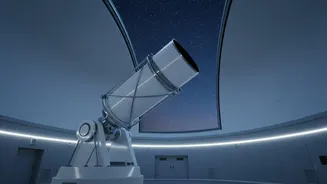
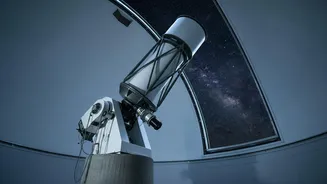
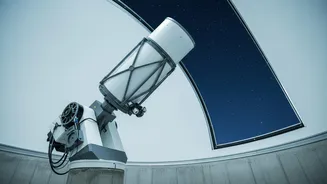
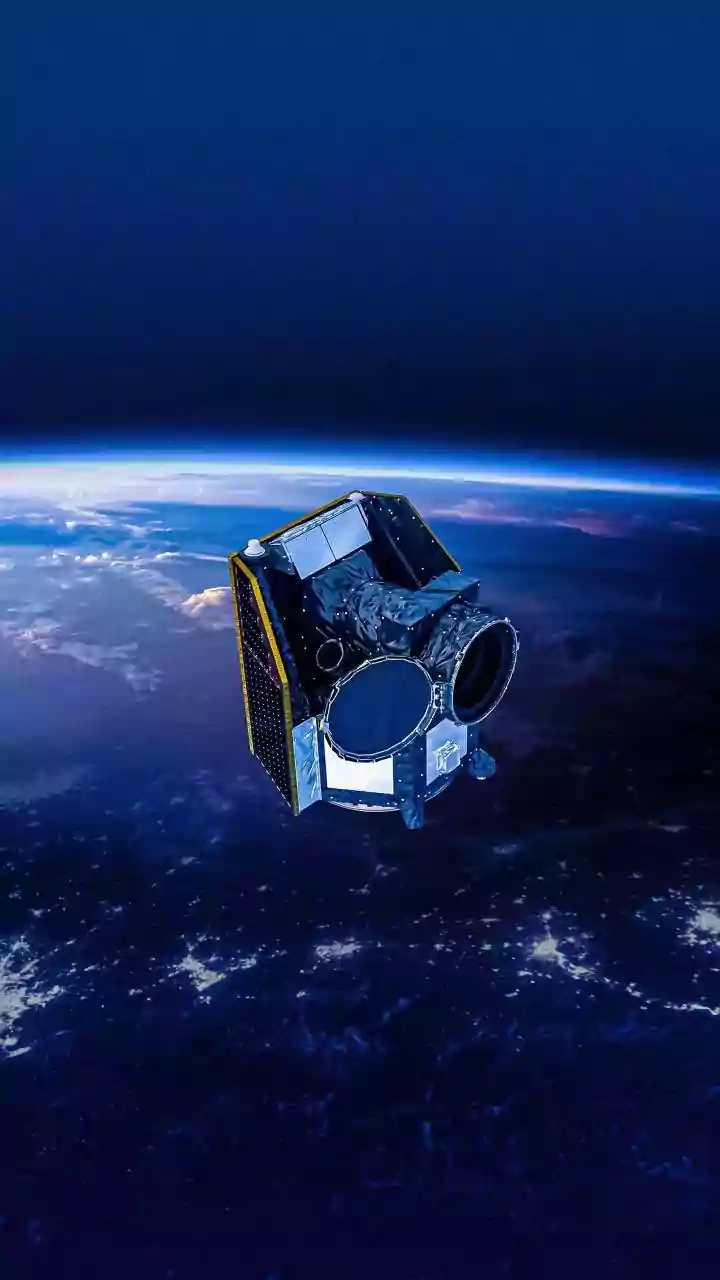
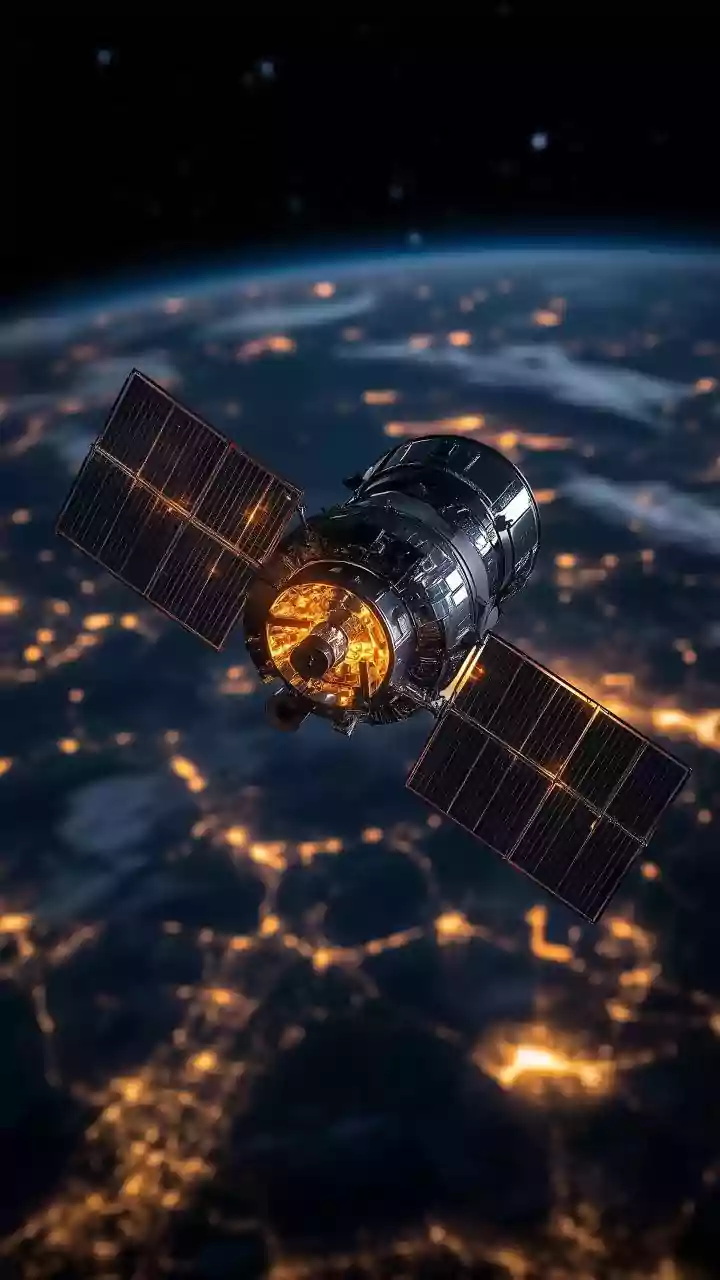
Existing telescopes are good at spotting large, kilometre-wide 'planet-killer' asteroids, and over 90% of those have been found. The more pressing threat now comes from smaller, 'city-killer' asteroids (from 50 to 140 metres) that are much more common and far more difficult to see. These objects are often as dark as charcoal, reflecting very little sunlight, which makes them faint targets for ground-based optical telescopes. Furthermore, many of these asteroids approach from the direction of the Sun, where they are lost in the glare, rendering them invisible to telescopes that operate at night. This is a significant blind spot. Upgrading our capabilities means developing new technologies, like space-based infrared telescopes, that can overcome these limitations. Infrared sensors can detect the heat an asteroid radiates, making them visible even if they are dark or approaching from the Sun's direction.
The Need for Speed and Precision
Finding an asteroid is only the first step. To determine if it’s a threat, scientists need to calculate its orbit with extreme precision. This requires multiple observations over time. The sooner a potentially hazardous object is detected, the more time we have to react. Small nudges to an asteroid's trajectory, when applied years or even decades in advance, can add up to a big change, ensuring it misses Earth entirely. NASA's successful DART (Double Asteroid Redirection Test) mission in 2022 proved that deflecting an asteroid with a kinetic impactor is a viable strategy. The mission intentionally crashed a spacecraft into the asteroid moonlet Dimorphos, successfully altering its orbit. But for such a mission to work, we need years of warning, which demands faster detection and more rapid, accurate tracking than ever before.
A New Generation of Sky Sentinels
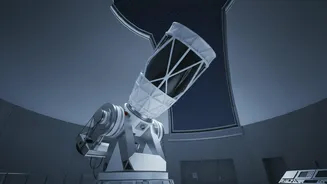
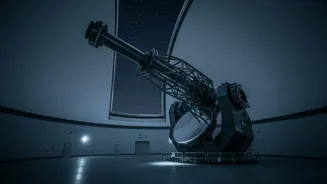
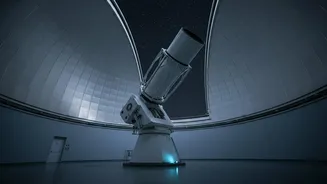
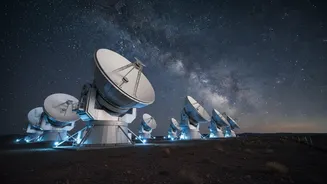
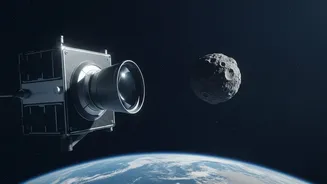
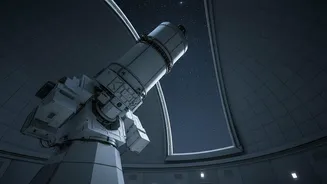
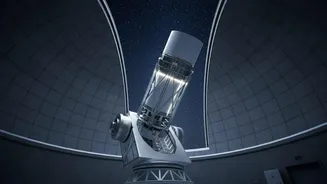
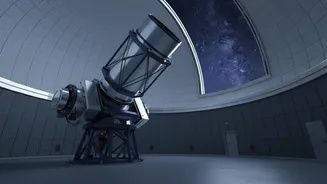
To meet these challenges, a new generation of powerful observatories is coming online. The Vera C. Rubin Observatory, located in Chile, will survey the entire southern sky every few nights with its enormous 3200-megapixel camera. It is expected to discover millions of new asteroids and significantly increase the catalogue of potentially hazardous ones. In early tests alone, it has already revealed thousands of new asteroids. Another game-changer is NASA's upcoming NEO Surveyor, a space telescope specifically designed for planetary defense. Scheduled for launch no earlier than September 2027, it will orbit at a point between the Earth and the Sun, using heat-sensing infrared detectors to find the asteroids that ground-based telescopes often miss. Together, these and other upgraded systems, often enhanced with artificial intelligence algorithms to process massive amounts of data, represent a quantum leap in our ability to map our cosmic environment.