








It’s a Loan, Not Free Money
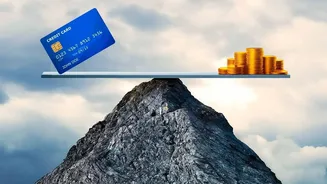
The single most important thing to understand is that a credit card is a form of revolving loan, not an extension of your salary. Every time you make a purchase, you are borrowing money from the bank. The bank gives you a credit limit, which is the maximum
amount you can borrow. While it offers the convenience of buying now and paying later, the money is not yours. This mindset shift is the first step towards responsible usage. Thinking of it as a loan keeps your spending in check and helps you avoid the trap of living beyond your means.
The Power of Your CIBIL Score
Your CIBIL score is a three-digit number between 300 and 900 that represents your creditworthiness. Lenders look at this score to decide if you are a reliable borrower for future loans, like a home or car loan. A score of 750 or above is generally considered excellent and can get you better terms and lower interest rates. How you use your first credit card has a huge impact on this score. Paying your bills on time and in full is the most effective way to build a strong credit history. Conversely, missing payments can significantly lower your score, making it harder to get loans in the future.
Decoding the Billing Cycle and Due Date
Understanding your card's billing cycle is key to avoiding interest charges. A billing cycle is the period (usually 28-31 days) during which your transactions are recorded. At the end of this cycle, a statement is generated. You then get a grace period of about 15-25 days to pay the bill. The last day of this grace period is your payment due date. If you pay the entire outstanding balance by this date, you pay no interest on your purchases. This interest-free period is one of the biggest advantages of a credit card when used correctly.
The Trap of the ‘Minimum Amount Due’
Your statement will show a 'Total Amount Due' and a 'Minimum Amount Due'. It can be tempting to just pay the minimum, but this is a costly mistake. When you only pay the minimum, interest is charged on the remaining balance. Credit card interest rates in India are very high, often ranging from 30% to over 42% annually. This can quickly lead to a spiral of debt that is difficult to escape. Always aim to pay the total amount due each month to avoid these hefty interest charges.
Watch Out for Hidden Fees and Charges
Beyond interest, credit cards come with various fees. Common ones include an annual fee for using the card, a late payment fee if you miss the due date, and an over-limit fee if you spend beyond your credit limit. Using your card to withdraw cash from an ATM incurs a cash advance fee and, importantly, interest starts accruing immediately without any grace period. Also, for international transactions, a foreign transaction fee (forex markup) of around 1.5% to 3.5% is usually charged. Reading the card's terms and conditions carefully before you apply is essential to avoid surprises.
Choosing Your First Card Wisely
Don't be swayed by premium cards with fancy perks you won't use. As a beginner, look for a card with no or low annual fees. Many banks offer 'lifetime free' cards that are perfect for first-time users. Analyse your spending habits. If you spend a lot on online shopping, a card co-branded with an e-commerce site like Amazon or Flipkart might be beneficial. If you commute by car, a fuel card could be a better fit. Starting with a basic, entry-level card helps you learn the ropes without the pressure of high fees. For those with no credit history, a secured card against a fixed deposit can be an excellent starting point.