
Why Monsoon is a Minefield for Pet Health
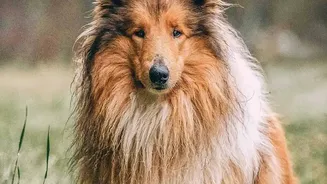
The combination of high humidity and constant moisture creates a perfect breeding ground for bacteria, fungi, and parasites. A pet's coat, especially if it's thick or double-layered, can trap moisture against the skin for hours, even if it feels dry on the surface.
This warm, damp micro-environment is where problems begin. Vets across India report a significant spike in skin infections (pyoderma), fungal issues like ringworm and yeast dermatitis, and ear infections (otitis externa) every year between June and September. Constant dampness can lead to everything from itchy hotspots to painful paw infections.
The Non-Negotiable Post-Walk Routine
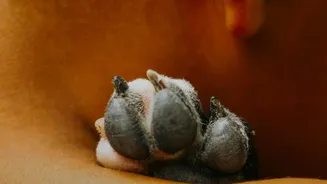
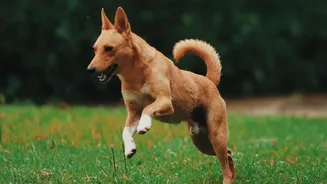
Every single walk during the monsoon should end with a dedicated cleaning and drying routine. Paws are the first point of contact with muddy, potentially contaminated water. It's crucial to wash your pet's paws with lukewarm water after every outing. Pay special attention to the area between the toes, where moisture and grime love to hide. After washing, the next step is non-negotiable: thorough drying. Use a highly absorbent microfibre towel and, for long-haired breeds, consider a blow-dryer on a low-heat setting to ensure the undercoat is completely dry. Leaving fur damp is an open invitation for fungal growth.
Protecting Paws and Ears
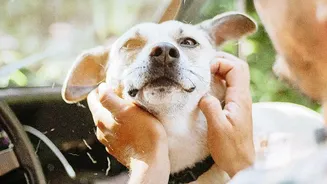
A pet's paws and ears are particularly vulnerable during the rains. The constant exposure to wet ground can lead to painful interdigital infections. Some pet parents opt for waterproof booties to minimise contact with dirty water. Ear infections are one of the most common monsoon ailments, especially for breeds with floppy ears like Labradors and Beagles. The L-shaped ear canal traps moisture, creating the perfect conditions for yeast and bacteria to flourish. Gently wipe the visible part of the ear with a dry cloth after walks and ask your vet about a suitable cleaning solution to help keep the canal dry.
Grooming and Bathing Adjustments
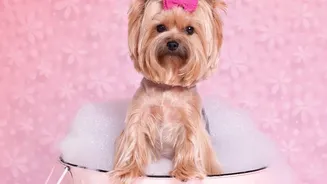
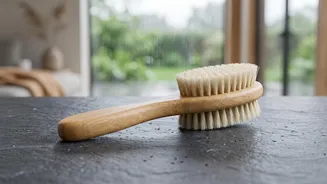
While it might seem logical to bathe your pet more often, frequent bathing can strip the skin of its natural oils, making it more vulnerable to infections. Instead, focus on daily brushing to remove dirt, detangle fur, and improve air circulation to the skin. When a bath is necessary, use a mild, vet-recommended shampoo, and ensure your pet is dried completely. For minor messes, pet-specific wipes or a damp cloth are often a better alternative to a full bath. Keeping fur trimmed shorter during these months can also help it dry faster.
Beyond the Skin: Other Monsoon Risks
The dangers aren't just skin deep. Stagnant water in puddles and waterlogged streets can harbour dangerous pathogens. Leptospirosis, a serious bacterial infection spread through the urine of infected animals (commonly rats), thrives in these conditions and can be transmitted to both dogs and humans. It's vital to prevent your dog from drinking from or walking through puddles. The monsoon is also a peak season for ticks and fleas, which flourish in the humid weather, so ensure your pet's parasite prevention is up to date. Lastly, keep food and water bowls clean, as high humidity can cause food to spoil and water to grow bacteria faster.
Creating a Safe Indoor Haven
Since your pet will likely spend more time indoors, ensuring their environment is clean and dry is important. Wash their bedding frequently to prevent moisture buildup and the growth of mould. Keep the house well-ventilated or use a dehumidifier to manage indoor humidity levels. With shorter walks, keep your pet mentally stimulated with indoor games, puzzle feeders, and training sessions to burn off pent-up energy.