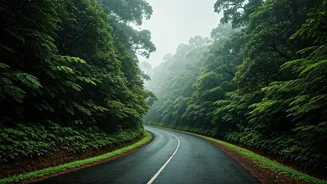








The New Commute: A Morning Trek
The 9-to-5 routine has been fundamentally rewritten. For a growing cohort of remote workers, the morning alarm is no longer a signal to battle traffic but a call to catch the sunrise over a valley. This is the new reality for software developers, graphic
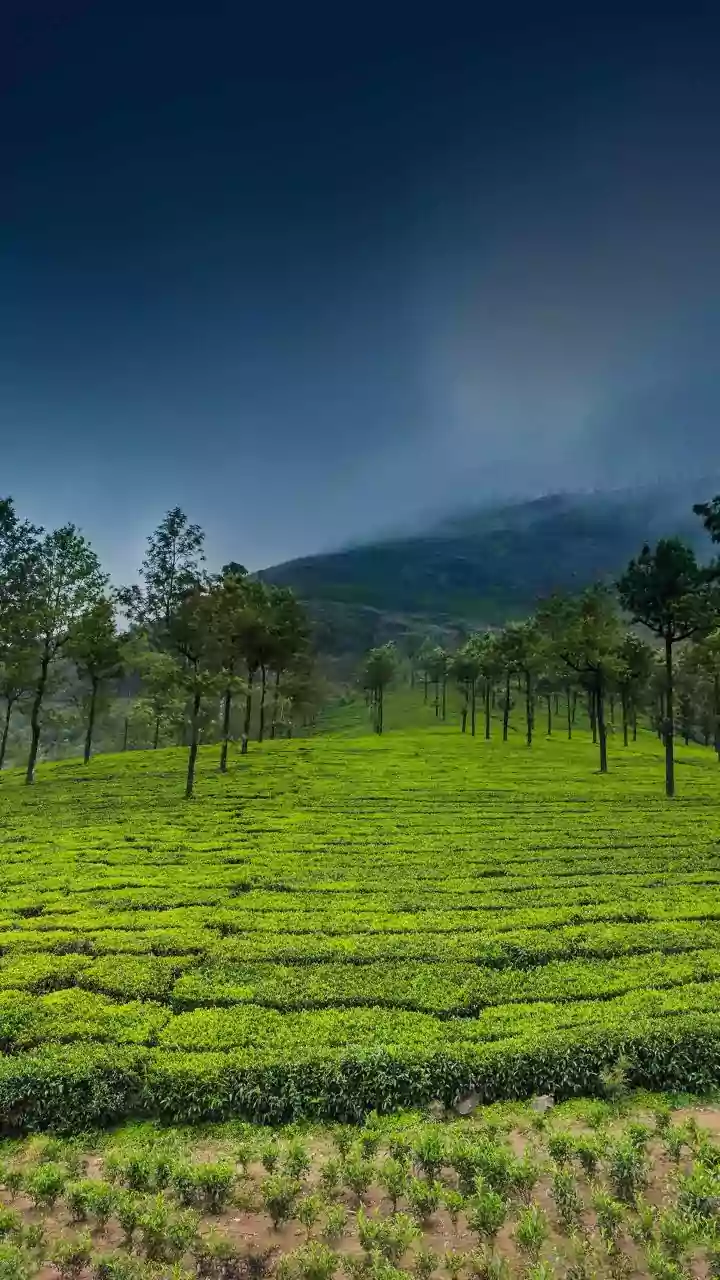
designers, writers, and marketers who have traded expensive city apartments for the flexible, community-driven life of a 'workation' hostel. They aren't on a short holiday; they are living and working from scenic southern hill stations like Ooty, Munnar, Vattakanal, and Wayanad for weeks or even months at a time. This shift represents a deeper search for work-life integration, where the boundary between a productive day at work and a restorative evening in nature simply dissolves.
More Than Just a Cheaper Rent
On the surface, the financial math is compelling. The monthly cost of a long-stay package at a well-equipped hostel in a place like Kodaikanal can be significantly lower than the rent for a 1BHK in Bengaluru or Chennai, especially when factoring in utilities, maintenance, and commuting costs. Many hostels now offer monthly packages that include accommodation, Wi-Fi, and sometimes even meals, creating a predictable, all-in budget that appeals to young professionals. However, interviews and social media testimonials reveal the motivation runs deeper than just savings. The primary driver is a flight from urban burnout and the profound isolation that often accompanies working from home in a cramped city flat. The promise of fresh air, open spaces, and a slower pace of life is proving irresistible.
Hostels Evolve into Co-working Hubs
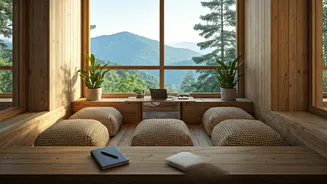
Recognising this lucrative new demographic, hostel chains and independent owners have pivoted their offerings. The quintessential backpacker's den is transforming into a hybrid space that caters to the 'digital nomad'. Reliable, high-speed Wi-Fi is now a non-negotiable amenity. Dorm rooms are still available, but private rooms are in high demand. More importantly, common areas are being redesigned as de facto co-working spaces, with comfortable seating, ample charging points, and a quiet, productive atmosphere during work hours. Brands like Zostel, goSTOPS, and The Hosteller have been at the forefront, creating dedicated 'workation' packages and curating their spaces to feel less like a party hub and more like a collaborative community campus nestled in the mountains.
Curing the Loneliness Epidemic
Perhaps the most significant benefit of hostel hopping for remote workers is the built-in community. The pandemic-induced shift to remote work, while offering flexibility, also triggered what many have called a 'loneliness epidemic'. The spontaneous 'water cooler' conversations and team lunches that build workplace camaraderie vanished. Hostels organically solve this problem. After a day of focused work, professionals can join a group for a trek, share a meal with people from diverse industries, or simply unwind over a board game. This environment fosters networking, friendship, and a sense of belonging that is often missing when you're just a face on a video call. It's the social fabric of an office, reimagined without the office itself.
The Challenges in Paradise
Of course, this lifestyle is not without its hurdles. The biggest variable remains internet connectivity. While major hostels in popular towns offer robust connections, venturing off the beaten path can mean dealing with patchy signals that make video calls a gamble. Productivity also requires a strong dose of self-discipline. The temptation to turn every day into a holiday is real, and maintaining a professional routine amidst a transient, social environment can be challenging. Furthermore, the lack of privacy and personal space in a shared setting isn't for everyone. After a few months, the charm of community living can wear thin for those who crave solitude and a space to truly call their own.